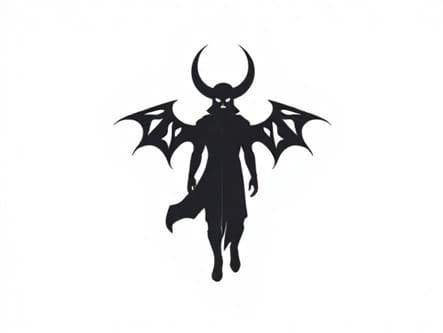
In literature and philosophy, the tension between diabolic intellect and the noble hero reflects a deep and complex examination of human nature. The concept of the diabolic intellect refers to a kind of sharp, rational intelligence that operates without moral constraints logical, cunning, and often destructive. On the other side stands the noble hero, a character driven by ideals, virtue, and an unwavering sense of justice or duty. The interplay between these two archetypes raises essential questions about whether pure intellect, divorced from morality, can serve society or whether it undermines it entirely.
Understanding the Diabolic Intellect
The term diabolic intellect suggests an intelligence that is, at its core, calculating and amoral. This mind operates with surgical precision, often ignoring emotional complexity or ethical consequence. In literature, such intellect is frequently found in antagonists who manipulate, deceive, and exploit. These figures are not evil in the traditional, chaotic sense they are often coldly rational and frighteningly effective.
Examples of Diabolic Intellect
- Iagofrom Shakespeare’sOthello a classic figure who uses cunning strategy to orchestrate tragedy.
- Professor Moriartyfrom the Sherlock Holmes stories a mastermind whose brilliance is matched only by his villainy.
- Tom RipleyfromThe Talented Mr. Ripley a chilling example of charm and intellect devoid of remorse.
These characters often emerge in narratives where intelligence becomes a weapon. They represent the danger of intellect that serves no higher cause, that seeks power, revenge, or self-interest at the expense of others.
Who Is the Noble Hero?
The noble hero is a figure rooted in morality, integrity, and sacrifice. This character may not be as intellectually brilliant as the diabolic counterpart, but they possess a clarity of conscience and a sense of duty that guides their actions. The noble hero represents the ideal of humanity’s potential for good, even in the face of manipulative intellect.
Traits of the Noble Hero
- Strong ethical compass
- Bravery in the face of danger or deceit
- A commitment to truth and justice
- Willingness to sacrifice personal gain for others
These qualities allow the noble hero to stand firm when confronted by forces of manipulation or corruption. The noble hero may suffer or fall, but their actions resonate with readers as honorable and inspiring.
Conflict Between the Two Forces
The literary tension between the diabolic intellect and the noble hero often forms the backbone of classic tragedies, thrillers, and moral dramas. It pits two forces against each other one rooted in reason without conscience, the other grounded in conscience even when reason may suggest defeat.
Classic Narrative Patterns
- The noble hero uncovers the schemes of the diabolic intellect.
- The intellect initially triumphs through manipulation.
- The hero’s virtue ultimately exposes or overcomes the villain, though often at great personal cost.
This conflict can serve as a reflection of real-world dilemmas where ethical individuals must navigate systems dominated by logic devoid of empathy, such as in politics, business, or war. The balance or lack thereof between intellect and morality is a theme with timeless relevance.
Why Diabolic Intellect is Seductive
Many readers find the diabolic intellect fascinating, even attractive, because of its mastery and clarity. These characters understand the system they inhabit and manipulate it flawlessly. They reveal uncomfortable truths that the world often rewards cunning over kindness, strategy over sincerity.
But this fascination is tempered by a deeper recognition. While intellect alone may achieve control or success, it leaves behind a moral void. The damage caused by such figures broken lives, lost innocence, betrayal serves as a warning against intellect without heart.
The Enduring Relevance
In modern media, from television dramas to political discourse, the battle between the diabolic intellect and the noble hero continues to resonate. Whether it’s a whistleblower exposing systemic corruption or a ruthless executive outsmarting competitors, audiences remain captivated by these archetypes.
The real challenge for society lies in encouraging the rise of leaders and thinkers who integrate intellect with ethical responsibility. Intelligence alone is not enough. Greatness demands a union of mind and spirit.
The Philosophical Root
The phrase diabolic intellect is often linked to the critic T.S. Eliot, who criticized the modern age for celebrating intellect divorced from spiritual or ethical grounding. Eliot feared that society was producing minds that were brilliant but spiritually barren capable of creating but not of believing or feeling deeply.
This critique is not merely literary. It touches education, science, and governance. When intellect is prized above all else, we risk creating systems where efficiency replaces empathy, and logic replaces love.
A Call for Integration
The narrative of the diabolic intellect and the noble hero is more than just a storytelling device it is a cultural mirror. As readers, thinkers, and participants in society, we must ask can intellect be truly noble? Can the hero be wise as well as good?
The ideal lies in integration. A noble hero with a strong mind, or an intelligent figure guided by empathy and virtue, represents the most powerful force for good. Literature’s enduring fascination with this contrast invites us to reflect on how we balance reason with responsibility in our own lives.