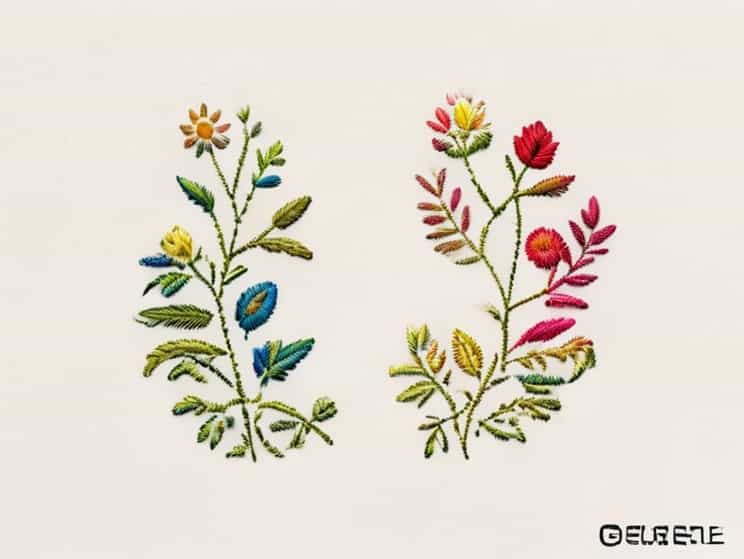
Textile arts have a rich history, and among the most cherished techniques are crewel and embroidery. Both involve decorating fabric with needle and thread, but many people often confuse the two, thinking they are the same. While they share similarities, there are distinct differences in materials, techniques, and aesthetic outcomes. Understanding these differences is essential for hobbyists, professional textile artists, and anyone interested in decorative arts. By exploring the history, methods, and uses of crewel and embroidery, this topic provides a detailed guide to help readers distinguish between these two intricate art forms and appreciate their unique characteristics.
What Is Embroidery?
Embroidery is a broad term that encompasses the art of decorating fabric using needle and thread or yarn. It is a versatile craft practiced worldwide for centuries, allowing artists to create patterns, textures, and images on a variety of textiles. Embroidery can be done on clothing, home décor items, and even accessories, ranging from simple running stitches to complex satin stitches and cross-stitch patterns. Modern embroidery often incorporates metallic threads, beads, and sequins, expanding the creative possibilities.
Techniques in Embroidery
Embroidery includes multiple techniques, each suited to specific designs and effects. Some of the most common techniques include
- Cross-stitchUses X-shaped stitches to form patterns, often on counted fabric like Aida cloth.
- Satin stitchCreates smooth, solid areas of color by placing stitches closely together.
- Chain stitchForms loops resembling a chain, useful for outlines or decorative borders.
- French knotsSmall, textured knots that add dimension to floral and detailed designs.
Embroidery can be executed with any type of thread or yarn and on various fabrics, including cotton, linen, silk, and even denim. Its flexibility allows it to serve both functional and decorative purposes.
What Is Crewel?
Crewel is a specialized type of embroidery that has a long tradition in Europe, especially in England. It specifically uses wool yarn to create intricate designs on a tightly woven fabric, commonly linen or twill. Unlike general embroidery, which can use threads of different materials, crewel is defined by the use of wool, which gives the finished work a textured, dimensional appearance. Historically, crewel was popular for decorating home furnishings, such as curtains, bedspreads, and wall hangings.
Techniques in Crewel
Crewel work involves a unique set of stitches designed to enhance the texture and detail of the wool. Some commonly used stitches include
- Stem stitchIdeal for outlines and curved lines.
- Split stitchCreates a dense line perfect for lettering or fine details.
- Long and short stitchUsed to blend colors and create shaded effects.
- French knots and bullion knotsAdd dimensional elements to flowers and motifs.
The combination of wool yarn and these stitches gives crewel a distinctive raised texture, often resulting in a more tactile and three-dimensional piece compared to standard embroidery.
Key Differences Between Crewel and Embroidery
Although crewel is a form of embroidery, several differences set it apart from general embroidery. Understanding these distinctions can help crafters select the appropriate technique for their projects.
Material Differences
The primary distinction lies in the materials used. Crewel exclusively employs wool yarn, which produces a thicker and more textured look. Standard embroidery, on the other hand, can use threads made from cotton, silk, metallic fibers, or synthetic materials. The choice of thread impacts the final appearance, durability, and feel of the work.
Fabric Types
Crewel typically requires a tightly woven fabric that can support the weight of wool yarn, such as linen or twill. In contrast, embroidery can be executed on a wide variety of fabrics, including lightweight cotton, silk, denim, and even canvas. This flexibility makes embroidery more versatile for clothing, accessories, and smaller decorative projects.
Texture and Appearance
Crewel embroidery often has a raised, three-dimensional effect due to the thickness of wool yarn and the types of stitches used. Standard embroidery can range from flat designs to slightly textured ones, depending on the stitch and thread type. As a result, crewel tends to appear more sculptural and bold, making it ideal for wall hangings or large decorative pieces.
Design Complexity
Crewel designs are often elaborate and feature naturalistic motifs such as flowers, leaves, vines, and animals. The thick wool allows for shading and color blending, giving the work depth and richness. General embroidery can be simple or complex, and while it also includes floral and geometric designs, it can adapt to more minimalistic or contemporary styles due to its flexibility in thread and fabric choice.
Historical Context
Crewel has a rich history dating back to the 17th century, with notable examples found in English Jacobean textiles. It was primarily used for decorative household textiles, conveying wealth and artistic taste. Embroidery, by contrast, is a much older and broader craft with global variations. It has served not only decorative purposes but also ceremonial, religious, and functional roles throughout history.
Applications of Crewel and Embroidery
Both crewel and general embroidery have practical and aesthetic applications, though their uses often differ due to material and texture. Understanding these applications can guide crafters in choosing the right technique for a project.
Crewel Applications
- Wall hangings and tapestries
- Decorative curtains and drapes
- Bedspreads and cushion covers
- Traditional artistic panels for display
Embroidery Applications
- Clothing embellishments, such as shirts, jackets, and dresses
- Accessories, including bags, hats, and shoes
- Table linens, napkins, and handkerchiefs
- Custom logos and monograms for personal or corporate use
Learning and Practicing the Techniques
Both crewel and embroidery are accessible to beginners, though they require patience and attention to detail. Beginners can start with simple stitches, gradually moving to more complex patterns. Crewel may be slightly more challenging due to the thickness of wool yarn and the need for tighter stitches, but it offers a rewarding experience with its rich textures. Embroidery offers flexibility for experimentation with materials and styles, making it suitable for a wide range of projects and skill levels.
Tips for Beginners
- Start with simple patterns and practice basic stitches.
- Use embroidery hoops to keep fabric taut and maintain even tension.
- Choose appropriate thread or yarn for the fabric to avoid puckering.
- Follow tutorials or patterns specifically designed for crewel or embroidery.
- Gradually experiment with colors, textures, and techniques to develop your style.
While crewel and embroidery share the core principle of decorating fabric with needle and thread, they differ in materials, texture, and historical context. Crewel uses wool yarn on tightly woven fabrics to create raised, textured designs, often featuring naturalistic motifs. Embroidery, by contrast, encompasses a broad range of techniques, threads, and fabrics, allowing for both flat and textured designs suitable for clothing, accessories, and home décor. Understanding these differences helps crafters choose the right technique for their project and appreciate the unique qualities of each art form. Whether creating a detailed Jacobean tapestry or a modern embroidered shirt, mastering both crewel and embroidery opens a world of creative possibilities in textile arts.