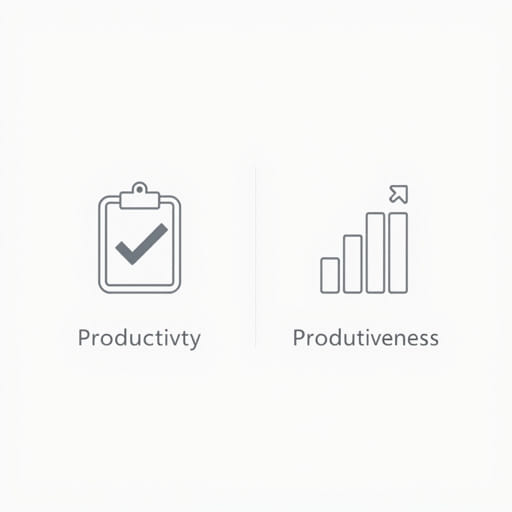
In many discussions about work, efficiency, and success, the terms ‘productivity’ and ‘productiveness’ are often used interchangeably. While they may appear similar on the surface, these two concepts actually carry distinct meanings and implications, especially in professional, academic, and personal development contexts. Understanding the difference between productivity and productiveness can help individuals and organizations make more informed decisions about how they manage time, resources, and goals. These terms reflect not only how much is done, but also how meaningful and valuable the output truly is.
Understanding the Definitions
What Is Productivity?
Productivity is generally defined as the measurement of output over a given period of time. It is a quantitative concept that focuses on efficiency, often expressed in formulas such as output per hour or tasks completed per day. In workplaces, productivity is used to track performance, compare efficiency between employees, and optimize business operations. The term is rooted in economic and industrial contexts where tangible results are measured against input.
What Is Productiveness?
Productiveness, on the other hand, is a broader and more qualitative concept. It refers to the ability or tendency of a person or system to produce useful, meaningful, or valuable results. Productiveness takes into account not only how much work is done, but also how relevant, effective, and impactful that work is. It often includes emotional, strategic, and long-term value rather than short-term output.
Key Differences Between Productivity and Productiveness
1. Quantitative vs. Qualitative
- Productivity: Focuses on the quantity of output. It is measured in numbers how many units are made, how many reports are written, or how many clients are served in a specific timeframe.
- Productiveness: Emphasizes the quality, usefulness, or value of the output. It asks, ‘Is the work meaningful?’ or ‘Did the outcome solve a problem or create a lasting benefit?’
2. Measurement Criteria
- Productivity: Can be easily measured with metrics, graphs, and statistics. It is common in manufacturing, sales, and administrative work where clear results can be tracked.
- Productiveness: Is more subjective and context-dependent. It may require feedback, evaluation, or long-term observation to assess impact and relevance.
3. Short-Term vs. Long-Term Impact
- Productivity: Often reflects short-term efficiency. High productivity might mean completing ten tasks in a day, regardless of their significance.
- Productiveness: May involve fewer tasks, but ones that are impactful, strategic, or creatively significant over time.
4. Efficiency vs. Effectiveness
- Productivity: Is closely linked to efficiency getting more done in less time with fewer resources.
- Productiveness: Is more aligned with effectiveness doing the right things that lead to success, even if they take more time or effort.
Examples of Productivity and Productiveness
Workplace Example
- High Productivity: An employee sends 50 emails in an hour, attends multiple meetings, and processes reports quickly.
- High Productiveness: An employee focuses on a few key client issues, resolves them efficiently, and improves customer satisfaction through thoughtful communication and strategic planning.
Creative Industry Example
- Productivity: A writer produces three blog posts in one day.
- Productiveness: A writer creates one deeply researched topic that goes viral and generates valuable discussion.
Personal Life Example
- Productivity: You clean the entire house, do the laundry, and respond to all emails within two hours.
- Productiveness: You have a deep conversation with a friend, plan a family event, and set a new goal for self-improvement that positively impacts your week.
Why the Difference Matters
Avoiding the Trap of Busy
People often confuse being busy with being productive, but high productivity doesn’t always lead to meaningful progress. You can check off dozens of tasks without making real strides toward your goals. Productiveness helps individuals focus on what truly matters, avoiding the trap of ‘doing for the sake of doing.’
Strategic Thinking
Being productive can help with routine and operational success, but productiveness involves strategic thinking. It encourages prioritization, reflection, and intentional action that aligns with long-term objectives. This distinction is especially important in leadership, planning, and creative roles.
Mental and Emotional Well-being
Chasing constant productivity can lead to burnout, fatigue, and dissatisfaction. On the other hand, productiveness can be more fulfilling. When you see your work making a real difference, it boosts motivation and well-being. Quality of output contributes more to personal satisfaction than quantity alone.
How to Improve Both Productivity and Productiveness
Set Clear Goals
Define what success looks like not just in numbers, but in impact. Understand your priorities so you can choose tasks that are both efficient and meaningful.
Use Time Wisely
- Block focused time for deep work
- Avoid multitasking, which lowers both productivity and productiveness
- Schedule regular breaks to refresh your mind
Evaluate Outcomes
After completing a task, ask yourself not just how fast you did it, but what value it created. Did it move your project forward? Did it benefit your team? This reflection helps bridge productivity with productiveness.
Reduce Low-Value Tasks
Eliminate or delegate tasks that don’t contribute to your goals. Just because something can be done quickly doesn’t mean it should be done at all. Focus energy on actions that bring results.
Adopt Smart Tools and Methods
- Use project management software to streamline workflow
- Apply productivity methods like the Pomodoro Technique or Eisenhower Matrix
- Track not just task completion, but also impact and value
While productivity and productiveness are related, they highlight different aspects of work and achievement. Productivity emphasizes quantity and speed, whereas productiveness focuses on value, relevance, and long-term impact. Both are important, but the most successful individuals and organizations know how to balance them. Understanding the difference between productivity and productiveness can shift your focus from simply doing more to doing what truly matters. In today’s fast-paced world, this perspective is not just useful it’s essential.