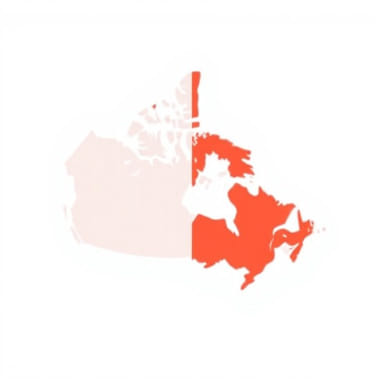
In many countries around the world, administrative divisions are established to organize governance, manage resources, and provide services to citizens effectively. Among these divisions, provinces and territories are common terms used to describe distinct regions within a nation. While they might seem similar, provinces and territories often differ in terms of their governance, legal status, and relationship with the central government. Understanding the difference between a province and a territory is crucial for appreciating how political authority and administrative responsibilities are distributed. This distinction is particularly important in countries like Canada, where both provinces and territories exist side by side but have unique roles and powers.
Defining Provinces
A province is a primary administrative division within a country, generally possessing a significant degree of political autonomy and self-governance. Provinces typically have their own elected governments, including a premier or governor, and legislatures that can pass laws related to various regional matters such as education, health, transportation, and natural resources.
Key Characteristics of Provinces
- Constitutional AuthorityProvinces usually derive their powers from the country’s constitution or foundational laws, granting them recognized authority.
- Self-GovernanceThey have significant control over local legislation and governance, including taxation and public services.
- Permanent StatusProvinces often have stable boundaries and long-standing status within the country’s political framework.
- RepresentationProvinces typically have formal representation in the national legislature or parliament.
In Canada, for example, provinces like Ontario and Quebec have constitutional powers that give them broad jurisdiction over various areas of governance.
Understanding Territories
Territories are administrative divisions that often have a different legal and political status compared to provinces. They may be regions that are less populated, more remote, or have been recently incorporated into a country’s jurisdiction. Territories frequently have governments with powers delegated by the central or federal government rather than constitutionally guaranteed autonomy.
Main Features of Territories
- Federal OversightTerritories often have more direct federal government involvement in their administration and lawmaking.
- Limited Self-GovernanceWhile they may have elected governments, their powers can be less extensive than those of provinces.
- Transitional StatusTerritories can sometimes evolve into provinces as their population, economy, and infrastructure develop.
- Geographic and Demographic DifferencesTerritories tend to cover larger, less densely populated areas, often with unique indigenous populations.
In Canada, the three territories Yukon, Northwest Territories, and Nunavut illustrate these characteristics, with the federal government playing a more active role in their governance.
Legal and Constitutional Differences
One of the most significant distinctions between provinces and territories lies in their constitutional status and the source of their powers.
Provinces and the Constitution
Provinces usually have their powers defined and protected by the nation’s constitution. This means that their authority is entrenched, making it difficult for the federal government to alter provincial powers without constitutional amendments or agreements.
Territories and Federal Delegation
In contrast, territories derive much of their authority from federal statutes or orders-in-council, allowing the central government to retain greater control and flexibility in managing territorial affairs. This arrangement means that territories may have less legislative independence compared to provinces.
Governance and Political Autonomy
The extent of political autonomy is another major difference between provinces and territories.
Provinces’ Autonomous Governments
Provinces typically operate their own governments with legislative assemblies that enact laws on education, health, natural resources, transportation, and local taxation. They have the power to manage their own budgets and make decisions tailored to their residents’ needs.
Territorial Governments and Federal Role
While territories also have elected governments and legislative assemblies, their powers may be limited or subject to federal approval. The federal government may retain authority over certain areas such as natural resources or criminal law, depending on the country’s legal framework.
Economic and Social Implications
The differences in status and governance also have economic and social implications for provinces and territories.
Provinces’ Economic Development
Provinces often have well-developed infrastructure, industries, and services that support economic growth. Their authority to manage natural resources and taxation helps them fund social programs and public services effectively.
Challenges in Territories
Territories frequently face challenges due to geographic isolation, harsh climates, and smaller populations. Limited local revenue and federal oversight can impact the pace of economic development and the provision of social services.
Examples Beyond Canada
Although the province-territory distinction is most clearly defined in Canada, other countries have similar arrangements that reflect the difference between core administrative regions and those under more direct federal control.
Australia
Australia has states and territories, with states having constitutional autonomy similar to Canadian provinces. Territories such as the Northern Territory have a degree of self-government but remain under more direct federal oversight.
Other Countries
Different nations use varying terms like regions, departments, or districts, but the concept of administrative divisions with different levels of autonomy is common worldwide.
Summary of Differences
| Aspect | Province | Territory |
|---|---|---|
| Legal Status | Constitutionally recognized | Governed by federal delegation |
| Governance | Autonomous government with broad powers | Limited self-government; federal oversight |
| Population & Area | Typically more populous and developed | Often less populous and more remote |
| Representation | Formal representation in national legislature | May have limited or special representation |
| Economic Control | Manage own resources and taxation | Federal government controls some resources |
The difference between provinces and territories revolves primarily around constitutional status, governance autonomy, and the relationship with the central government. Provinces enjoy constitutionally protected powers and self-governance, allowing them to manage regional affairs with significant independence. Territories, on the other hand, are more directly governed by the federal government and often have limited autonomy, reflecting their unique geographic, demographic, and historical contexts. Recognizing these distinctions helps in understanding how countries organize their political and administrative structures to accommodate diverse regions and populations effectively.