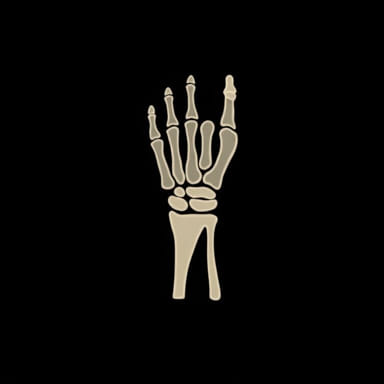
A displaced distal radius fracture is a common type of wrist injury that can significantly affect mobility and daily functioning if not properly treated. This fracture occurs when the distal end of the radius bone, located near the wrist, is broken and the bone fragments are no longer aligned correctly. Displaced fractures are particularly concerning because they can compromise wrist stability, lead to improper healing, and increase the risk of long-term complications such as reduced range of motion or arthritis. Understanding the causes, treatment options, rehabilitation strategies, and potential outcomes of displaced distal radius fractures is essential for patients, caregivers, and healthcare professionals alike.
Causes and Risk Factors
Displaced distal radius fractures typically result from trauma to the wrist, often caused by falls onto an outstretched hand, sports injuries, or accidents. Older adults with decreased bone density are particularly susceptible to these fractures, as weaker bones are more likely to break under stress. High-impact trauma, such as car accidents or contact sports, can also lead to displacement, where the broken bone fragments move from their original anatomical position. Other contributing factors include osteoporosis, repetitive stress injuries, and prior fractures in the same area, which may weaken the bone structure and make it more prone to displacement.
Types of Displaced Distal Radius Fractures
Displaced distal radius fractures can be classified based on the location and pattern of the fracture. Some common types include
- Colles FractureCharacterized by dorsal displacement of the distal fragment and often caused by falling on an outstretched hand.
- Smith FractureFeatures volar displacement of the distal fragment, usually resulting from a fall onto a flexed wrist.
- Intra-articular FractureInvolves the wrist joint itself, increasing the risk of long-term complications if not accurately reduced.
- Extra-articular FractureOccurs outside the wrist joint, often easier to treat but still requires proper alignment for healing.
Symptoms and Diagnosis
The primary symptoms of a displaced distal radius fracture include severe pain, swelling, bruising, and deformity of the wrist. Patients may notice a visible bend or misalignment, sometimes described as a dinner fork” deformity in Colles fractures. Difficulty moving the wrist, gripping objects, or performing daily tasks is common, along with numbness or tingling if nerves are affected. Prompt medical evaluation is critical to prevent complications and ensure proper healing.
Diagnostic Methods
Diagnosis of a displaced distal radius fracture begins with a physical examination, where the clinician assesses swelling, deformity, and range of motion. Imaging studies are essential to confirm the fracture type and degree of displacement. Standard X-rays of the wrist from multiple angles provide detailed information about the alignment and any involvement of the joint. In some cases, CT scans may be recommended for complex intra-articular fractures to plan surgical interventions accurately. Accurate diagnosis is crucial for determining the most appropriate treatment approach.
Treatment Options
Treatment for displaced distal radius fractures depends on the severity of the displacement, fracture type, patient age, activity level, and overall health. The main goal is to restore proper alignment, ensure bone healing, and preserve wrist function.
Non-Surgical Treatment
Non-surgical or conservative treatment may be appropriate for minimally displaced fractures or in patients who are not ideal candidates for surgery. This typically involves closed reduction, where the physician manually realigns the bone fragments, followed by immobilization using a cast or splint. Regular follow-up X-rays are essential to monitor bone healing and ensure the alignment remains correct. Pain management, anti-inflammatory medications, and elevation of the wrist are often recommended to reduce discomfort and swelling.
Surgical Treatment
Surgical intervention is often required for severely displaced, unstable, or intra-articular fractures. The primary surgical techniques include
- Open Reduction and Internal Fixation (ORIF)Involves exposing the fracture site and stabilizing the bones using plates, screws, or pins.
- External FixationA frame outside the wrist holds the bones in proper alignment, often used for complex or comminuted fractures.
- Percutaneous PinningInvolves inserting pins through the skin to stabilize the bone fragments without a large incision.
The choice of surgery depends on the fracture pattern, patient health, and surgeon expertise. Postoperative care includes immobilization, pain management, and careful monitoring for complications.
Rehabilitation and Recovery
Rehabilitation is a critical component of recovery from a displaced distal radius fracture. Physical therapy begins once the bone has sufficiently healed, focusing on restoring strength, flexibility, and range of motion. Exercises may include wrist flexion and extension, grip strengthening, and functional activities to regain dexterity. Early mobilization under professional guidance is essential to prevent stiffness, muscle atrophy, and long-term functional deficits. Recovery timelines vary, with most patients regaining significant function within three to six months, though full recovery can take longer for complex fractures.
Potential Complications
While proper treatment can result in excellent outcomes, displaced distal radius fractures carry some risk of complications. Common issues include
- Malunion or improper healing of the bone
- Reduced wrist range of motion or strength
- Chronic pain or discomfort
- Post-traumatic arthritis in intra-articular fractures
- Nerve injury or tendon irritation
- Infection following surgical intervention
Awareness of these potential complications underscores the importance of timely treatment, adherence to rehabilitation protocols, and regular follow-up with healthcare providers.
Prevention Strategies
Preventing distal radius fractures, including displaced variants, involves reducing risk factors for falls and trauma. Strategies include maintaining bone health through adequate calcium and vitamin D intake, engaging in weight-bearing exercises, and managing conditions such as osteoporosis. Protective gear during sports, ensuring safe home environments to prevent falls, and practicing proper techniques when lifting or handling heavy objects also contribute to fracture prevention. For older adults, balance training and mobility exercises are particularly important.
A displaced distal radius fracture is a serious injury that requires prompt and comprehensive management to restore wrist function and prevent long-term complications. Understanding the causes, symptoms, and treatment options is essential for patients and caregivers. Both non-surgical and surgical interventions aim to realign the bone, ensure proper healing, and maintain functionality. Rehabilitation and follow-up care are crucial to achieving optimal outcomes, while preventive strategies can help minimize the risk of future fractures. With appropriate medical care, most individuals can regain strength, mobility, and quality of life after a displaced distal radius fracture.