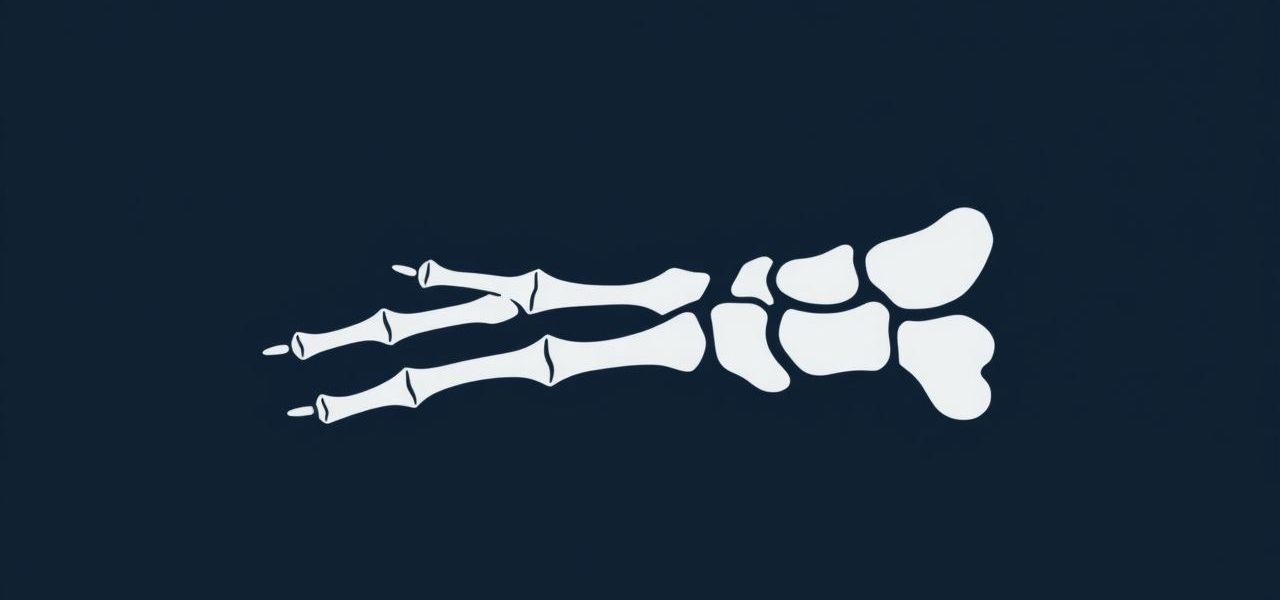
Fractures of the distal radius and distal ulna are among the most common types of injuries affecting the wrist and forearm. These fractures can happen to people of all ages, from children who fall while playing to older adults with fragile bones. The wrist is a critical joint that provides strength, flexibility, and stability for daily activities, so injuries in this area can greatly affect quality of life. Understanding the causes, symptoms, treatment options, and recovery process for distal radius and distal ulna fractures is important for patients, caregivers, and healthcare providers. This topic explains in detail how these fractures occur, how they are diagnosed, and the best ways to manage them for proper healing and prevention of complications.
Anatomy of the Distal Radius and Distal Ulna
The forearm consists of two long bones the radius and the ulna. The distal radius is the lower end of the radius bone, located near the wrist joint. The distal ulna is the corresponding lower end of the ulna. Together, these bones form part of the wrist joint and allow complex movements such as rotation, bending, and gripping. Any fracture in this area can disrupt joint stability and hand function.
Causes of Distal Radius and Distal Ulna Fracture
These fractures usually occur due to direct or indirect trauma. Some of the common causes include
- Falls on an outstretched hand– This is the most frequent cause, especially in sports or daily accidents.
- Motor vehicle accidents– High-impact trauma can lead to severe fractures involving both the distal radius and ulna.
- Osteoporosis– Weakening of the bones in elderly individuals makes them more prone to fractures.
- Sports injuries– Activities such as skiing, cycling, or contact sports increase the risk of wrist fractures.
Types of Distal Radius and Distal Ulna Fractures
Different fracture patterns exist depending on the mechanism of injury and the severity. The most common types include
- Colles’ fracture– A break in the distal radius with the wrist bent backward.
- Smith’s fracture– The opposite of Colles’, where the wrist bends forward.
- Barton’s fracture– A fracture involving the joint surface of the distal radius.
- Distal ulna fracture– Often occurs together with distal radius fractures but can also appear in isolation.
- Comminuted fracture– The bone breaks into multiple fragments, often from severe trauma.
Symptoms of Distal Radius and Distal Ulna Fracture
Typical signs and symptoms include
- Severe pain in the wrist or forearm immediately after injury
- Swelling and tenderness around the wrist joint
- Visible deformity, such as a bent or crooked wrist
- Bruising and discoloration
- Difficulty or inability to move the wrist and hand
- Numbness or tingling if nerves are affected
Diagnosis of Distal Radius and Distal Ulna Fracture
Accurate diagnosis is essential for effective treatment. The process usually involves
- Physical examination– Checking for tenderness, deformity, and range of motion.
- X-rays– The most common imaging method to identify the type and severity of fracture.
- CT scan– Provides more detailed images for complex or joint-involving fractures.
- MRI– Sometimes used to check for associated ligament or soft tissue injuries.
Treatment Options for Distal Radius and Distal Ulna Fractures
The choice of treatment depends on factors such as the type of fracture, patient age, bone quality, and activity level. Common treatment options include
Non-Surgical Treatment
Stable and less severe fractures may be treated without surgery. This typically involves
- Immobilization with a cast or splint
- Pain management with medication
- Regular X-rays to monitor healing
Surgical Treatment
More complex fractures may require surgery to restore proper alignment and stability. Common procedures include
- Open reduction and internal fixation (ORIF) using plates and screws
- External fixation for severe or unstable fractures
- Pinning with wires for certain types of fractures
Rehabilitation and Recovery
After treatment, rehabilitation is critical to restore strength, flexibility, and function. Key aspects include
- Physical therapy– Exercises to improve wrist motion and strengthen muscles.
- Gradual return to activities– Patients must avoid heavy lifting until the bone heals completely.
- Follow-up visits– Regular medical checkups ensure proper bone alignment and recovery.
Complications of Distal Radius and Distal Ulna Fractures
If not treated properly, complications may arise, including
- Malunion or improper bone healing
- Joint stiffness and reduced range of motion
- Post-traumatic arthritis
- Nerve or tendon damage
- Chronic pain and weakness
Prevention of Wrist Fractures
While accidents cannot always be avoided, certain measures can reduce the risk
- Maintaining strong bones with calcium and vitamin D
- Regular exercise to improve balance and prevent falls
- Wearing protective gear during sports
- Managing osteoporosis through lifestyle and medical treatment
Prognosis and Long-Term Outlook
Most patients with distal radius and distal ulna fractures recover fully with proper treatment and rehabilitation. Younger patients often regain complete function, while older adults may experience some stiffness or reduced flexibility. With advancements in surgical techniques and rehabilitation, the long-term outlook remains positive for most individuals.
Understanding distal radius and distal ulna fractures is essential for timely diagnosis, effective treatment, and successful recovery. Whether caused by falls, sports, or high-impact accidents, these injuries require careful medical attention and rehabilitation to restore full wrist and hand function. By learning about the causes, symptoms, treatment methods, and preventive measures, individuals can take better care of their bone health and reduce the risk of future fractures.