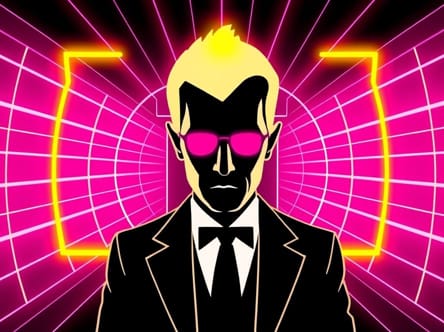
Science fiction has always been a playground for creativity, and two cultural icons from different corners of the genre Doctor Who and Max Headroom illustrate just how broad and experimental the field can be. Doctor Who, a long-running British television series, explores time travel, alien worlds, and human resilience through the adventures of the Doctor, a Time Lord with the ability to regenerate. Max Headroom, on the other hand, emerged in the 1980s as a satirical artificial intelligence character, blending futuristic cyberpunk aesthetics with biting humor. Although they come from different traditions, the worlds of Doctor Who and Max Headroom share interesting parallels, especially in their treatment of technology, media, and the question of what it means to be human in an evolving future.
The Legacy of Doctor Who
Doctor Who has been a staple of science fiction since its debut in 1963. It has introduced audiences to countless alien species, futuristic technologies, and philosophical dilemmas. At its heart, the series combines adventure with moral questions, often examining how individuals and societies deal with change, oppression, or progress. With the Doctor’s ability to regenerate, the show has remained fresh for decades, each actor bringing a new interpretation to the role.
A Show About Change
The regeneration concept allowed Doctor Who to reinvent itself repeatedly. This is not just a clever narrative device but also a reflection of how science fiction adapts to cultural shifts. Each era of Doctor Who has reflected the anxieties and hopes of its time, from Cold War fears to today’s focus on identity, diversity, and environmental concerns. The Doctor embodies curiosity and empathy, qualities that resonate with fans across generations.
The Arrival of Max Headroom
Max Headroom made his debut in the 1980s, a decade defined by the rise of television and digital media. Created as a computer-generated TV host, Max was designed to parody the artificial charm of television personalities. His stuttering voice, glitchy visuals, and sarcastic wit became instantly recognizable. While fictional within his universe, Max also blurred the line between reality and performance, appearing on music channels, commercials, and even his own TV series.
A Satire of Media Culture
Max Headroom was not just entertainment; he was social commentary. At a time when people were becoming increasingly aware of corporate influence over television, Max highlighted the absurdity of media culture. His exaggerated personality pointed out how television often values style over substance. For many fans, Max Headroom became a symbol of skepticism toward mass media, a theme that remains relevant today.
Common Ground Between Doctor Who and Max Headroom
Although Doctor Who and Max Headroom emerged from different eras and cultural contexts, they share certain themes. Both explore how technology shapes human life and how individuals can retain their humanity in the face of change. Where Doctor Who uses time travel and alien encounters, Max Headroom relies on satire and digital distortion to explore similar questions.
- Both shows challenge the power of corporations and institutions.
- Each presents technology as a double-edged sword, capable of both harm and innovation.
- Both are concerned with identity whether through regeneration in Doctor Who or artificial construction in Max Headroom.
- They highlight humor as a way to address serious issues in science fiction.
The Question of Humanity
Doctor Who often asks what it means to be human when encountering alien species or advanced technology. Similarly, Max Headroom embodies a digital persona that questions authenticity. Is Max a real personality, or merely a reflection of human programming? Both stories suggest that humanity is not just about biology but also about choices, compassion, and self-awareness.
Doctor Who Meets Cyberpunk Themes
While Doctor Who is often more whimsical than dystopian, it has occasionally brushed against themes that resonate with the world of Max Headroom. Episodes dealing with virtual realities, artificial intelligence, and corporate greed reflect ideas that cyberpunk fans would recognize. The Doctor’s encounters with machines that mimic life or exploit humanity echo the critical stance that Max Headroom took toward media and technology.
Parallels in Storytelling
The way Doctor Who blends humor and seriousness mirrors the tonal shifts in Max Headroom’s world. Both properties understand that humor can disarm audiences while making space for deeper reflection. Just as Max would deliver biting commentary with a glitchy smile, the Doctor often uses wit and eccentricity to confront villains and social issues.
Pop Culture Impact
Both Doctor Who and Max Headroom left lasting marks on pop culture. Doctor Who became one of Britain’s most important television exports, inspiring countless writers, directors, and fans. Max Headroom, though shorter-lived, became an enduring symbol of 1980s futurism, referenced in films, music, and academic discussions about media. Together, they represent different aspects of science fiction’s ability to comment on society while entertaining diverse audiences.
- Doctor Who’s influence is global, spanning decades and media formats.
- Max Headroom’s influence is more concentrated but has become iconic of 1980s sci-fi.
- Both characters continue to inspire discussions about the role of technology in everyday life.
Cross-Generational Appeal
Doctor Who thrives because each new generation of fans finds something relevant in its stories. Max Headroom, though tied to the aesthetics of the 1980s, continues to be rediscovered as people reflect on issues of artificial intelligence, digital personas, and media control. The two properties remind us that science fiction has no expiration date when its core ideas remain meaningful.
Imagining a Doctor Who and Max Headroom Crossover
Fans often speculate about what if scenarios in science fiction, and imagining the Doctor encountering Max Headroom is an intriguing thought. The Doctor, always curious about artificial life, would likely see Max as both fascinating and problematic. A crossover could highlight the clash between human empathy and artificial satire, with Max questioning the Doctor’s identity while the Doctor challenges Max’s manufactured persona.
Possible Themes in a Crossover
- The Doctor confronting the ethics of digital personalities.
- Max Headroom exposing the contradictions of the Doctor’s multiple regenerations.
- A storyline focused on media manipulation, where both characters team up against a corporate villain.
- A blend of comedy and drama, allowing each character’s strengths to shine.
The Relevance of Both Icons Today
In today’s digital world, the themes of Doctor Who and Max Headroom feel more relevant than ever. We live in a time where artificial intelligence, digital personas, and corporate influence over media are everyday realities. Doctor Who continues to evolve with these concerns, while Max Headroom remains a prophetic figure, reminding us of the dangers of losing authenticity in a media-saturated world.
Lessons for Modern Audiences
From Doctor Who, audiences learn the importance of curiosity, kindness, and adaptability. From Max Headroom, they learn skepticism, critical thinking, and the value of questioning what is presented on screens. Together, these lessons encourage a balanced perspective on technology embracing innovation while remaining cautious of its misuse.
The worlds of Doctor Who and Max Headroom may have emerged from different times and traditions, but both have left powerful impressions on science fiction and popular culture. Doctor Who continues to reinvent itself, showing how stories of time travel and compassion remain timeless. Max Headroom, though rooted in 1980s cyberpunk, still speaks to our anxieties about technology and media. Their combined legacy highlights the versatility of science fiction as a tool for entertainment, critique, and inspiration. For fans old and new, exploring the connections between Doctor Who and Max Headroom offers not only nostalgia but also insight into the ways stories shape our understanding of the future.
Word Count: ~1020