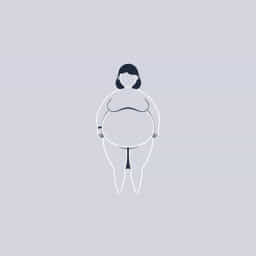
The word heavyset is often used in everyday conversation to describe someone’s body shape, but its actual meaning and connotations can sometimes be misunderstood. People may wonder if calling someone heavyset is the same as calling them fat, or whether it is a more polite or neutral way to refer to body size. This topic explores what heavyset truly means, how it differs from other related terms, and whether it always implies that someone is fat. We’ll also look into its usage in modern language and why context matters when using such terms.
Understanding the Meaning of Heavyset
The term heavyset is an adjective used to describe a person’s physical appearance. Most dictionaries define it as referring to someone who is broad, solidly built, or somewhat overweight. It is a compound of two words: heavy and set. In this context, set refers to the way someone’s body is formed or built. So, when combined, heavyset indicates a body type that is larger or denser in appearance.
Is Heavyset a Polite Term?
Heavyset is often considered a more polite or softened term compared to blunt words like fat. In many cases, it is used to avoid offending someone while still referring to a larger body size. The tone and intent behind the word are key factors. For example, saying someone is heavyset can be viewed as descriptive rather than judgmental, especially when used in a neutral or caring manner.
However, whether a word is perceived as polite or rude also depends on the person hearing it. Some may prefer more direct language, while others might find terms like heavyset to be euphemistic or unclear. Therefore, it is important to be sensitive when talking about body size, especially in personal or professional conversations.
Does Heavyset Mean Fat?
This is the central question: does heavyset actually mean fat? The answer is not entirely straightforward, but we can break it down.
- Similar but not identical: Heavyset and fat both describe larger body sizes, but fat typically refers more directly to excess body fat, while heavyset may also describe someone who is broad-shouldered, muscular, or thick-boned.
- Less negative connotation: Fat has historically carried a lot of negative cultural baggage. In contrast, heavyset is often perceived as less harsh or critical.
- Depends on interpretation: Some people may interpret heavyset as a synonym for fat, while others see it as indicating a solid or stocky build that isn’t necessarily overweight.
In many cases, calling someone heavyset does imply that the person is heavier than average, but it does not automatically equate to being obese or extremely overweight. It often describes people who have a large or sturdy frame, which might or might not include excess fat.
Common Contexts Where Heavyset Is Used
Heavyset is frequently used in a few particular contexts, such as:
- Descriptions in law enforcement: Police reports and witness descriptions often use heavyset to neutrally describe a suspect’s body size.
- Medical assessments: Healthcare providers may use terms like heavyset in patient charts to describe physical characteristics without making direct judgments.
- Social settings: People might use heavyset in everyday conversations as a way to talk about someone’s appearance without sounding rude or offensive.
In all these cases, heavyset serves as a descriptive word that can convey a physical characteristic without implying negative intent. However, even when meant respectfully, it’s crucial to understand how such words might affect others emotionally.
Perception and Cultural Sensitivity
The perception of words like heavyset, fat, or overweight varies greatly across cultures, communities, and individuals. In some cultures, larger body sizes are celebrated or associated with prosperity and health. In others, being thin is considered the ideal. These differences influence how words related to body size are received.
In today’s world, where body positivity and acceptance are growing movements, using respectful and inclusive language is more important than ever. While heavyset may be more neutral than fat, it’s still advisable to avoid unsolicited comments about a person’s body size altogether unless it’s relevant and appropriate to the conversation.
Comparing Heavyset With Other Body Descriptors
To understand the place of heavyset in the broader landscape of body-related terms, here’s a comparison with a few others:
- Fat: Direct and often considered blunt or offensive unless reclaimed by the person themselves.
- Overweight: Clinical or medical term used in health-related contexts.
- Obese: Medical term used for a specific range of Body Mass Index (BMI), often carries a more serious tone.
- Plus-size: Commonly used in fashion and retail to describe clothing sizes for larger bodies.
- Big-boned: Sometimes used to suggest a naturally larger frame, though often humorously or colloquially.
- Stocky: Implies a short, solid, and often muscular build.
As you can see, each term carries its own nuance and emotional weight. Heavyset tends to fall somewhere in the middle neither too clinical nor too crude, but still subject to personal interpretation.
How to Use the Term Appropriately
If you find yourself needing to use the word heavyset, keep the following in mind:
- Use it descriptively, not as a judgment.
- Avoid it unless body size is truly relevant to the topic at hand.
- Be aware of the person’s comfort level and preferences.
- When in doubt, use inclusive or person-first language such as a person with a larger body or simply avoid focusing on body size altogether.
Being thoughtful with your language helps create a more respectful and understanding environment, especially in a time when people are increasingly aware of how words affect others emotionally and socially.
So, does heavyset mean fat? In many cases, yes it is often used to refer to people who are heavier or larger than average. However, the term is more nuanced and less direct than fat. It can describe a broad or solid build and does not necessarily imply a negative judgment. The way heavyset is received largely depends on the context in which it is used and the sensitivities of those involved. As with many descriptive terms, using it thoughtfully and respectfully is the key to good communication. When addressing body size, sensitivity and awareness should always guide our language choices.