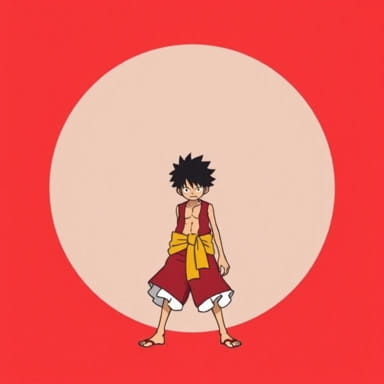
Fans of the long-running anime and mangaOne Pieceoften wonder about the status of Monkey D. Luffy in relation to the Seven Warlords of the Sea, known as the Shichibukai. A common question arises does Luffy become a warlord? Given his reputation as a fearless pirate and his growing influence across the seas, it may seem reasonable to think that Luffy could have been offered a place among the infamous group. However, the truth about Luffy’s journey and his stance on power, freedom, and alliances shows why he never became a Warlord and why that choice was essential for his character development and the larger narrative ofOne Piece.
Understanding the Warlords of the Sea
The Seven Warlords of the Sea were a group of powerful pirates who were sanctioned by the World Government in exchange for privileges and protection. While they retained their pirate status, they were expected to serve the government when called upon. Characters such as Dracule Mihawk, Boa Hancock, Crocodile, and Bartholomew Kuma were among the most famous Warlords. Their positions allowed them to operate freely without being hunted, making the title both prestigious and controversial.
The system was designed to maintain balance among the three great powers the Navy, the Four Emperors (Yonko), and the Warlords. Becoming a Warlord meant sacrificing a degree of independence for security and recognition, something that goes against Luffy’s very nature as a pirate who values freedom above all else.
Does Luffy Ever Become a Warlord?
The simple answer is no, Luffy never becomes a Warlord of the Sea. Throughout the series, Luffy consistently positions himself against the idea of working with or for the World Government. He sees the Warlords as a corrupt institution that uses fear and manipulation to maintain order. Instead of joining them, Luffy repeatedly challenges and defeats Warlords during his journey.
Luffy’s Encounters with Warlords
Luffy’s journey puts him in direct conflict with many Warlords, further proving why he could never join their ranks. His fights against them not only build his reputation but also symbolize his rejection of the system.
- CrocodileIn Alabasta, Luffy defeats Crocodile, exposing his corruption and saving the kingdom from chaos.
- Gecko MoriaIn Thriller Bark, Luffy overcomes Moria, who manipulated shadows for personal gain.
- Bartholomew KumaKuma’s interactions with the crew at Sabaody highlight the danger of government-controlled power, though his true motives are more complex.
- Boa HancockAlthough she initially opposes him, Luffy earns her trust, and she aids him in crucial moments rather than being his enemy.
- DoflamingoIn Dressrosa, Luffy defeats Doflamingo, a notorious Warlord who abused his position to control and terrorize an entire nation.
Through these battles, Luffy proves that he is not someone who would ever align himself with the Warlords. Instead, he stands as their challenger and eventual conqueror.
Why Luffy Refuses the Title
Luffy’s philosophy as a pirate centers on freedom and loyalty to his friends, not political power or protection. Accepting a Warlord position would mean submitting to the World Government, an organization he opposes because of its corruption and injustice. His goal is not safety or recognition, but the pursuit of his dream to become the Pirate King.
Additionally, Luffy’s personality does not fit the political games required to maintain a Warlord position. He is straightforward, honest, and unwilling to compromise his values. This makes him unfit for a system built on manipulation and compromise.
Luffy’s True Path
Instead of becoming a Warlord, Luffy takes a different path that elevates him to even greater heights. His actions in challenging Warlords and defying the Navy lead to him being recognized as one of the most dangerous pirates in the world. His notoriety grows until he is eventually acknowledged as one of the Four Emperors, the Yonko, placing him on equal footing with the most powerful pirates in existence.
The Fall of the Warlord System
An important development in the story is the eventual abolishment of the Warlord system by the World Government. This decision reflects the failures and corruption inherent in the system, something Luffy had consistently exposed through his battles with its members. By the time the system is dismantled, Luffy’s role as a symbol of resistance and freedom becomes even clearer.
Characters who once held Warlord titles either fall in battle, lose their positions, or shift allegiances. Luffy’s opposition to the Warlords throughout the series positions him as a force of change, standing for a new era where power is not dictated by fear and political deals.
Symbolism Behind Luffy’s Rejection
Luffy’s refusal to become a Warlord is symbolic of his larger role inOne Piece. He is not interested in working within corrupt systems; instead, he breaks them apart and creates his own path. This is consistent with his dream to find the One Piece and become Pirate King, a title that represents ultimate freedom rather than subservience to any government.
- FreedomLuffy refuses any title that restricts his independence.
- DefianceBy rejecting the Warlords, he directly challenges the authority of the World Government.
- LegacyHis actions inspire others to fight for their own freedom, making him a revolutionary figure beyond being a pirate.
Comparisons with Other Pirates
Other pirates have accepted Warlord positions for personal gain, survival, or influence. Crocodile used the title to build his power in Alabasta, Doflamingo used it to control Dressrosa, and Mihawk embraced it as a way to pursue his own interests without interference. Luffy, however, stands apart because his ambitions are not tied to manipulation or politics. His refusal highlights his authenticity and the purity of his dream.
What This Means for Luffy’s Story
The fact that Luffy never becomes a Warlord but instead rises beyond them shows his extraordinary growth as a pirate. He doesn’t just reject the system; he reshapes the world by challenging its very foundations. His journey illustrates the power of staying true to one’s values and pursuing freedom at all costs.
Lessons from Luffy’s Decision
- True power comes from independence, not government backing.
- Integrity matters more than recognition or titles.
- Rebelling against corrupt systems can lead to meaningful change.
So, does Luffy become a warlord? No, he never accepts the title, nor does he ever consider it. His story shows why he could never be part of the Warlords of the Sea. Instead of being bound to the World Government, Luffy challenges and defeats Warlords, dismantles corrupt systems, and rises to a position of power on his own terms. His rejection of the Warlord title highlights his unwavering commitment to freedom and his dream of becoming the Pirate King. In the end, Luffy’s legacy is not tied to compromise but to courage, integrity, and the pursuit of ultimate freedom across the seas.
Word count ~1035