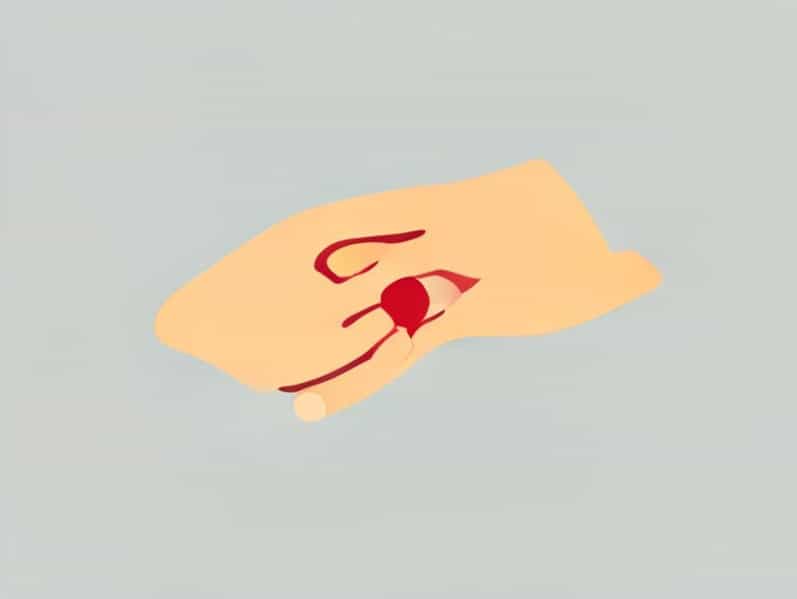
When a bruise appears on the skin after a bump or fall, many people wonder if gently massaging it might help it heal faster. A bruise, also known as a contusion, happens when small blood vessels beneath the skin are damaged, leading to bleeding under the surface. This trapped blood causes the familiar blue or purple color and tenderness. While it might seem logical that massaging a bruise could stimulate blood flow and reduce discoloration, the truth is more complex. Whether or not massaging helps depends on the timing, technique, and severity of the injury.
Understanding How Bruises Form
To know if massaging a bruise helps, it’s important to understand what’s happening beneath the skin. When the body experiences trauma such as a hit, bump, or fall tiny capillaries break and leak blood into the surrounding tissue. This results in swelling, discoloration, and pain. The color of a bruise changes over time as the body reabsorbs the blood and repairs the damaged tissue, typically shifting from red or purple to green, yellow, and eventually fading away.
The body’s natural healing process involves breaking down hemoglobin in the blood and flushing it out through the lymphatic system. Because of this, treatments that improve circulation and lymphatic drainage, such as heat or gentle motion, can sometimes help but only at the right stage of recovery.
Should You Massage a Fresh Bruise?
Immediately after an injury, massaging a bruise is generally not recommended. In the first 24 to 48 hours, the area is inflamed and fragile. The broken blood vessels are still leaking, and pressure from massage could make the bruise worse by increasing internal bleeding. Instead, this is the stage when rest, ice, compression, and elevation known as the R.I.C.E. method are most effective.
- RestAvoid putting strain on the affected area.
- IceApply a cold compress for 10 20 minutes every hour to reduce swelling.
- CompressionUse a light bandage if necessary to prevent excessive swelling.
- ElevationKeep the bruised area above heart level to slow blood flow and minimize discoloration.
During this early phase, massaging could actually spread the damaged blood under the skin, enlarging the bruise and prolonging healing time. Gentle touch is fine, but deep rubbing should be avoided until the bruise starts to change color and the swelling goes down.
When Can You Massage a Bruise?
After about 48 to 72 hours, when the bruise starts to turn yellow or green and the tenderness decreases, light massage may help improve blood circulation and speed up recovery. At this stage, the body is already clearing away the leaked blood, and gentle stimulation can encourage lymphatic drainage. This helps reduce stiffness and prevent scar tissue buildup in deeper bruises.
However, the key is to use a very light touch. Pressing too hard can still cause pain and damage healing tissue. The goal is to encourage circulation, not to break up the bruise forcefully. Gentle circular motions around but not directly on the most discolored area can be beneficial.
How to Massage a Bruise Safely
If you decide to massage a bruise after the initial inflammation has subsided, doing it correctly is essential to avoid making it worse. Follow these steps to ensure safe and effective results
1. Warm the Area First
Before massaging, use a warm compress for a few minutes to increase blood flow and relax the tissue. Warmth helps the muscles loosen and prepares the skin for gentle pressure. Avoid direct heat if there’s still swelling or pain.
2. Use Light, Circular Motions
Apply gentle pressure using your fingertips in small circular movements. Start around the edges of the bruise rather than the center, gradually working closer as the discomfort decreases. Avoid pressing too hard or causing pain discomfort means you should stop immediately.
3. Apply a Healing Oil or Cream
Using natural oils such as arnica, vitamin K cream, or aloe vera can soothe the skin and promote healing. These substances may reduce inflammation and improve circulation. Always ensure the product is safe for your skin type before applying it to the bruise.
4. Keep Sessions Short
Massage for only a few minutes at a time, once or twice a day. Over-massaging can irritate the tissue and slow recovery. The goal is to gently assist the healing process, not to forcefully break down the bruise.
Benefits of Massaging an Old Bruise
When done at the right stage, massage can offer several benefits for older bruises that are already healing
- Improved CirculationGentle massage boosts blood flow, helping the body absorb trapped blood more efficiently.
- Reduced StiffnessBruised muscles or joints may feel tight; massage helps relax the area and restore normal movement.
- Faster HealingIncreased circulation promotes tissue repair and reduces discoloration more quickly.
- Pain ReliefLight stimulation can ease soreness by promoting the release of endorphins, the body’s natural painkillers.
Still, these benefits depend on how carefully the massage is performed. Overly aggressive rubbing can do more harm than good, especially if the bruise is deep or associated with muscle injury.
When You Should Avoid Massaging a Bruise
There are situations when massaging a bruise should be completely avoided. Certain types of bruises or medical conditions require caution or professional care. Avoid massaging if
- The bruise is large, painful, or unusually dark.
- Swelling, heat, or severe tenderness is still present.
- You suspect a deeper injury such as a muscle tear or bone fracture.
- You have a blood clotting disorder or are taking blood-thinning medications.
- There are signs of infection, such as redness, warmth, or pus.
In such cases, massaging could worsen the problem or cause complications. It’s best to consult a doctor if you’re unsure about the nature of your bruise or if it doesn’t start improving within a few days.
Alternative Ways to Help a Bruise Heal
Aside from massage, there are several natural and safe ways to support bruise recovery. These methods can help relieve pain, reduce discoloration, and speed up tissue repair
- Cold CompressApply ice wrapped in a cloth during the first two days to minimize bleeding under the skin.
- Warm CompressAfter 48 hours, switch to gentle heat to stimulate circulation.
- ElevationKeeping the bruised area elevated helps prevent blood pooling.
- Hydration and NutritionEating foods rich in vitamin C, vitamin K, and zinc supports the body’s healing process.
- Topical TreatmentsNatural remedies like arnica gel, witch hazel, or bromelain (from pineapple) can help reduce inflammation and discoloration.
Does Massaging a Bruise Really Help?
The effectiveness of massaging a bruise depends on timing and technique. While massage can be beneficial during the later stages of healing, it can make things worse if done too early. Scientific evidence supports that improving circulation and lymphatic flow aids recovery, but excessive pressure can aggravate tissue damage. The best approach is to wait until the bruise is no longer painful and the swelling has gone down before attempting gentle massage.
Ultimately, the body is capable of healing most bruises on its own within one to two weeks. Massage can assist this process if done properly, but patience and care are key. For most people, combining rest, ice, and gentle movement is enough to encourage natural healing without additional intervention.
So, does massaging a bruise help? The answer is both yes and no. It can help once the bruise begins to heal by improving blood flow and reducing stiffness, but massaging too soon can worsen the injury. The best approach is to let the bruise settle for a few days, then use gentle, warm, and careful techniques if needed. When done correctly, massage can be a useful part of recovery but understanding your body’s signals is essential to avoid unnecessary pain or prolonged healing.