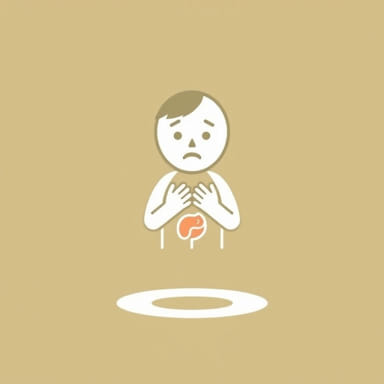
Nervousness is a common emotional response to stress, anxiety, or anticipation of an event, and it can manifest in various physical symptoms. One of the lesser-known but significant effects of nervousness is its impact on the digestive system, particularly causing diarrhea. Many individuals experience sudden gastrointestinal distress during stressful situations, such as public speaking, exams, job interviews, or personal confrontations. Understanding how nervousness can lead to diarrhea involves exploring the intricate connection between the brain and the gut, the role of stress hormones, and strategies for managing stress-related digestive issues.
The Connection Between Nervousness and the Digestive System
The gut and the brain are closely connected through what is called the gut-brain axis. This bidirectional communication system involves nerves, hormones, and biochemical signaling that link emotional and cognitive centers of the brain with intestinal functions. When a person experiences nervousness, the brain triggers a series of physiological responses that can directly affect the gastrointestinal tract. These responses include changes in gut motility, secretion of digestive enzymes, and alterations in the balance of gut bacteria, all of which may contribute to diarrhea.
How Stress Hormones Affect the Gut
Nervousness and anxiety activate the body’s stress response, commonly referred to as the fight-or-flight response. During this response, the adrenal glands release stress hormones such as adrenaline and cortisol. These hormones prepare the body to respond to a perceived threat by increasing heart rate, redirecting blood flow to muscles, and affecting the digestive system. Specifically, the stress response can accelerate intestinal motility, meaning the intestines contract and move food through the digestive tract more quickly than usual. This rapid transit can prevent proper absorption of water and nutrients, resulting in loose stools or diarrhea.
Physiological Mechanisms Behind Nervousness-Induced Diarrhea
Several physiological mechanisms explain why nervousness can cause diarrhea. Increased gut motility is the primary factor, but other processes contribute as well
- Altered Digestive SecretionsNervousness can stimulate excess production of stomach acid and intestinal secretions, which may irritate the intestines and contribute to diarrhea.
- Changes in Gut MicrobiotaStress can affect the balance of beneficial and harmful bacteria in the intestines, potentially disrupting normal digestion.
- Nerve StimulationThe enteric nervous system, sometimes called the second brain, directly controls gastrointestinal function. Nervousness can overstimulate this system, leading to increased bowel movements.
- Inflammatory ResponseChronic stress may induce low-grade inflammation in the gut, which can exacerbate diarrhea and other gastrointestinal issues.
Common Situations That Trigger Nervousness-Related Diarrhea
Diarrhea caused by nervousness often occurs during situations where a person feels anxious, tense, or under pressure. Examples include
- Public speaking engagements or performances
- Taking exams or tests
- Job interviews or career-related stress
- Medical appointments or invasive procedures
- Personal conflicts or social anxiety situations
Individuals with a sensitive gut or pre-existing digestive conditions, such as irritable bowel syndrome (IBS), may be more prone to experiencing diarrhea in response to nervousness. In these cases, even minor stressors can trigger significant gastrointestinal symptoms.
Psychological Factors
Psychological components also play a crucial role in stress-related diarrhea. The perception of threat or discomfort can amplify the body’s stress response, causing more severe gastrointestinal effects. Cognitive factors, such as rumination or excessive worry, may increase the likelihood and intensity of diarrhea episodes. Mind-body interactions are powerful, demonstrating that emotional states directly influence physical well-being.
Managing Nervousness-Induced Diarrhea
Fortunately, there are several strategies to manage or prevent diarrhea caused by nervousness. Addressing both the emotional and physiological aspects of stress can improve digestive health.
Lifestyle and Dietary Approaches
- Dietary AdjustmentsAvoiding high-fat, spicy, or heavily processed foods before stressful events can reduce the risk of diarrhea.
- HydrationStaying hydrated is essential, especially if diarrhea occurs, to prevent dehydration and maintain electrolyte balance.
- Fiber IntakeModerate intake of soluble fiber can help regulate bowel movements and reduce the frequency of loose stools.
Stress Reduction Techniques
- Deep Breathing ExercisesSlow, controlled breathing can activate the parasympathetic nervous system, calming the gut.
- Mindfulness and MeditationPracticing mindfulness can reduce overall anxiety and mitigate gastrointestinal responses.
- Physical ActivityRegular exercise helps manage stress hormones and improves gut motility regulation.
- Progressive Muscle RelaxationThis technique reduces bodily tension and can indirectly lessen diarrhea episodes triggered by nervousness.
Medical Approaches
For individuals with severe or persistent diarrhea related to nervousness, consulting a healthcare professional is advisable. Doctors may recommend
- Short-term use of anti-diarrheal medications under supervision
- Evaluation for underlying gastrointestinal disorders such as IBS or infections
- Referral to a therapist or counselor for stress and anxiety management
- Probiotics or other gut-supporting supplements to maintain healthy intestinal flora
When to Seek Medical Attention
Although nervousness-induced diarrhea is often temporary and mild, medical attention should be sought if
- Diarrhea is severe, persistent, or recurrent
- There is significant abdominal pain, fever, or blood in stools
- Dehydration symptoms occur, such as dizziness, dry mouth, or reduced urine output
- It interferes with daily functioning or quality of life
Early intervention ensures that any underlying conditions are addressed and prevents complications from dehydration or chronic gastrointestinal stress.
Nervousness can indeed cause diarrhea due to the complex interactions between the brain, stress hormones, and the gastrointestinal system. The gut-brain axis plays a central role in transmitting signals that accelerate intestinal motility and alter digestive secretions, leading to loose stools. Both psychological and physiological factors contribute to the manifestation of this condition. By understanding the triggers, implementing stress management techniques, making dietary adjustments, and seeking medical advice when necessary, individuals can reduce the impact of nervousness-induced diarrhea and maintain overall digestive health. Recognizing the connection between emotions and gut function is key to managing this common yet often overlooked consequence of stress.