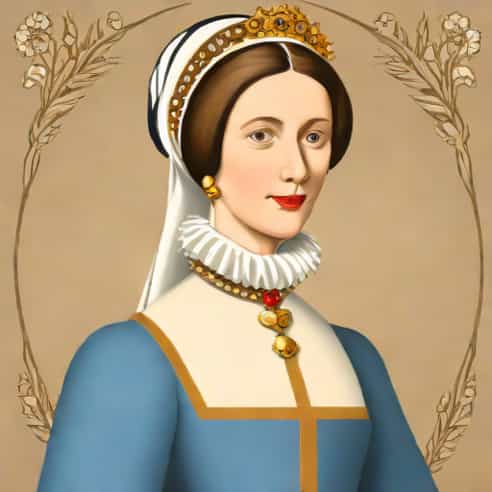
Dorothy Percy, Countess of Northumberland, is a historical figure whose life and influence provide a fascinating glimpse into the social and political fabric of Elizabethan and early Stuart England. Born into a prominent family, she navigated the complex dynamics of the English aristocracy, managing estates, alliances, and courtly expectations. Her marriage into the Percy family, one of the most powerful noble houses in northern England, positioned her as a key player in both social and political spheres. Studying her life offers insights into the role of noblewomen in shaping alliances, patronage, and family legacies during a period marked by religious tensions, political maneuvering, and evolving courtly norms.
Early Life and Family Background
Dorothy Percy, née Devereux, was born into a family of significant status and influence. Her father, Walter Devereux, Earl of Essex, and her mother, Lettice Knollys, provided her with connections to prominent figures at the royal court. This heritage offered Dorothy both privileges and responsibilities from a young age, as noble families were expected to secure strategic marriages, maintain alliances, and demonstrate loyalty to the crown. Her upbringing would have included education in the social graces, household management, and religious and cultural knowledge suitable for a woman of her rank.
Marriage to Henry Percy
Dorothy’s marriage to Henry Percy, the 9th Earl of Northumberland, was a union that strengthened political and social alliances between two influential families. The Percys were a storied family with deep roots in northern England, known for their historical significance and involvement in national affairs. Through this marriage, Dorothy assumed the role of Countess of Northumberland, a position that required overseeing estates, managing domestic affairs, and participating in courtly life. Her responsibilities extended beyond household management to include engagement in local and regional politics, reflecting the multifaceted role of noblewomen in the period.
Role and Influence as Countess
As Countess of Northumberland, Dorothy Percy held a position of considerable influence. Noblewomen of her rank often acted as intermediaries between the crown and their estates, managing resources, and overseeing networks of loyalty. Dorothy’s social standing enabled her to host gatherings, foster alliances, and serve as a patron of the arts and charitable endeavors. Her presence in courtly circles would have also allowed her to participate in the cultural and political discourse of the era, shaping perceptions and securing her family’s legacy.
Religious and Political Context
Dorothy Percy’s life was intertwined with the religious and political upheavals of her time. The Percy family was known for its Catholic sympathies during a period when England was officially Protestant under Elizabeth I and later James I. This religious stance often placed the family under scrutiny, requiring careful navigation of political loyalties and public appearances. As Countess, Dorothy would have played a crucial role in maintaining the family’s status while managing the delicate balance between private beliefs and public obligations. Her actions, discretion, and management of the household and estates contributed to the preservation of the family’s influence during these challenging times.
Patronage and Cultural Contributions
Noblewomen like Dorothy Percy often acted as patrons of literature, art, and charitable works. Through her position, she could support poets, artists, and religious institutions, thereby leaving a cultural legacy that extended beyond her immediate family. Patronage was not only an expression of personal taste but also a demonstration of social status and influence. Dorothy’s engagement in cultural endeavors would have reinforced her standing in society and strengthened networks that benefitted both her family and the broader aristocratic community.
Family and Descendants
Dorothy Percy’s children continued the legacy of the Percy family, inheriting titles, estates, and responsibilities that shaped northern England’s political and social landscape. Her role as a mother was integral to preparing the next generation for the demands of nobility, including education, etiquette, and strategic marriages. Maintaining family alliances through her children ensured the continuation of influence and safeguarded the Percy lineage. Through her descendants, Dorothy’s impact extended well beyond her lifetime, contributing to the historical and political narrative of England.
Challenges and Legacy
Life as a Countess was not without challenges. Dorothy Percy faced the pressures of political scrutiny, religious tensions, and the responsibilities of managing extensive estates. Balancing public expectations with personal convictions required intelligence, diplomacy, and resilience. Despite these challenges, Dorothy Percy maintained her status and influence, leaving a legacy that illustrates the pivotal role of noblewomen in early modern England. Her life serves as an example of how women could navigate complex social hierarchies, exercise agency, and contribute to the cultural and political landscape.
Historical Significance
Dorothy Percy, Countess of Northumberland, holds historical significance for several reasons. First, she exemplifies the power and influence of noblewomen in the governance of estates and social networks. Second, her life reflects the interplay between religion, politics, and family strategy during a turbulent period in English history. Finally, her patronage and management activities highlight the cultural contributions of aristocratic women, whose roles were often overlooked in historical narratives. Studying her life provides a richer understanding of the complexities of noble society and the subtle forms of power exercised by women in early modern England.
Dorothy Percy, Countess of Northumberland, stands out as a figure who navigated the complexities of nobility with intelligence and grace. Her marriage to Henry Percy reinforced powerful family alliances, while her role as Countess encompassed managing estates, participating in courtly life, and fostering cultural and charitable initiatives. Through careful navigation of political and religious landscapes, she maintained the Percy family’s influence during a period of significant tension and change. Her legacy, preserved through her descendants and historical records, demonstrates the multifaceted responsibilities and impact of noblewomen in shaping English society. Dorothy Percy’s life remains an important subject for understanding the role of women in aristocratic, cultural, and political history, offering valuable insights into the strategies, influence, and contributions of a Countess in early modern England.