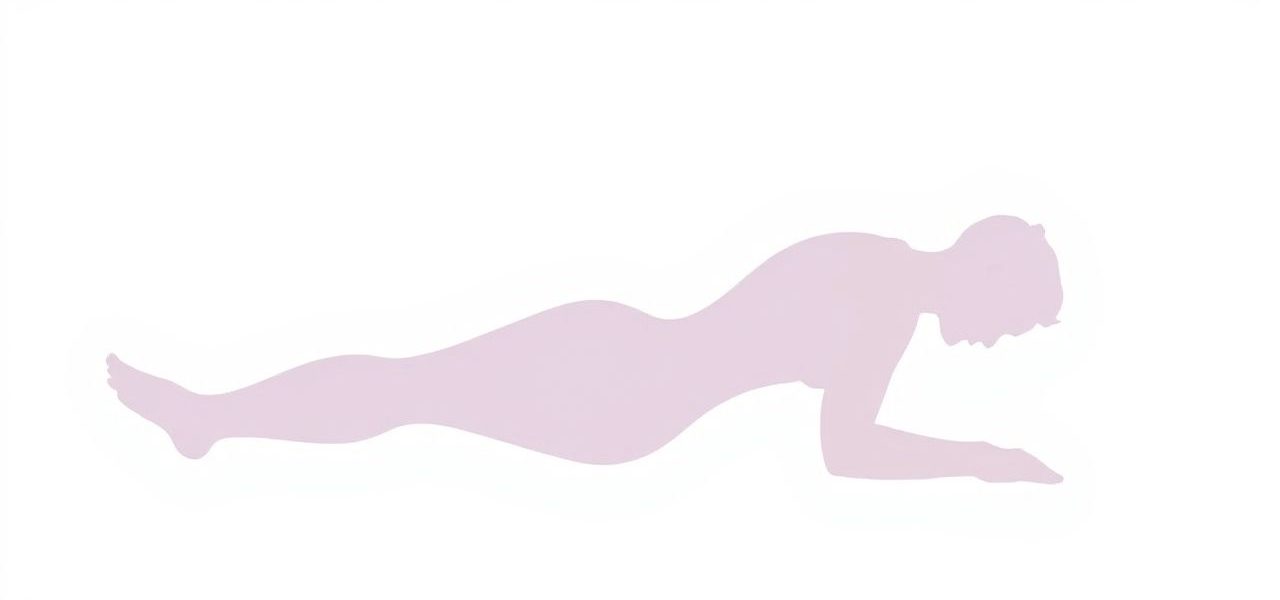
The dorsal recumbent position is one of the most common and widely used patient positions in clinical practice. It is frequently illustrated in medical education through a dorsal recumbent position diagram, which helps students, healthcare workers, and patients understand the correct alignment of the body. This position involves lying flat on the back with knees bent, feet flat on the bed or table, and arms usually resting comfortably at the sides. It is considered a safe and versatile position that supports various medical procedures, examinations, and treatments. By understanding its applications and the significance of diagrams that demonstrate it, one can appreciate its role in patient care and health sciences.
Definition of the Dorsal Recumbent Position
The dorsal recumbent position is defined as a posture in which a person lies on their back with the knees flexed and feet flat. Unlike the supine position, where the legs remain straight, the dorsal recumbent position allows for better relaxation of abdominal and pelvic muscles. This positioning is commonly displayed in medical diagrams to emphasize the anatomical adjustments and the areas of the body it benefits.
Importance of a Dorsal Recumbent Position Diagram
A diagram of the dorsal recumbent position is more than just a medical illustration. It serves as a visual guide to ensure correct body alignment. Healthcare providers rely on such diagrams for training, while patients may also be shown diagrams to help them prepare for procedures. Visual representation reduces errors, ensures comfort, and demonstrates proper technique when teaching medical students or nursing trainees.
Key Elements Shown in the Diagram
- The patient lying flat on their back with the head supported.
- Knees bent at a comfortable angle to reduce muscle strain.
- Feet placed flat on the surface to provide stability.
- Arms positioned either at the side or resting on the chest.
Medical Applications of the Dorsal Recumbent Position
The dorsal recumbent position diagram is especially useful in showing why this posture is chosen for specific medical contexts. Some of the key applications include
Gynecological and Pelvic Examinations
This position allows healthcare providers easier access to the pelvic region. With knees bent and muscles relaxed, the diagram helps to illustrate why the dorsal recumbent position is ideal for gynecological exams, pelvic assessments, and some minor procedures.
Abdominal Examinations
In abdominal evaluations, the position supports relaxation of the abdominal muscles, which allows doctors to palpate and detect abnormalities more effectively. The diagram often highlights the placement of the hands of the examiner to demonstrate examination techniques.
Post-Surgical Care and Rest
After certain surgical procedures, patients may be advised to rest in the dorsal recumbent position to reduce tension in the abdomen or pelvic area. The diagram plays a role in teaching nursing staff how to assist patients in safely moving into this posture.
Comparisons with Other Positions
Medical diagrams often compare the dorsal recumbent position with other common positions to show their differences and uses. For example, the supine position keeps the legs straight, while the lithotomy position involves placing the legs in stirrups. The dorsal recumbent position is seen as a balance between comfort and accessibility, and diagrams are crucial for showing these distinctions clearly.
Advantages of the Dorsal Recumbent Position
The diagrammatic representation of this posture helps to highlight its unique advantages. Some of the benefits include
- Relaxation of abdominal and pelvic muscles for easier examination.
- Comfortable and non-invasive positioning for patients.
- Support for accurate clinical training through standardized diagrams.
- Reduced strain on lower back compared to lying flat with legs extended.
Limitations of the Position
While diagrams help showcase the benefits, they also serve to illustrate the limitations. Some patients may find the dorsal recumbent position uncomfortable if they suffer from back pain or joint stiffness. For others, especially those with mobility issues, achieving this position may require assistance. Diagrams often include safety considerations to guide caregivers in providing support.
Educational Role of Diagrams
In nursing and medical schools, the dorsal recumbent position diagram is a core part of instruction. It visually demonstrates how the patient should be aligned, ensuring that students understand both the theory and the practice. By comparing multiple diagrams, learners can distinguish between similar positions, such as supine, lithotomy, and dorsal recumbent.
Use in Patient Instructions
Patients may not always understand medical terms, but a diagram of the dorsal recumbent position can provide clear guidance. Before a pelvic exam or ultrasound, for example, patients may be shown diagrams to understand how to position themselves correctly. This reduces anxiety and speeds up the process, as patients know exactly what is expected.
Practical Considerations in Healthcare
For healthcare providers, the correct implementation of the dorsal recumbent position ensures both comfort and effectiveness. Diagrams help in teaching staff about proper support, such as using pillows under the head or knees when necessary. This not only improves patient comfort but also prevents strain for both patient and caregiver.
The dorsal recumbent position diagram is more than a simple illustration; it is a fundamental tool in medical education and patient care. By showing the correct posture, highlighting advantages, and clarifying applications, the diagram ensures that this position is understood and applied safely. From gynecological examinations to patient rest after surgery, this posture continues to play an essential role in healthcare practice. Understanding its significance through diagrams provides clarity for both professionals and patients, making it an indispensable element in modern medical training and treatment.