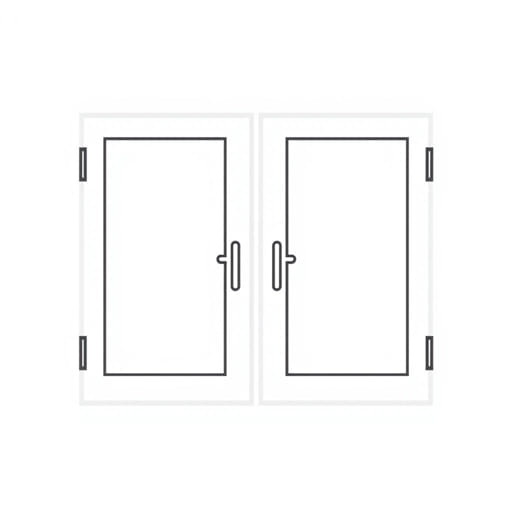
When it comes to designing a home with both function and style in mind, choosing the right window type is crucial. Double casement windows, which open outward from a central frame using side-mounted hinges, are a popular choice due to their elegant design and practicality. One of the most important considerations when installing these windows is size. Understanding double casement window sizes helps homeowners, builders, and architects make better decisions for ventilation, aesthetics, and natural light. This topic explores standard dimensions, customization options, and why size matters in your home improvement project.
Understanding Double Casement Windows
Double casement windows are essentially two side-hinged panels that open outward like doors. They provide excellent ventilation, unobstructed views, and a clean, modern appearance. Because each sash operates independently, they are particularly efficient for airflow control. These windows can be used in a variety of room types, including kitchens, living rooms, bedrooms, and even basements.
Common Features of Double Casement Windows
- Dual operable sashes
- Side hinges with crank or lever mechanisms
- Central vertical frame separating the two panels
- Energy-efficient sealing and locking systems
- Available in wood, vinyl, aluminum, and fiberglass materials
Standard Double Casement Window Sizes
Most window manufacturers follow certain industry-standard sizes to streamline production and fit common architectural dimensions. While custom options are always available, it helps to begin with an understanding of the most typical sizes on the market.
Width Dimensions
The width of a double casement window typically ranges from 36 inches to 72 inches. Standard increments are often offered at:
- 36 inches (small spaces or compact rooms)
- 48 inches (average residential width)
- 60 inches (for larger rooms and more sunlight)
- 72 inches (grand openings or panoramic views)
Height Dimensions
The height of these windows also varies to suit different wall heights and visual preferences. Common height options include:
- 24 inches (above counters or in basements)
- 36 inches (standard bedroom height)
- 48 inches (provides generous light and airflow)
- 60 inches or more (used in tall walls or large open rooms)
How to Measure for Double Casement Window Installation
Accurate measurements are vital to ensuring your window fits securely and functions correctly. Here’s a basic guide to measuring for a double casement window:
Step-by-Step Measuring Process
- Step 1: Measure the width from the inside edge of one side jamb to the other, at three points top, middle, and bottom. Use the smallest measurement.
- Step 2: Measure the height from the window sill to the top jamb, again in three places. Use the shortest height.
- Step 3: Confirm the squareness by measuring diagonally from corner to corner. If the diagonals match, the window opening is square.
Customizing Double Casement Window Sizes
In some cases, standard window sizes may not fit your design goals. Fortunately, many manufacturers offer custom sizing. This is especially useful for:
- Older homes with irregular openings
- Modern architecture requiring unique window placements
- Commercial spaces that need larger or more dramatic window installations
While custom windows are typically more expensive, they allow for greater creative freedom and often improve the appearance and energy efficiency of a building.
Benefits of Choosing the Right Size
Selecting the right size of double casement window brings several key advantages. It improves not only the aesthetic harmony of your space but also its overall comfort and efficiency.
Increased Natural Light
Larger window sizes allow more sunlight to enter the room, reducing the need for artificial lighting and creating a brighter, more inviting atmosphere.
Enhanced Ventilation
Properly sized casement windows can improve airflow by capturing breezes more effectively, especially when placed across from each other in a room.
Energy Efficiency
A well-sized window fits snugly into the wall opening, reducing air leakage and improving insulation. Combined with energy-efficient glass and weather stripping, this can lead to significant energy savings.
Improved Aesthetic Appeal
A double casement window that’s proportionate to the room and wall size enhances the architectural balance of both interiors and exteriors. Oversized windows can create a dramatic effect, while compact ones may provide a cozy and classic feel.
Window Frame Materials and Their Impact on Size
The material used for the window frame can also affect the maximum size available. Different materials have unique strengths and limitations when it comes to supporting glass and handling pressure.
Common Materials for Double Casement Windows
- Vinyl: Affordable and low-maintenance; best for standard sizes
- Wood: Offers a classic look and can be custom-sized more easily
- Aluminum: Stronger, allowing for thinner frames and larger panes
- Fiberglass: Excellent strength-to-weight ratio, suitable for wider and taller windows
Installation Considerations
Before choosing a window size, it’s important to think about the installation process. Oversized windows may require structural reinforcement or professional installation, while standard sizes often fit into pre-framed openings more easily.
Professional Installation vs DIY
While small- to medium-sized double casement windows can be installed by an experienced DIYer, larger or custom-sized units should be handled by professionals. Accurate fitting and sealing are essential to prevent leaks and ensure smooth operation.
Choosing the Best Size for Your Needs
Double casement window sizes range from compact to expansive, offering flexibility for virtually every design requirement. Whether you’re replacing old windows or planning new construction, knowing the right width and height options helps you achieve the ideal balance of form, function, and energy performance. From enhancing your view to improving ventilation and boosting curb appeal, properly sized double casement windows can make a significant difference in your living space.
When selecting or customizing a double casement window, take time to assess your space, architectural style, and energy goals. With accurate measurements and thoughtful planning, you can enjoy the lasting benefits of beautiful, functional windows that elevate any room.