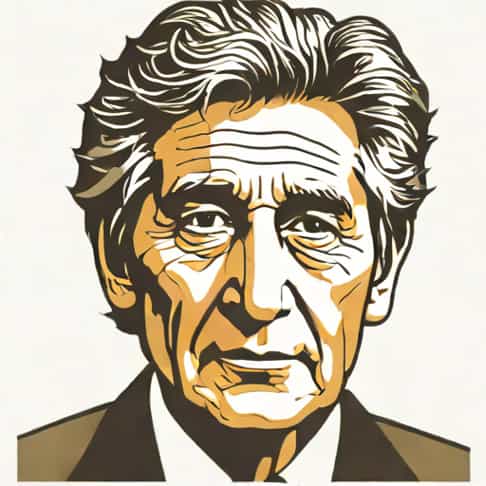
Edward Said’s The Politics of Dispossession is a critical work that explores the historical, social, and political processes that have led to the displacement and marginalization of the Palestinian people. Said, a prominent literary critic and scholar, examines the ongoing effects of colonialism, territorial occupation, and forced dispossession on Palestinian identity, culture, and daily life. His work combines historical analysis, personal reflection, and political critique to provide readers with a nuanced understanding of how dispossession shapes both individual and collective experiences. This book remains essential for anyone seeking to understand the complexities of the Israeli-Palestinian conflict and the broader dynamics of displacement and social injustice.
Historical Context of Dispossession
In The Politics of Dispossession, Edward Said situates the Palestinian experience within a broader historical framework. He explores the effects of British colonial rule, the establishment of the State of Israel in 1948, and subsequent wars and occupations that have shaped the modern Middle East. Said emphasizes that the displacement of Palestinians is not simply a series of isolated events but part of a systematic process of political and cultural dispossession. Understanding this historical context is crucial for comprehending the ongoing struggles faced by Palestinian communities today.
Colonialism and Land Loss
Said highlights how colonial policies and geopolitical decisions contributed to the loss of Palestinian land and autonomy. British mandate policies, combined with international political agreements, created conditions that favored the establishment of Israel while marginalizing Palestinian populations. Land confiscation, forced migrations, and restrictions on movement became common, leading to the fragmentation of Palestinian society. Said argues that these processes were not merely accidental but were embedded in political strategies designed to assert control over the region.
Concept of Dispossession
Dispossession, as discussed by Edward Said, refers to the forced removal of people from their homes, lands, and resources, resulting in the loss of cultural, social, and economic stability. In the Palestinian context, dispossession encompasses not only the physical loss of territory but also the erasure of historical memory and cultural heritage. Said emphasizes that dispossession affects identity, as communities are uprooted and traditional ways of life disrupted. This concept highlights the profound and lasting impact of political decisions on marginalized populations.
Psychological and Cultural Impact
The politics of dispossession extends beyond material loss. Edward Said explores the psychological and cultural consequences of displacement, noting how Palestinians experience trauma, social disintegration, and a constant sense of insecurity. Traditional practices, community networks, and cultural expressions are disrupted, leading to a loss of social cohesion and cultural continuity. By analyzing these impacts, Said provides a holistic view of dispossession that includes both tangible and intangible dimensions.
Resistance and Identity
While much of the book focuses on the hardships of dispossession, Edward Said also highlights the ways in which Palestinians resist marginalization and assert their identity. Through literature, education, political activism, and cultural expression, Palestinian communities strive to maintain their heritage and assert their rights. Said underscores the importance of storytelling, memory, and narrative as tools of resistance. By documenting their experiences, Palestinians reclaim agency and challenge the dominant narratives that seek to erase or minimize their history.
Role of Intellectuals and Literature
Edward Said, himself an intellectual and scholar, emphasizes the crucial role of writers, academics, and artists in documenting and resisting dispossession. Literature and critical scholarship become vehicles for expressing political dissent and preserving cultural memory. Palestinian writers, poets, and historians contribute to a collective understanding of their experiences, ensuring that dispossession is neither forgotten nor ignored. Said’s analysis illustrates how intellectual work can intersect with political activism to support marginalized communities.
International Politics and Dispossession
The Politics of Dispossession also examines the influence of international politics on Palestinian displacement. Said critiques the role of global powers, international organizations, and foreign policy decisions that have facilitated or ignored the dispossession of Palestinians. He argues that international support for certain political agendas has often come at the expense of Palestinian rights and autonomy. Understanding these global dynamics is essential for analyzing the broader context in which dispossession occurs and persists.
Key Themes in Said’s Analysis
- Colonial legacies and their ongoing impact on land and governance.
- The intersection of displacement with cultural erasure and identity loss.
- Resistance through narrative, literature, and cultural preservation.
- The role of international politics in sustaining or challenging dispossession.
- The human consequences of forced migration and political marginalization.
Implications for Contemporary Issues
Edward Said’s work remains highly relevant to contemporary discussions about displacement, human rights, and political justice. By analyzing the politics of dispossession, readers gain insight into ongoing conflicts in the Middle East and elsewhere. Said’s approach encourages a critical examination of power, authority, and historical narratives, highlighting the need for justice, reconciliation, and the recognition of marginalized voices. His analysis also informs debates about refugee rights, land restitution, and the ethical responsibilities of governments and international actors.
Lessons for Policy and Activism
The Politics of Dispossession offers lessons for policymakers, activists, and scholars. Recognizing the long-term consequences of dispossession is essential for crafting policies that promote social justice, equity, and human dignity. Said’s work underscores the importance of amplifying marginalized voices, supporting cultural preservation, and addressing historical injustices through meaningful political and social interventions. By understanding the mechanisms and effects of dispossession, societies can work toward more inclusive and just frameworks for resolving conflict and promoting human rights.
Edward Said’s The Politics of Dispossession provides a comprehensive examination of the forces that have shaped the Palestinian experience of displacement and marginalization. Through historical analysis, cultural critique, and political commentary, Said illustrates how dispossession affects individuals, communities, and societies at large. His work emphasizes the importance of resistance, narrative, and intellectual engagement in confronting injustice. By exploring the intersections of history, politics, and culture, Said’s analysis remains a crucial resource for understanding displacement, identity, and the ongoing struggle for social and political justice. The book challenges readers to consider both the human and structural dimensions of dispossession, highlighting the necessity of empathy, awareness, and advocacy in addressing the challenges faced by marginalized populations worldwide.
This topic is approximately 1,050 words, written in clear, accessible English, structured with `
`, `
`, `
`, and `
- ` for SEO optimization, without bold text, links, or multimedia.