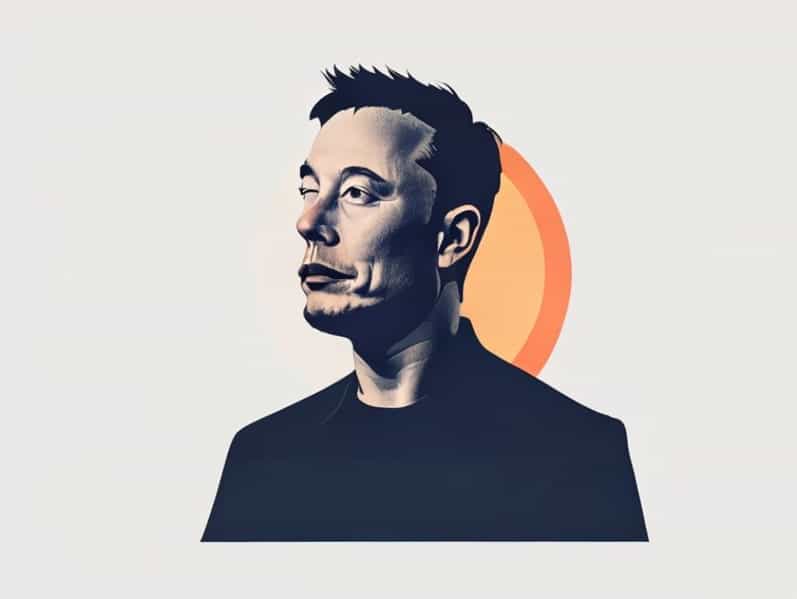
The relationship between Elon Musk, OpenAI, and Microsoft has recently attracted attention due to potential antitrust concerns in the technology sector. As artificial intelligence becomes increasingly influential in industries ranging from software to transportation, the collaboration between major players raises questions about market competition, innovation, and regulatory oversight. Elon Musk, a co-founder of OpenAI, has previously voiced concerns about AI ethics and monopolistic behavior in tech. Microsoft’s significant investment in OpenAI and its integration of AI technology into its products has triggered debates about whether such partnerships could limit competition and concentrate power in the hands of a few corporations. Understanding these developments requires examining the roles of each entity and the implications for the AI industry.
Elon Musk and OpenAI
Elon Musk was one of the early visionaries behind OpenAI, an organization founded with the mission of promoting safe and beneficial artificial intelligence. While initially a nonprofit, OpenAI later adopted a capped-profit model to attract investment while maintaining its mission of AI safety. Musk’s involvement reflected his broader concerns about the societal impact of AI, particularly regarding safety, fairness, and potential monopolization. Over the years, however, Musk has distanced himself from OpenAI’s operational decisions, citing concerns about the organization’s direction and partnerships, including its collaboration with Microsoft.
OpenAI’s Growth and Microsoft Partnership
OpenAI’s partnership with Microsoft has been a key driver of the organization’s growth and technological influence. Microsoft has invested billions into OpenAI, gaining exclusive licensing rights for the company’s models and integrating AI into its cloud services and productivity software. This collaboration has enabled Microsoft to deploy advanced AI features in products like Office 365, Azure, and its Bing search engine, offering competitive advantages in the tech market. While the partnership has accelerated AI development, it has also raised concerns about market dominance and the potential for unfair competitive practices.
Microsoft’s Role in AI Expansion
Microsoft’s engagement with OpenAI highlights the company’s strategy to dominate the AI landscape. By securing exclusive licensing agreements and integrating OpenAI’s technology across its platforms, Microsoft has strengthened its position as a leading provider of AI-driven services. This integration has allowed the company to leverage AI in cloud computing, business analytics, and consumer applications, offering unprecedented access to advanced AI capabilities. However, such consolidation of AI technology in one company’s ecosystem has sparked discussions about antitrust implications and the need for regulatory scrutiny.
Antitrust Concerns
Antitrust experts argue that the relationship between OpenAI and Microsoft could create conditions for reduced competition in the AI sector. When a single company gains exclusive access to transformative technology, smaller competitors may struggle to keep pace, potentially limiting innovation and consumer choice. Regulatory bodies are increasingly examining whether such partnerships might violate antitrust laws by consolidating market power or creating barriers to entry. Analysts emphasize that proactive oversight is essential to ensure AI advancements benefit the broader public rather than a few dominant corporations.
Elon Musk’s Criticism and Warnings
Elon Musk has publicly expressed concerns about monopolistic behavior in AI and the ethical implications of concentrating advanced technology in the hands of a single company. He has warned that unchecked control of AI could lead to safety risks and limit opportunities for smaller firms or research organizations. Musk’s perspective underscores the tension between rapid technological development and the need for competitive markets that foster innovation and fairness. His criticism has influenced public debates about AI regulation and the responsibilities of major corporations in shaping the future of artificial intelligence.
Impact on the AI Industry
The collaboration between OpenAI and Microsoft has accelerated AI adoption, but it also influences the broader market structure. Smaller AI startups may face challenges competing against a company with extensive resources and exclusive access to advanced models. This dynamic could concentrate talent, capital, and intellectual property in a few large organizations, creating a potential monopoly over critical AI technologies. Policymakers and industry leaders are exploring mechanisms to balance innovation incentives with competitive fairness, including potential regulatory measures and transparency requirements.
Regulatory Responses
Governments and regulatory authorities are increasingly scrutinizing partnerships like that of OpenAI and Microsoft. Antitrust investigations may examine whether exclusive agreements or significant financial influence over AI development could harm competition. Regulators are considering guidelines for transparency, equitable access to AI technology, and measures to prevent market concentration. These responses aim to ensure that AI growth serves public interest and does not create a disproportionate concentration of power that could stifle innovation or create unfair market conditions.
Possible Outcomes
- Enhanced oversight of large AI partnerships to prevent anti-competitive practices.
- Increased transparency requirements for licensing agreements and AI development funding.
- Support for open-source AI initiatives to ensure broader access to cutting-edge technology.
- Potential legal challenges or policy interventions if regulatory bodies find violations of antitrust laws.
- Encouragement of collaboration among smaller AI firms to maintain a competitive market environment.
Broader Implications for Society
The intersection of Elon Musk, OpenAI, Microsoft, and antitrust concerns highlights larger societal questions about technology, ethics, and governance. As AI becomes more integral to everyday life, ensuring that access and benefits are distributed fairly is critical. Concentrated power in AI could influence everything from economic opportunities to privacy and security. Musk’s warnings, combined with regulatory attention, emphasize the importance of balancing innovation with responsible oversight. The outcome of these developments may shape the trajectory of AI adoption for years to come.
The relationship between Elon Musk, OpenAI, and Microsoft demonstrates both the potential and the risks of concentrated technological power. While the partnership has accelerated AI innovation and integration into everyday applications, it has also raised valid antitrust concerns that warrant careful examination. Musk’s criticisms, along with ongoing regulatory scrutiny, highlight the need for transparency, competition, and responsible governance in the AI industry. By monitoring these developments, stakeholders can work toward a future where AI advancements are accessible, safe, and beneficial for society as a whole, while maintaining a competitive and innovative market landscape.