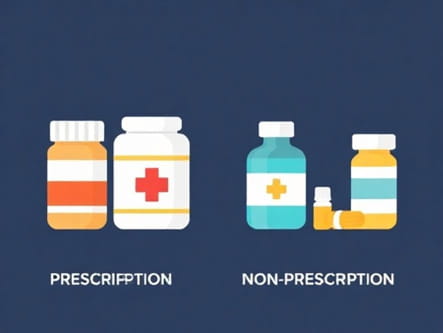
In today’s world, medications play a crucial role in maintaining health, managing illnesses, and improving overall quality of life. Drugs can be broadly categorized into two main types prescription and nonprescription. Understanding the differences between these categories, their uses, and examples is essential for safe and effective use. Prescription and nonprescription drugs serve unique purposes, are regulated differently, and require varying levels of medical oversight. Awareness of these distinctions helps individuals make informed decisions about their healthcare and avoid potential risks associated with improper drug use.
Prescription Drugs
Prescription drugs, also known as legend drugs, are medications that require a doctor’s authorization before they can be obtained. These drugs are regulated due to their potential for side effects, interactions with other medications, or misuse. Prescription drugs are used to treat a wide range of conditions, from acute infections to chronic diseases, and are often more potent than nonprescription alternatives. Because they require professional supervision, the prescriber assesses the patient’s medical history, the appropriate dosage, and potential contraindications before initiating treatment.
Common Examples of Prescription Drugs
- AntibioticsMedications such as amoxicillin, ciprofloxacin, and azithromycin are used to treat bacterial infections. They require a prescription to ensure correct usage and prevent antibiotic resistance.
- AntidepressantsDrugs like sertraline, fluoxetine, and citalopram are prescribed to manage depression, anxiety, and related mood disorders. Close monitoring by a healthcare provider is necessary due to potential side effects.
- AntihypertensivesMedications such as lisinopril, amlodipine, and losartan are used to control high blood pressure. Regular follow-up is important to monitor blood pressure levels and kidney function.
- Diabetes MedicationsInsulin and oral hypoglycemics like metformin and glipizide are used to manage blood sugar levels in diabetic patients.
- Pain ManagementOpioids like hydrocodone and oxycodone are prescribed for moderate to severe pain under strict supervision due to their potential for addiction.
- Cholesterol-Lowering AgentsStatins such as atorvastatin and simvastatin are used to manage cholesterol and reduce cardiovascular risk.
Importance of Prescription Drugs
Prescription drugs play a vital role in treating serious health conditions and preventing complications. They are typically stronger and more targeted than nonprescription medications. Using prescription drugs without medical guidance can be dangerous, leading to adverse reactions, ineffective treatment, or worsening of the condition. Healthcare providers ensure that these medications are used safely, adjusting doses as necessary and monitoring for side effects or drug interactions.
Nonprescription Drugs
Nonprescription drugs, commonly called over-the-counter (OTC) medications, are available without a doctor’s prescription. These drugs are considered safe for use in the general population when taken according to the label instructions. OTC drugs are commonly used for minor illnesses or temporary symptoms such as headaches, colds, allergies, or mild pain. Despite being more accessible, nonprescription drugs can still have side effects or interact with other medications, so careful adherence to instructions is essential.
Common Examples of Nonprescription Drugs
- Pain RelieversAcetaminophen and ibuprofen are widely used to reduce fever, headaches, and minor aches. They are generally safe when used as directed.
- Cold and Flu MedicationsProducts containing pseudoephedrine, phenylephrine, or dextromethorphan help relieve symptoms such as nasal congestion, cough, and runny nose.
- AntihistaminesMedications like loratadine, diphenhydramine, and cetirizine are used to manage allergies, hay fever, and mild skin reactions.
- Gastrointestinal RemediesAntacids, simethicone, and loperamide are used to treat heartburn, bloating, and diarrhea.
- Topical MedicationsCreams and ointments containing hydrocortisone or benzoyl peroxide are used for skin conditions such as rashes, eczema, or acne.
- Vitamins and SupplementsMultivitamins, vitamin C, and calcium supplements are widely available to support general health.
Advantages of Nonprescription Drugs
Nonprescription drugs offer convenience and accessibility, allowing individuals to manage minor health concerns quickly. They are generally safe for short-term use, cost-effective, and readily available in pharmacies and stores. OTC medications empower people to take an active role in managing their health, provided they follow usage instructions and consider potential interactions with other drugs.
Key Differences Between Prescription and Nonprescription Drugs
While both prescription and nonprescription drugs aim to improve health and treat illness, there are several key differences
- RegulationPrescription drugs are tightly regulated and require a doctor’s approval, whereas nonprescription drugs are considered safe for general use without supervision.
- PotencyPrescription drugs tend to be stronger and more targeted, suitable for serious or chronic conditions. OTC drugs are generally milder and used for minor symptoms.
- MonitoringPrescription drugs require ongoing monitoring for effectiveness and side effects, while OTC drugs usually do not.
- Risk of MisusePrescription drugs carry a higher risk of misuse or dependency, whereas OTC drugs are generally lower risk but can still cause harm if overused.
- AvailabilityNonprescription drugs are readily available at pharmacies, grocery stores, and online, whereas prescription drugs require a healthcare provider’s authorization.
Safe Use of Prescription and Nonprescription Drugs
Regardless of the type of medication, safe use is essential. Patients should always read labels, follow dosage instructions, and consult healthcare providers when needed. For prescription drugs, adherence to the prescribed regimen is crucial to achieve the desired therapeutic effect and avoid complications. For nonprescription drugs, users should avoid exceeding recommended doses and be aware of potential interactions with other medications or underlying health conditions. Keeping an updated list of all medications taken can help healthcare providers make informed recommendations and prevent adverse events.
Combining Prescription and Nonprescription Drugs
Many people use both prescription and nonprescription drugs simultaneously. While this is often safe, there is a potential for drug interactions that can reduce effectiveness or cause harmful side effects. For instance, combining certain pain relievers with blood thinners can increase the risk of bleeding. Consulting a healthcare provider or pharmacist before combining medications ensures safety and maximizes therapeutic benefits.
Understanding the differences between prescription and nonprescription drugs, as well as their examples and uses, is critical for safe and effective healthcare management. Prescription drugs are used for serious or chronic conditions under medical supervision, including antibiotics, antidepressants, and antihypertensives. Nonprescription drugs, such as pain relievers, antihistamines, and cold medications, are accessible without a prescription and are suitable for minor ailments. Both types of drugs require careful consideration of dosage, interactions, and potential side effects. By being informed about these medications, individuals can make responsible choices, optimize their health, and prevent adverse outcomes, ultimately promoting overall well-being and safety.