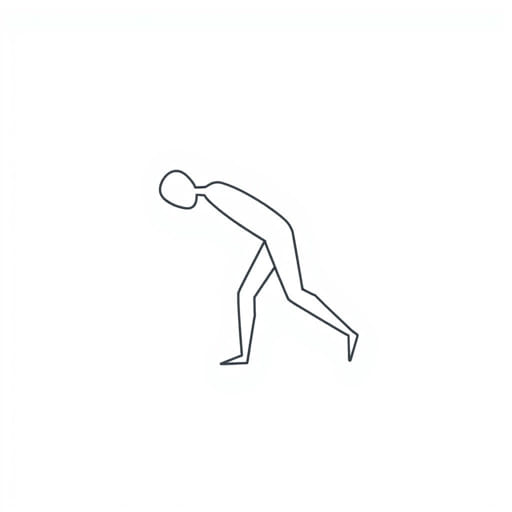
In the realm of crossword puzzles, clues that describe actions or behaviors often demand both a literal and idiomatic understanding. A clue like Excessively strain oneself falls squarely into this category. At first glance, it appears to ask for a simple verb. But for crossword solvers, the challenge lies in pinpointing the exact phrase or word that captures the idea of pushing oneself too hard whether physically, mentally, or emotionally. Recognizing common idioms, synonyms, and expressions is key to solving this clue accurately and efficiently.
Understanding the Clue: Excessively Strain Oneself
This clue implies going beyond one’s limits. The focus is on excessive effort, which may be unnecessary or even harmful. The clue doesn’t just refer to trying hard it suggests an overextension of energy or willpower. This nuance is what guides the solver toward a more specific and expressive answer, often in idiomatic form.
Key elements of the clue
- Excessively suggests overdoing something.
- Strain indicates stress, tension, or burden.
- Oneself confirms that the subject is applying this pressure to their own body or mind.
With these clues combined, the answer is likely to be a common phrase or single verb that evokes self-imposed pressure or overexertion.
Most Likely Answer: Overdo
Overdois the most straightforward and frequently used answer in crosswords for this clue. As a verb, it means to do something to an excessive degree, whether it’s working, exercising, worrying, or trying. It fits perfectly within the context of excessively strain oneself because it captures both the intensity and the self-directed nature of the effort.
Why Overdo fits
- It’s concise and crossword-friendly (7 letters).
- It reflects both mental and physical overexertion.
- It matches the tone of the clue serious but not slangy.
For example, someone might say, Don’t overdo it at the gym, which implies the exact idea behind this crossword clue straining oneself too much.
Alternative Answers in Crossword Contexts
Depending on the crossword puzzle’s structure, difficulty level, and grid size, other answers might also be valid for this clue. Below are some other terms that occasionally appear in puzzles with similar wording or intent:
1. Overtax
Overtaxmeans to place too great a burden on something or someone, particularly with regard to physical or mental capacity. It’s often used in a more formal or technical context, but it’s common in crosswords when the answer must be longer than overdo.
2. Overexert
Overexertis a direct synonym and often shows up in puzzles with a health or fitness theme. It describes pushing oneself too hard, particularly in physical activity.
3. Overstrain
Overstrainemphasizes the physical or emotional toll of too much effort. It appears in themed or more complex puzzles and has the same general meaning as overexert.
4. Push
Pushis a short and simple answer sometimes clued with phrases like strain or try hard. It only fits if the puzzle allows for a broad interpretation or shorter answer. However, it may not capture the excessively part unless paired with modifiers like too far.
5. Tryhard (slang)
Tryhardis an informal or internet slang term used to describe someone who strains too much for success or approval. It’s less likely in traditional puzzles but may appear in modern, pop culture-themed crosswords.
Answer Selection Based on Letter Count
Every crossword puzzle gives clues about the length of the answer. Use this information to narrow down your options. Here’s a breakdown based on answer length:
- 4 letters:Push
- 6 letters:Tryhard(informal, modern)
- 7 letters:Overdo
- 8 letters:Overtax, Overstrain
- 9 letters:Overexert
Using cross letters from intersecting clues will also help eliminate incorrect possibilities and confirm the right one.
Common Clue Variations
Crossword editors like to keep solvers on their toes by rephrasing clues. Here are several alternate clues that might lead to the same answer as excessively strain oneself:
- Go too far physically
- Work beyond capacity
- Put forth too much effort
- Try too hard
- Push past the limit
Recognizing these variations helps build crossword-solving intuition and increases your accuracy on future puzzles.
Crossword Strategy for This Clue Type
When solving emotionally or physically expressive clues like this one, keep the following tips in mind:
1. Think Idiomatically
Crosswords often use idioms or phrases rather than purely literal terms. If a clue sounds expressive, consider common sayings like overdo it or burn out.
2. Use Cross Letters Immediately
Plug in any letters you already have from other clues to instantly rule out or confirm certain possibilities. For example, if your third letter is E and the word is 7 letters long, overdo fits the structure.
3. Watch for Tense and Form
If the clue is in the present tense, so should be the answer e.g., overdo, not overdid. Plural forms or gerunds should only be used if the clue suggests them.
4. Don’t Be Thrown by Formality
This clue may seem formal (strain oneself), but the answer can be idiomatic or informal depending on the puzzle’s overall tone. Adjust your vocabulary expectations accordingly.
Why This Clue Appears Frequently
Clues like excessively strain oneself appear regularly because they tie into universal human experiences: trying too hard, working too much, pushing limits. These behaviors are common and relatable, making the clue accessible even to casual solvers. Moreover, answers like overdo or overexert are versatile, with clear meanings and letter combinations that fit nicely in puzzle grids.
They also appeal to a broad audience, from fitness enthusiasts to overworked students reinforcing the idea that language in crosswords reflects real-life situations and concerns.
The crossword clueExcessively strain oneselftaps into a familiar concept of going beyond one’s limits. The most common answer,overdo, provides a concise and accurate response, perfectly fitting both the clue’s tone and intent. Depending on the puzzle, other answers like overtax, overstrain, or overexert may also apply. By paying attention to letter counts, clue structure, and surrounding entries, solvers can easily pinpoint the right word. Understanding this clue not only sharpens crossword-solving skills but also reflects our everyday relationship with effort, pressure, and knowing when to pause.