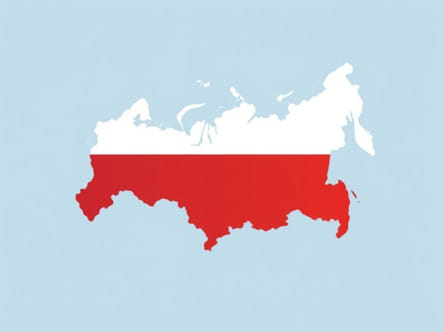
Throughout history, Russia has maintained a unique and sometimes precarious position on the global stage. Stretching across two continents and bordered by multiple nations, Russia’s geographic size and natural resources provide both strategic strengths and logistical challenges. In modern geopolitical and economic competition, Russia often operates from what some analysts describe as advantageous ground. This term refers not only to physical geography but also to energy resources, military positioning, and strategic partnerships. Understanding how Russia leverages its strengths while navigating the risks of overextension is key to comprehending its role in global affairs today.
Geographical Depth and Strategic Buffer Zones
Russia is the largest country in the world by land area, spanning over 17 million square kilometers. This vastness gives Russia a strategic advantage in defense, logistics, and regional influence. The ability to retreat and absorb invasions, as seen in its history with Napoleon and Hitler, has shaped Russian military doctrine and national identity.
Natural Geographic Barriers
Several natural features serve as protective barriers for Russia
- MountainsThe Caucasus and Ural Mountains provide natural defense lines to the south and west.
- Forests and SwampsThese features have historically hindered invading forces, especially during winter.
- Arctic AccessNorthern ports offer access to the Arctic Ocean, increasingly valuable due to melting sea ice and untapped resources.
This geography offers both defensive depth and a platform for influence in neighboring regions, from Eastern Europe to Central Asia.
Energy Leverage and Resource Control
Russia is a leading global exporter of oil and natural gas. These resources give it significant influence over countries that rely on imported energy. Europe’s historical dependence on Russian gas pipelines illustrates how energy can be used both as a tool of cooperation and coercion.
Pipeline Diplomacy
Russia’s control over energy transport routes, such as Nord Stream and the Druzhba pipeline, gives it leverage in negotiations and conflicts. By adjusting supply levels or prices, Russia can pressure or reward other countries based on its interests.
Resource Wealth and Economic Power
In addition to hydrocarbons, Russia holds significant reserves of
- Coal and uranium
- Precious metals like palladium and platinum
- Timber and freshwater reserves
These resources contribute to national revenue and strengthen Russia’s bargaining power in global markets, particularly when demand rises or supply is disrupted elsewhere.
Military Reach and Modernization
Russia maintains one of the most powerful military forces in the world. It has heavily invested in modernizing its armed forces, focusing on strategic missile systems, cyber capabilities, and Arctic warfare readiness. These efforts aim to project power beyond its borders and deter foreign intervention.
Strategic Locations and Presence
- KaliningradA militarized enclave in Eastern Europe, giving Russia access to NATO’s flank.
- CrimeaAnnexed in 2014, provides naval dominance in the Black Sea.
- Arctic BasesReinforced for economic and military control in the rapidly changing north.
These positions allow Russia to monitor NATO activity, respond quickly to regional conflicts, and secure key maritime routes.
Diplomatic Maneuvering and Alliances
Russia uses diplomacy to expand its influence while reducing isolation. It often engages in strategic partnerships with countries disillusioned by Western dominance. These relationships help Russia gain access to markets, military bases, and political support.
Examples of Strategic Engagement
- ChinaEconomic and military collaboration, particularly in energy and regional security.
- Iran and SyriaMilitary cooperation and anti-Western alliances.
- India and BRICS NationsTrade agreements and joint infrastructure initiatives.
These alliances allow Russia to present itself as a counterbalance to the West, especially in regions where Western influence is waning or contested.
Risks of Overextension
Despite these advantages, Russia’s efforts to extend influence carry risks. Maintaining military operations abroad, managing economic sanctions, and suppressing domestic dissent all require resources. The strain of overextension can weaken internal stability and expose vulnerabilities.
Economic Sanctions and Global Isolation
Western sanctions, especially following the invasion of Ukraine, have targeted Russian banks, exports, and individuals. While Russia has adapted through self-reliance and alternative trade, the long-term effects include inflation, reduced investment, and a shrinking consumer market.
Population and Workforce Challenges
Russia faces demographic decline due to low birth rates and high emigration among skilled professionals. This trend threatens the sustainability of its workforce and limits innovation in key industries like technology and defense.
Military and Political Commitments
Involvement in conflicts like Syria and Ukraine stretches military resources and provokes international condemnation. Additionally, maintaining control over disputed regions requires ongoing security and political attention.
Technology and Cyber Capabilities
One of Russia’s modern strengths lies in cyber warfare and digital intelligence. Its cybersecurity units are believed to be among the most advanced, capable of disrupting enemy infrastructure, elections, and communications.
Cyber Influence as a Modern Tool
- Hacking government and private institutions
- Spreading disinformation via social media
- Targeting energy grids and financial systems
These tools give Russia asymmetric power, allowing it to compete with more economically or militarily powerful nations without direct confrontation.
Russia’s Long-Term Strategy
By competing from advantageous ground, Russia seeks to ensure its sovereignty, regional influence, and global relevance. Rather than challenging the world order directly, it leverages strengths geographic, economic, military, and diplomatic to carve a sphere of influence where it can operate with minimal interference.
Balancing Power and Resistance
Russia’s strategy is not without resistance. NATO expansion, sanctions, and growing alliances among Western-aligned nations create obstacles. Still, Russia continues to test boundaries and seek areas where its advantages can be most effectively applied.
Extending Russia’s influence while competing from advantageous ground is a calculated endeavor. It involves using geographic depth, energy resources, strategic diplomacy, and military modernization to maintain a position of power. However, this strategy comes with internal and external challenges, including the risk of overreach, demographic decline, and international resistance. Understanding this balance is crucial to interpreting Russia’s current actions and anticipating its future moves on the global stage. The country may be acting from a position of strength, but sustaining that advantage requires constant adaptation and resilience in the face of shifting global dynamics.