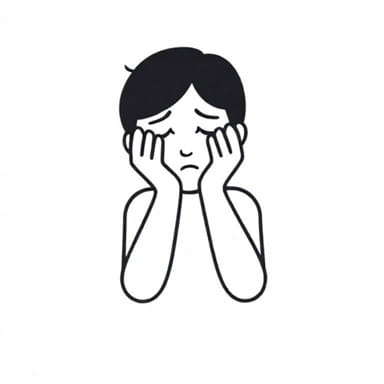
F33.1, classified under the ICD-10 coding system, refers to recurrent major depressive disorder, current episode moderate. This mental health condition is characterized by repeated episodes of depression that significantly impact an individual’s daily functioning, emotional wellbeing, and overall quality of life. Unlike a single episode of depression, recurrent major depressive disorder involves multiple episodes over a period, with periods of remission in between. Understanding the symptoms, causes, diagnosis, and treatment options for F33.1 is essential for patients, caregivers, and healthcare professionals to ensure effective management and improved outcomes.
Understanding F33.1 Major Depressive Disorder
F33.1, or recurrent major depressive disorder, is a mood disorder that affects a person’s thoughts, feelings, behavior, and physical health. The condition is considered moderate, meaning that the symptoms are significant but may not completely incapacitate the individual. Episodes typically last for weeks to months, and without proper treatment, the frequency and severity of episodes may increase over time. The condition is distinct from other mood disorders due to its recurrent nature and specific symptom pattern.
Key Symptoms of F33.1
The symptoms of recurrent major depressive disorder can vary, but common manifestations include
- Persistent sadness or low moodIndividuals often feel hopeless, empty, or tearful most of the day.
- Loss of interest or pleasureActivities that were once enjoyable may no longer bring satisfaction.
- Fatigue or low energyA marked decrease in energy, making everyday tasks challenging.
- Changes in appetite or weightSignificant weight loss or gain due to changes in eating habits.
- Sleep disturbancesInsomnia or hypersomnia that affects daily functioning.
- Difficulty concentratingImpaired decision-making and reduced cognitive performance.
- Feelings of guilt or worthlessnessExcessive self-blame and negative self-perception.
- Physical symptomsHeadaches, digestive issues, or unexplained aches may occur.
- Thoughts of death or suicideIn severe cases, recurrent depressive episodes can lead to suicidal ideation.
Causes and Risk Factors
The development of F33.1 major depressive disorder is influenced by a combination of genetic, biological, psychological, and environmental factors. While the exact cause is complex, several risk factors have been identified
Genetic Predisposition
A family history of depression increases the likelihood of developing recurrent depressive episodes. Genetic factors may influence neurotransmitter function and stress response, making some individuals more vulnerable.
Biological Factors
Imbalances in brain chemicals, particularly serotonin, norepinephrine, and dopamine, can contribute to the development of depressive symptoms. Hormonal changes, inflammation, and chronic medical conditions may also play a role.
Psychological Factors
Personality traits such as low self-esteem, high sensitivity to stress, or negative thinking patterns can increase susceptibility. Previous traumatic experiences or prolonged stressors may trigger recurrent episodes.
Environmental Factors
Life events such as loss, financial difficulties, social isolation, or occupational stress can contribute to the onset and recurrence of depressive episodes. Support systems and coping mechanisms influence the course of the disorder.
Diagnosis of F33.1
Diagnosis of recurrent major depressive disorder requires a thorough evaluation by a mental health professional. Criteria include a history of multiple depressive episodes and current symptom severity consistent with a moderate episode. The assessment typically involves
- Detailed clinical interview covering psychiatric and medical history.
- Evaluation of mood, behavior, cognition, and physical symptoms.
- Use of standardized assessment tools such as the Hamilton Depression Rating Scale or the Patient Health Questionnaire (PHQ-9).
- Exclusion of other medical conditions or substance use that may mimic depressive symptoms.
Differentiating F33.1 from Other Disorders
It is important to distinguish recurrent major depressive disorder from bipolar disorder, persistent depressive disorder (dysthymia), and situational depression. Accurate diagnosis ensures appropriate treatment planning and reduces the risk of mismanagement.
Treatment Options
Effective management of F33.1 major depressive disorder typically involves a combination of pharmacological and non-pharmacological interventions tailored to the individual’s needs. Treatment aims to reduce symptom severity, prevent recurrence, and improve quality of life.
Medication
- AntidepressantsSelective serotonin reuptake inhibitors (SSRIs), serotonin-norepinephrine reuptake inhibitors (SNRIs), and tricyclic antidepressants are commonly prescribed.
- Adjunctive MedicationsMood stabilizers, antipsychotics, or anxiolytics may be added for treatment-resistant or complex cases.
- Maintenance TherapyContinued medication after symptom remission can reduce the risk of future episodes.
Psychotherapy
- Cognitive Behavioral Therapy (CBT)Helps individuals identify and modify negative thought patterns and behaviors contributing to depression.
- Interpersonal Therapy (IPT)Focuses on improving relationships and social functioning.
- Mindfulness-Based Cognitive TherapyCombines mindfulness practices with cognitive techniques to reduce relapse risk.
Lifestyle and Supportive Measures
Complementary strategies can enhance treatment outcomes
- Regular physical exercise to boost mood and energy.
- Healthy sleep patterns to support overall mental health.
- Balanced nutrition with essential vitamins and minerals.
- Strong social support from family, friends, or support groups.
- Stress management techniques such as meditation, yoga, or relaxation exercises.
Prognosis and Long-Term Management
With proper treatment, many individuals with F33.1 major depressive disorder experience significant symptom improvement and can lead productive lives. However, the recurrent nature of the disorder means that ongoing monitoring and early intervention for new episodes are crucial. Relapse prevention strategies include medication adherence, regular therapy sessions, lifestyle modifications, and prompt attention to early warning signs of depression.
Preventing Recurrence
Preventing future episodes involves a proactive approach
- Maintaining long-term treatment plans recommended by healthcare providers.
- Tracking mood changes and triggers for early detection of recurrence.
- Engaging in social and recreational activities to reduce isolation.
- Regularly reviewing medications and therapy approaches with a mental health professional.
F33.1 major depressive disorder is a significant mental health condition characterized by recurrent depressive episodes of moderate severity. Understanding its symptoms, causes, diagnosis, and treatment options is critical for effective management. Early intervention, comprehensive treatment involving medication and psychotherapy, and lifestyle modifications can improve outcomes and reduce recurrence risk. Awareness and support from healthcare providers, family, and community play a crucial role in helping individuals manage F33.1, achieve symptom relief, and maintain a fulfilling and productive life despite the challenges posed by recurrent depression.