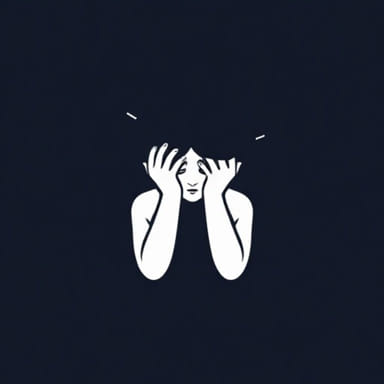
Major depressive disorder (MDD), coded as F33 in the ICD-10 classification, is a serious mental health condition that affects millions of individuals worldwide. It is characterized by persistent feelings of sadness, loss of interest in daily activities, and a range of emotional and physical symptoms that interfere with daily functioning. Unlike temporary sadness, major depressive disorder is long-lasting and can significantly impair social, occupational, and personal life. Understanding F33, its symptoms, causes, and treatment options is crucial for early intervention and effective management of this condition.
Understanding F33 Major Depressive Disorder
F33 in the ICD-10 refers to recurrent episodes of major depressive disorder. This classification is used by healthcare professionals to identify and document recurrent depressive episodes, ensuring appropriate treatment and follow-up. Individuals diagnosed with F33 often experience multiple depressive episodes, with periods of remission in between. The condition is not simply a single episode of depression but rather a chronic or recurring mental health disorder that requires ongoing management.
Symptoms of Major Depressive Disorder
The symptoms of MDD can vary in intensity and duration but generally include emotional, cognitive, and physical aspects. Common signs include
- Persistent sadness, emptiness, or feelings of hopelessness
- Loss of interest or pleasure in activities once enjoyed
- Changes in appetite or weight, either increase or decrease
- Sleep disturbances, such as insomnia or oversleeping
- Fatigue or lack of energy
- Difficulty concentrating, making decisions, or remembering details
- Feelings of worthlessness or excessive guilt
- Recurrent thoughts of death or suicide
Recurrent Episodes
The F33 classification specifically highlights the recurring nature of depressive episodes. A person with F33 may experience periods of relative normalcy or remission, followed by new episodes of major depression. These episodes can be triggered by stress, major life events, or occur without a clear external cause. Recognizing the pattern of recurrence is essential for effective long-term management.
Causes and Risk Factors
Major depressive disorder arises from a complex interplay of biological, psychological, and environmental factors. While the exact cause varies between individuals, some common risk factors include
1. Genetic Factors
Family history of depression or other mental health disorders increases susceptibility. Genetic predisposition can influence neurotransmitter function and stress response mechanisms, contributing to depressive episodes.
2. Neurobiological Factors
Changes in brain chemistry, particularly involving neurotransmitters such as serotonin, norepinephrine, and dopamine, play a critical role in the development of MDD. Structural and functional brain differences have also been observed in affected individuals.
3. Psychological Factors
Chronic stress, low self-esteem, and maladaptive thought patterns can increase vulnerability. Trauma, childhood adversity, and long-term exposure to stressful life events are also significant contributors.
4. Environmental Factors
Social isolation, financial difficulties, and lack of support systems can exacerbate symptoms and increase the likelihood of recurrent depressive episodes.
Treatment Options for F33 Major Depressive Disorder
Effective management of recurrent major depressive disorder involves a combination of pharmacological, psychotherapeutic, and lifestyle approaches. Individualized treatment plans are crucial, as responses to therapy vary between patients.
1. Medications
Antidepressants are commonly prescribed to manage depressive symptoms. These include
- Selective Serotonin Reuptake Inhibitors (SSRIs)Such as fluoxetine, sertraline, and citalopram, which increase serotonin levels in the brain.
- Serotonin-Norepinephrine Reuptake Inhibitors (SNRIs)Such as venlafaxine and duloxetine, targeting both serotonin and norepinephrine.
- Tricyclic Antidepressants (TCAs)Older medications like amitriptyline, effective but with more side effects.
- Other MedicationsAtypical antidepressants or mood stabilizers may be used depending on patient response.
2. Psychotherapy
Talk therapy is an essential component of treatment for MDD. Effective therapeutic approaches include
- Cognitive Behavioral Therapy (CBT)Helps patients identify and change negative thought patterns.
- Interpersonal Therapy (IPT)Focuses on improving relationships and communication skills.
- Mindfulness-Based Cognitive TherapyCombines mindfulness practices with cognitive strategies to reduce recurrence.
3. Lifestyle Modifications
Healthy lifestyle practices support mental health and reduce the frequency of depressive episodes
- Regular physical exercise to boost mood-regulating neurotransmitters
- Balanced diet rich in nutrients supporting brain health
- Consistent sleep patterns to regulate circadian rhythms
- Stress reduction techniques, such as meditation or yoga
- Social engagement and support networks to reduce isolation
4. Advanced Therapies
For individuals with treatment-resistant MDD, additional therapies may be considered
- Electroconvulsive Therapy (ECT)Effective for severe or refractory depression.
- Transcranial Magnetic Stimulation (TMS)Non-invasive brain stimulation to improve depressive symptoms.
- Adjunctive MedicationsAntipsychotics or mood stabilizers may be combined with antidepressants under professional supervision.
Prevention and Long-Term Management
Managing F33 major depressive disorder is an ongoing process. Preventing relapse and reducing recurrence involves
- Regular follow-up with mental health professionals
- Adherence to prescribed medication regimens
- Continued engagement in psychotherapy
- Early recognition and intervention for prodromal depressive symptoms
- Maintaining a supportive social environment
F33 major depressive disorder represents a recurrent and potentially debilitating mental health condition that requires comprehensive management. Understanding the symptoms, risk factors, and treatment options is essential for effective care. By combining pharmacological therapy, psychotherapy, lifestyle modifications, and ongoing support, individuals with recurrent depression can achieve symptom relief, improve quality of life, and reduce the risk of future episodes. Early recognition, continuous treatment, and proactive management are key to successfully navigating the challenges posed by F33 major depressive disorder.