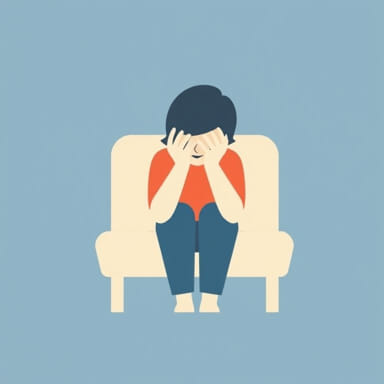
Persistent Depressive Disorder, classified under the ICD-10 code F34.1, is a chronic mood disorder that significantly impacts an individual’s daily life, emotional well-being, and overall functionality. Unlike major depressive disorder, which may present with severe but episodic symptoms, persistent depressive disorder involves a long-term pattern of low mood that lasts for at least two years in adults or one year in children and adolescents. The condition often goes unrecognized for years because its symptoms may be less intense but more enduring, leading to cumulative effects on social, occupational, and personal aspects of life. Understanding F34.1 Persistent Depressive Disorder, its symptoms, causes, and management strategies is crucial for patients, families, and healthcare providers.
Understanding Persistent Depressive Disorder
Persistent Depressive Disorder (PDD), historically known as dysthymia, is characterized by chronic depression that persists over long periods. Individuals with PDD may experience sadness, low energy, feelings of hopelessness, and difficulties in concentration. The condition can coexist with other mental health disorders, including major depressive episodes, anxiety disorders, or substance use disorders. Recognizing the chronic nature of PDD is important, as early intervention can help prevent worsening symptoms and improve quality of life.
Key Features of F34.1 Persistent Depressive Disorder
- Depressed mood most of the day, more days than not.
- Duration of at least two years in adults or one year in children/adolescents.
- Presence of at least two additional symptoms, such as poor appetite or overeating, insomnia or hypersomnia, low energy, low self-esteem, poor concentration, or feelings of hopelessness.
- Symptoms are chronic but not typically severe enough to meet the criteria for major depressive episodes continuously.
- Significant impairment in social, occupational, or educational functioning.
Causes and Risk Factors
F34.1 Persistent Depressive Disorder arises from a combination of genetic, biological, psychological, and environmental factors. Understanding these factors can help in early identification and prevention strategies.
Biological Factors
- Genetic predisposition Family history of depression increases the likelihood of developing PDD.
- Neurochemical imbalances Dysregulation of neurotransmitters such as serotonin, dopamine, and norepinephrine may contribute to chronic depressive symptoms.
- Brain structure and function Abnormalities in regions involved in mood regulation, such as the prefrontal cortex and limbic system, may play a role.
Psychological and Environmental Factors
- Chronic stress or trauma, including adverse childhood experiences.
- Low self-esteem or negative thinking patterns that reinforce feelings of hopelessness.
- Persistent interpersonal difficulties or social isolation.
- Chronic medical conditions or physical illnesses that impact mental health.
Symptoms and Clinical Presentation
Persistent Depressive Disorder often manifests subtly, making it difficult for individuals or even healthcare providers to recognize it early. Symptoms may fluctuate in intensity but remain present for extended periods, affecting daily functioning and life satisfaction.
Emotional Symptoms
- Chronic sadness or low mood.
- Feelings of hopelessness or pessimism about the future.
- Irritability or frustration over small matters.
- Lack of interest or pleasure in previously enjoyed activities (anhedonia).
Physical Symptoms
- Fatigue or low energy levels.
- Changes in appetite, either increased or decreased.
- Sleep disturbances, including insomnia or hypersomnia.
- Somatic complaints, such as headaches or gastrointestinal discomfort.
Cognitive Symptoms
- Difficulty concentrating, making decisions, or remembering details.
- Negative self-perception and feelings of inadequacy.
- Persistent self-criticism and guilt.
Diagnosis of F34.1 Persistent Depressive Disorder
Diagnosis of persistent depressive disorder is primarily clinical, based on a thorough psychiatric assessment, detailed history, and symptom evaluation. Healthcare providers use criteria outlined in the ICD-10 and DSM-5 to differentiate PDD from major depressive episodes, adjustment disorders, and other mood or personality disorders.
Diagnostic Criteria
- Chronic depressed mood for the required duration (two years in adults, one year in children/adolescents).
- Presence of at least two additional depressive symptoms, as previously described.
- Absence of symptom-free periods lasting longer than two months.
- Significant distress or impairment in social, occupational, or other important areas of functioning.
- Exclusion of other psychiatric or medical conditions that could explain the symptoms.
Treatment and Management
Persistent Depressive Disorder requires a comprehensive and long-term approach to management, as its chronic nature can lead to significant impairment if left untreated. Treatment typically combines psychotherapy, pharmacotherapy, lifestyle interventions, and social support.
Psychotherapy
- Cognitive Behavioral Therapy (CBT) helps patients identify and change negative thought patterns.
- Interpersonal Therapy (IPT) focuses on improving relationship skills and social functioning.
- Supportive counseling provides emotional support and coping strategies for chronic symptoms.
Pharmacotherapy
- Antidepressant medications, such as selective serotonin reuptake inhibitors (SSRIs) and serotonin-norepinephrine reuptake inhibitors (SNRIs), are commonly prescribed.
- Dosage and duration are individualized, often requiring long-term treatment to maintain symptom control.
- Monitoring for side effects and efficacy is crucial, as PDD treatment can be ongoing for years.
Lifestyle and Self-Care Strategies
- Regular physical activity has been shown to improve mood and energy levels.
- Balanced nutrition and adequate sleep contribute to overall mental health.
- Stress reduction techniques such as mindfulness, meditation, and relaxation exercises.
- Engagement in social activities and maintaining supportive relationships to combat isolation.
Prognosis and Long-Term Considerations
Persistent Depressive Disorder is a chronic condition, but with appropriate treatment and support, individuals can achieve significant improvements in quality of life. Early recognition, consistent adherence to therapy, and lifestyle adjustments enhance prognosis. However, untreated PDD can lead to worsening depression, secondary anxiety disorders, or substance misuse. Regular follow-ups with mental health professionals are essential for monitoring progress and adjusting treatment as needed.
F34.1 Persistent Depressive Disorder represents a chronic form of depression that requires awareness, timely diagnosis, and sustained management. Its enduring symptoms, though sometimes less intense than major depressive episodes, can substantially impair daily functioning and quality of life. Understanding the causes, clinical presentation, and treatment strategies is essential for patients, caregivers, and healthcare providers. Through psychotherapy, pharmacotherapy, lifestyle interventions, and social support, individuals with PDD can achieve symptom relief, improved functioning, and a better overall quality of life. Early recognition and comprehensive care remain the cornerstone of managing this chronic mental health condition, highlighting the importance of continued research, education, and clinical awareness in addressing persistent depressive disorder effectively.