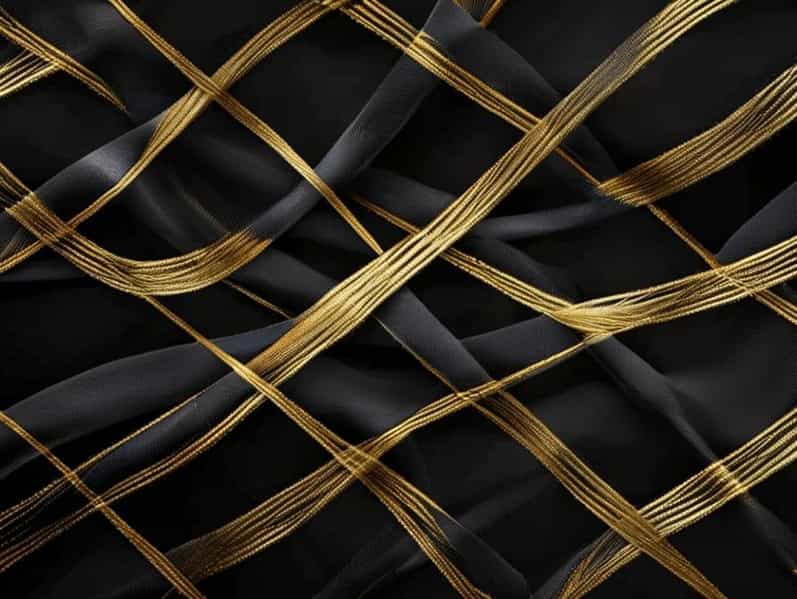
Throughout history, fabrics interwoven with gold thread have symbolized power, wealth, and divine beauty. These textiles, known for their shimmering appearance and exquisite craftsmanship, have been used in royal garments, religious vestments, and ceremonial attire across various cultures. The use of gold in fabric weaving reflects not only artistic skill but also the cultural importance of luxury and prestige. From ancient civilizations to modern haute couture, the allure of gold thread continues to fascinate people around the world.
The Origins of Gold-Threaded Fabrics
The tradition of weaving fabric interwoven with gold thread dates back thousands of years. Ancient Egypt, Persia, India, and China were among the earliest civilizations to develop this technique. In these regions, artisans crafted delicate threads by flattening gold into thin strips and wrapping them around silk or other fine fibers. The resulting thread was both flexible and radiant, making it ideal for use in high-status textiles.
Gold thread was not only a decorative element but also a symbol of sacredness and power. Pharaohs, emperors, and high priests often wore garments made with gold-threaded fabric to reflect their divine authority and spiritual purity. The process of weaving with gold required extraordinary precision, as even the slightest mistake could ruin the delicate threads.
Techniques of Weaving Gold into Fabric
Creating fabric interwoven with gold thread involves a combination of artistry and technical expertise. The process starts with producing the gold thread itself, which historically involved hammering gold into thin sheets and cutting them into narrow strips. These strips were then wound around a core of silk or cotton to provide flexibility.
Main Techniques Used in Gold Thread Weaving
- Zari WeavingOriginating in India, zari weaving uses gold or silver-coated threads woven into silk or cotton fabric to create intricate patterns. It remains one of the most popular traditional techniques for making luxurious textiles.
- Brocade WeavingCommon in China and the Middle East, brocade involves weaving gold threads into the weft to create raised patterns on the surface of the fabric.
- Embroidery with Gold ThreadInstead of being woven into the fabric, gold threads are often embroidered on top to create decorative motifs and embellishments.
These methods require years of training and deep understanding of fabric tension, thread handling, and design execution. Modern versions of these techniques often use imitation gold threads, but the craftsmanship remains highly valued.
Cultural Significance Around the World
Fabrics woven with gold threads hold deep cultural meaning across various civilizations. Each culture developed unique designs and symbolic interpretations, using gold-threaded textiles to mark important social and spiritual occasions.
India and the Splendor of Zari
In India, gold-threaded fabric, commonly known as zari, has been an integral part of traditional clothing for centuries. Banarasi silk sarees, renowned for their elaborate gold and silver patterns, are perhaps the most famous examples. These sarees are often worn by brides and during major religious ceremonies, symbolizing prosperity and grace. The art of zari weaving flourished during the Mughal era, supported by royal patronage that elevated it to a luxury craft.
China and Imperial Brocades
In ancient China, gold-threaded fabrics were used in imperial courts and temples. The art of brocade weaving reached its peak during the Tang and Ming dynasties, where gold threads were interwoven into silk to create elaborate dragon and phoenix motifs. These designs represented imperial power, longevity, and cosmic harmony. Only members of the royal family and high-ranking officials were permitted to wear certain patterns woven with gold, reflecting the strict social hierarchy of the time.
Europe and the Medieval Gold Cloth
In medieval Europe, fabrics interwoven with gold thread were popular among royalty and the clergy. The luxurious cloth of gold, often produced in Italy or Byzantium, was used for church vestments, royal robes, and coronation garments. Gold thread symbolized divine light and purity, making it appropriate for both sacred and royal settings. During the Renaissance, these fabrics became even more ornate, with gold and silver threads combined to create intricate floral and heraldic designs.
Modern Use of Gold-Threaded Fabric
In the contemporary world, fabrics with gold threads are still used in fashion, interior design, and cultural attire. However, modern technology has changed the way gold thread is produced and used. Instead of pure gold, synthetic metallic threads made from polyester or other materials are often used to replicate the shimmering appearance at a lower cost.
Fashion designers incorporate gold-threaded textiles into haute couture and evening wear to evoke a sense of luxury and timeless elegance. In interior decoration, gold-threaded fabrics are used in upholstery, drapery, and tapestries to create a regal atmosphere. Despite technological advancements, artisans in regions like India and Japan continue to preserve traditional weaving methods that use real gold or silver threads for high-end textiles.
Symbolism and Artistic Meaning
Gold has long been associated with light, immortality, and divine power. When woven into fabric, it transforms the textile into a symbol of transcendence and refinement. In religious contexts, gold-threaded garments often represent holiness or enlightenment. In secular traditions, they convey wealth, success, and royal status.
Artists and weavers who work with gold threads see it not only as a material but as a metaphor for spiritual and aesthetic brilliance. The interplay of light on gold fibers creates a dynamic visual effect, making each movement of the fabric seem alive with radiance. This luminous quality makes gold-threaded fabrics timeless objects of fascination and admiration.
Challenges in Making Gold-Threaded Textiles
Producing fabrics interwoven with gold thread is a time-consuming and delicate process. Some of the main challenges include
- Maintaining the flexibility of the thread while ensuring the gold layer does not break or peel.
- Balancing the tension of warp and weft threads during weaving to prevent distortion of patterns.
- Ensuring the final fabric remains lightweight and comfortable, despite the addition of metallic threads.
Because of these difficulties, skilled artisans who master the technique are highly respected. Many traditional workshops pass down their knowledge through generations, keeping the ancient craft alive in a world of mass production.
Preservation and Revival of Traditional Gold Weaving
In recent decades, there has been a renewed interest in preserving traditional methods of weaving gold-threaded fabrics. Cultural organizations and governments have begun supporting artisans through training programs and heritage projects. Museums also play an important role by showcasing historical garments and explaining the techniques used in their creation.
In India, workshops in cities like Varanasi and Surat continue to produce authentic zari textiles. In Japan, Nishijin weavers maintain the centuries-old art of using gold foil in silk fabrics. In Europe, small ateliers still create brocades and tapestries using original methods from the Renaissance period.
The Enduring Appeal of Gold in Fabric
Even in the modern age, the allure of gold-threaded fabric remains strong. Beyond fashion and decoration, these textiles represent a deep connection to history, craftsmanship, and cultural identity. The shimmering beauty of gold interwoven with silk or cotton reflects humanity’s timeless fascination with light and luxury.
Whether displayed in a royal palace, worn by a bride, or featured in a couture gown, fabrics interwoven with gold thread embody elegance that transcends eras and borders. Their continued presence in art and fashion serves as a reminder that true craftsmanship never fadesit evolves, shining as brightly as the threads of gold that inspire it.
Fabrics interwoven with gold thread are more than just decorative materials; they are historical artifacts that tell stories of wealth, devotion, and artistry. From ancient temples to modern runways, they symbolize human ingenuity and the enduring desire to capture light within fabric. The meticulous art of gold weaving continues to inspire both traditional artisans and contemporary designers, proving that the beauty of gold-threaded textiles is truly timeless and universal.