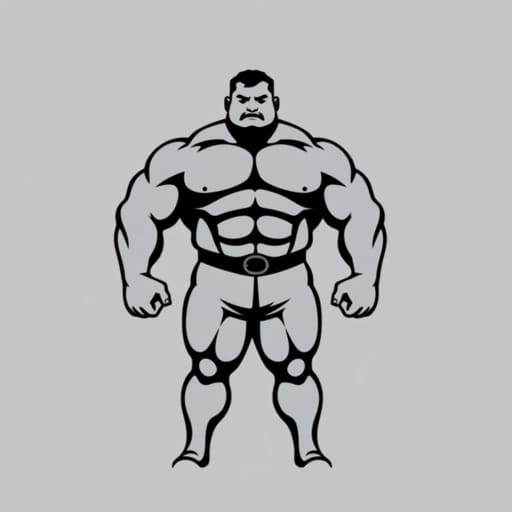
During World War II, popular culture and media played a significant role in shaping public opinion and morale. Among the many characters and symbols that emerged during this time, the figure known as the ‘Fat Hunky Man’ holds a peculiar yet fascinating place. While the phrase may seem unusual today, it reflected certain stereotypes, humor, and cultural attitudes of the wartime era. Understanding who or what the Fat Hunky Man was, and why such imagery or characters became part of the World War II zeitgeist, sheds light on the social dynamics, propaganda, and entertainment of the 1940s.
The Origins of the Fat Hunky Man Concept
The term ‘Fat Hunky Man’ was not a formal title or widely recognized character but rather a colloquial expression that emerged in American and British popular culture during the war years. It often referred to robust, burly men who embodied strength, resilience, and sometimes comic relief. These figures appeared in cartoons, films, posters, and radio shows, providing audiences with a blend of familiarity and humor amidst the harsh realities of war.
Why Such Characters Resonated
In a time of widespread uncertainty and fear, these ‘hunky’ men offered a comforting image of stability and vitality. Their physical presence suggested toughness and reliability, traits admired in soldiers and civilians alike. The ‘fat’ descriptor sometimes exaggerated this robustness to comic effect, making these characters relatable and endearing to the public.
- Represented the everyday working-class man contributing to the war effort.
- Provided comic relief to counterbalance wartime stress.
- Emphasized physical strength as a metaphor for national resilience.
Representation in Media and Propaganda
During World War II, media and propaganda heavily utilized relatable figures to promote morale, encourage enlistment, and support war bonds. The Fat Hunky Man archetype appeared in various forms, from animated cartoons to recruitment posters, often symbolizing the ideal soldier or worker.
Cartoons and Animation
War-time cartoons frequently depicted larger-than-life characters with exaggerated features. Studios like Warner Bros. and Disney produced shorts that included robust, jovial men who fought alongside slimmer, more agile characters, highlighting different aspects of wartime contribution.
Propaganda Posters
Posters sometimes portrayed stocky, hearty men laboring in factories or marching into battle. These images reinforced the idea that every individual, regardless of appearance, was vital to victory. The Fat Hunky Man became a symbol of the ‘everyman’ hero.
Social Context and Stereotypes
The figure of the Fat Hunky Man must be understood within the social context of the 1940s, where gender roles, body image, and ethnic stereotypes were different from contemporary standards. The emphasis on physicality aligned with traditional masculine ideals, but it also reflected the working-class origins of many soldiers and factory workers.
Working-Class Heroism
Many Fat Hunky Man figures represented blue-collar workers who supported the war through industrial labor or military service. This celebration of the common man was vital for maintaining national unity and morale.
Ethnic and Regional Connotations
In some contexts, ‘hunky’ was a derogatory term used to describe Central and Eastern European immigrants. However, during the war, such figures were often reappropriated in popular culture to reflect the inclusive spirit of the Allied nations, emphasizing contribution over background.
Impact on Public Perception and Legacy
The Fat Hunky Man helped humanize the vast and often impersonal war effort by putting a face to the ‘ordinary’ individuals whose work and sacrifice were crucial. These figures reminded the public that victory depended not just on generals and politicians but on every man and woman contributing at home and abroad.
Morale and Motivation
- Boosted civilian morale by celebrating relatable heroes.
- Encouraged enlistment and participation in wartime production.
- Helped maintain a sense of community and shared purpose.
Post-War Reflections
After the war, the image of the Fat Hunky Man faded somewhat but left a legacy in how media portrayed working-class masculinity and heroism. The blending of strength and humor continued in post-war films and literature, shaping American and British cultural memory.
The Fat Hunky Man of World War II symbolizes a unique blend of humor, strength, and everyday heroism that resonated deeply during a period of global conflict. Far from a singular character, this archetype reflected the spirit of millions who contributed to the war effort through their labor, service, and resilience. By examining this figure, we gain insight into the cultural attitudes, propaganda strategies, and social dynamics that helped sustain Allied nations through one of the most challenging periods in modern history. Understanding these representations enriches our appreciation of World War II beyond battles and politics, highlighting the human dimension of perseverance and unity.