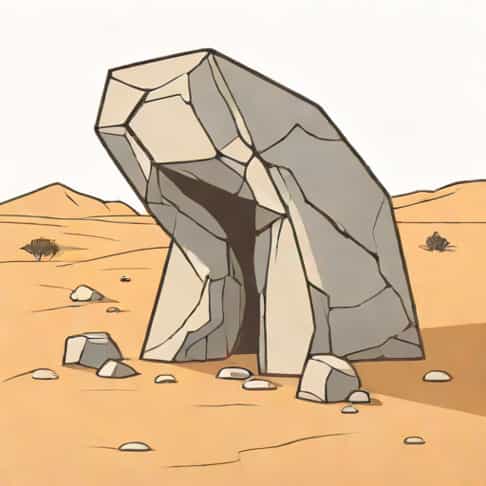
Finding a megalith that has been vandalised on a first journey can be a disheartening experience for anyone interested in history, archaeology, or cultural heritage. Megaliths are large stone structures built by ancient civilizations, often holding religious, astronomical, or social significance. When these monuments are damaged or defaced, it not only erases a part of human history but also diminishes the opportunity for learning and exploration. Encountering a vandalised megalith during your first journey to such a site can provoke strong emotions, but it also highlights the importance of preservation and awareness. This topic explores the experience of finding a vandalised megalith, understanding the causes and impacts of vandalism, and how travelers and enthusiasts can contribute to the protection of these ancient structures.
Understanding Megaliths and Their Significance
Megaliths are monumental structures made of large stones, constructed without the use of mortar or modern machinery. These structures, which include stone circles, dolmens, menhirs, and tumuli, were built by ancient communities for various purposes. Some were used as burial sites, others as ceremonial or religious centers, and some aligned with astronomical events such as solstices and equinoxes. Understanding the historical and cultural significance of megaliths is crucial for appreciating their value and why vandalism is such a serious concern.
Historical Context
Many megaliths date back thousands of years, with some of the earliest known examples constructed in Europe, Asia, and Africa. These structures provide insight into the engineering skills, spiritual beliefs, and social organization of ancient societies. By studying megaliths, archaeologists can uncover information about the past, including trade routes, rituals, and community life. Vandalism not only damages the physical structure but also destroys valuable historical information that cannot be easily replaced.
Encountering Vandalism on a First Journey
Finding a vandalised megalith during your initial visit can be emotionally challenging. Many first-time visitors arrive with a sense of wonder and curiosity, hoping to connect with the ancient past. Discovering graffiti, broken stones, or other forms of defacement can feel like a betrayal of that connection. The experience often prompts reflection on the fragility of cultural heritage and the responsibilities of modern society to protect it.
Common Forms of Vandalism
Vandalism can take many forms, each affecting megaliths in different ways
- GraffitiPaint, markers, or carvings on stone surfaces can obscure ancient markings and inscriptions.
- Physical DamageChipping, breaking, or moving stones can destabilize the structure and make it unsafe.
- LitteringTrash and waste left near megaliths can lead to environmental damage and deterioration of the site.
- TheftStealing stones or artifacts from megaliths can result in the permanent loss of historical material.
The Causes of Megalith Vandalism
Understanding why megaliths are vandalised can help in developing strategies to prevent damage. Some causes are accidental, while others are deliberate and malicious. Common factors include
Lack of Awareness
Many people are unaware of the cultural and historical significance of megaliths. They may treat the site as a tourist attraction rather than a protected monument, inadvertently causing damage through climbing, touching, or leaving graffiti.
Intentional Damage
Some vandalism is deliberate, motivated by rebellion, mischief, or disrespect for heritage. This form of vandalism is particularly harmful because it often involves destruction of irreplaceable features.
Environmental Factors
Natural erosion, weathering, and plant growth can also contribute to the appearance of vandalism. While not intentional, these factors weaken the structure and make it more vulnerable to human-caused damage.
Impact of Vandalism on Megaliths
The consequences of vandalism extend beyond visual damage. They affect research, tourism, and cultural identity. Key impacts include
- Loss of Historical DataChipped stones, removed artifacts, and graffiti can erase inscriptions and carvings that provide valuable information.
- Safety ConcernsDamaged stones can make sites unsafe for visitors, potentially leading to accidents.
- Reduced Tourism ValueVandalism diminishes the aesthetic and cultural appeal, discouraging visitors and impacting local economies.
- Damage to Cultural IdentityCommunities connected to the megaliths may feel a loss of heritage and pride when sites are defaced.
Documenting and Reporting Vandalism
When encountering a vandalised megalith, it is important to document the damage for preservation purposes. Photographs, notes, and GPS locations can help authorities assess and repair the site. Reporting incidents to local heritage organizations, park authorities, or law enforcement is crucial for accountability and protection of the site. Visitors should avoid touching or altering the site further to prevent additional damage.
Role of Technology
Modern technology can aid in documenting and preventing vandalism. Drones, 3D scanning, and high-resolution photography allow for detailed records of megaliths, helping researchers track changes over time. Additionally, social media and digital platforms can raise awareness and promote responsible visitation.
Preventing Vandalism Best Practices for Visitors
Prevention begins with responsible behavior. Visitors can play a vital role in protecting megaliths by following best practices
- Respect barriers and signage that indicate protected areas.
- Avoid touching, climbing, or sitting on stones to prevent wear and breakage.
- Refrain from leaving graffiti, litter, or personal markings.
- Educate others about the historical and cultural significance of megaliths.
- Participate in volunteer programs that maintain and preserve heritage sites.
Community and Government Initiatives
Local governments and cultural organizations often implement measures to prevent vandalism, such as installing surveillance, organizing guided tours, and conducting educational campaigns. Community involvement fosters a sense of ownership and responsibility, reducing the likelihood of future damage.
Learning From the Experience
Encountering a vandalised megalith on a first journey can serve as a powerful lesson in the importance of heritage preservation. It emphasizes that historical sites are fragile and require collective care. Travelers often leave such sites with a greater appreciation for cultural heritage and a commitment to ethical tourism practices. Furthermore, witnessing vandalism can inspire advocacy and participation in preservation efforts, ensuring that future generations can experience these ancient monuments in their original form.
Promoting Cultural Awareness
Understanding the story behind megaliths, their builders, and their purpose fosters a deeper connection to history. Awareness campaigns, educational programs, and responsible travel behavior all contribute to preserving these sites. Encouraging visitors to approach megaliths with curiosity, respect, and mindfulness ensures that heritage remains intact and meaningful for everyone.
Finding a vandalised megalith on a first journey can be a sobering experience, highlighting the vulnerability of our cultural heritage. Megaliths are more than stones; they are windows into the past, offering insights into ancient civilizations, rituals, and community life. Vandalism erases these connections and diminishes the value of the site for research, tourism, and cultural identity. By understanding the significance of megaliths, documenting damage responsibly, and practicing ethical visitation, individuals can help protect these ancient monuments. Ultimately, each visitor has a role in ensuring that megaliths remain preserved, appreciated, and respected, allowing future generations to marvel at these incredible achievements of the past.