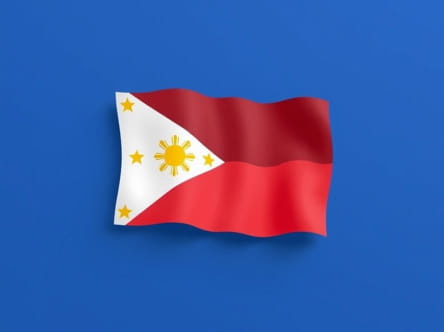
The flag of the Philippines is a powerful national symbol that represents the country’s history, struggles, and values. It is unique in the way it can be displayed in two different orientations depending on the situation, which often confuses people unfamiliar with this important aspect. When the flag is flipped, it is not a mistake but a deliberate signal that the country is in a state of war. This practice highlights the significance of the flag beyond a simple emblem, serving also as a visual alert about the nation’s condition. Understanding the meaning, design, and protocol related to the flipped flag of the Philippines is essential for respecting Filipino culture and its national identity.
The Design of the Philippine Flag
The Philippine flag consists of three main colors and distinct symbols that each carry specific meanings. It has two horizontal bands of blue on top and red on the bottom, with a white equilateral triangle on the left side. Inside the white triangle are three golden stars, one at each vertex, and a golden sun with eight rays in the center. Each element represents important aspects of Filipino history and ideals.
Symbolism of Colors and Elements
- BlueStands for peace, truth, and justice.
- RedRepresents patriotism and valor, especially in times of war.
- White TriangleSymbolizes equality and fraternity.
- Golden SunThe sun’s eight rays represent the first eight provinces that revolted against Spanish colonial rule.
- Three StarsRepresent the three major island groups of the Philippines Luzon, Visayas, and Mindanao.
Flipping the Flag A Signal of War
What makes the Philippine flag particularly notable is the intentional way it is flipped during times of war. In normal times, the blue band is on top when the flag is flown horizontally, signaling peace and stability. However, when the country is at war or in a state of armed conflict, the flag is reversed, with the red band on top and the blue band at the bottom. This reversal serves as a clear and immediate visual cue about the nation’s state.
Historical Context of the Flipped Flag
The use of the flag to symbolize war dates back to the Philippine Revolution against Spanish rule and subsequent conflicts. It acted as a means of rallying the Filipino people and alerting citizens and observers to the seriousness of the situation. Even today, the flipped flag is a deeply respected symbol of national resilience and sacrifice.
Legal and Protocol Guidelines
The display of the Philippine flag, whether in its normal or flipped position, follows specific legal protocols governed by the Flag and Heraldic Code of the Philippines. The code outlines when and how the flag should be displayed, treated, and handled. The flipping of the flag is not to be done casually or without official declaration of war or armed conflict.
Common Misunderstandings About the Flipped Flag
Because the flag is rarely flipped and the concept is unique, some people mistakenly think that a flipped Philippine flag is displayed upside down by accident. This misunderstanding can lead to disrespect or confusion. It is important to recognize that the flipped flag has a deliberate and solemn meaning tied to national security and conflict situations.
Distinguishing Between Upside Down and Flipped
In the flipped flag, the entire flag is turned so that the red band is on top, while the blue band is below. The triangle and symbols remain on the hoist side (left side when facing the flag). This is different from simply turning the flag upside down, which would misplace the symbols and violate flag protocol.
The Flag in Modern Times
Although the Philippines is not currently officially at war, the flag’s dual orientation remains a powerful reminder of the country’s history and readiness to defend its sovereignty. The flag’s design and protocol reinforce national unity and pride, whether in times of peace or conflict.
Educational Role and National Pride
Filipinos are taught from a young age about the flag’s symbolism and the significance of its flipped state. Schools and government institutions emphasize respect for the flag and its proper display as an expression of patriotism. This education ensures that citizens understand the weight behind the flag’s imagery and the conditions under which it is flipped.
Respecting the Philippine Flag
Proper handling and display of the Philippine flag are considered a civic duty. The flag represents the sacrifices of those who fought for independence and the ideals that continue to guide the nation. Whether the flag is flown normally or flipped in times of conflict, it demands respect from all.
Flag Etiquette
- The flag should never touch the ground or be used as clothing or decoration in a disrespectful way.
- When displayed with other flags, the Philippine flag should be at the center or highest position.
- The flag is folded in a specific triangular manner when stored.
The flag of the Philippines is more than just a colorful emblem it is a living symbol of the country’s identity, history, and resilience. The practice of flipping the flag to indicate a state of war is a unique and meaningful tradition that underscores the flag’s importance as a communication tool and symbol of national spirit. Understanding the flag’s design, symbolism, and the conditions under which it is flipped helps foster respect and appreciation for this vital national icon. Whether seen flying proudly with the blue band on top or flipped during times of conflict with the red band leading, the Philippine flag continues to unite its people and remind them of their shared heritage and commitment to their nation’s future.