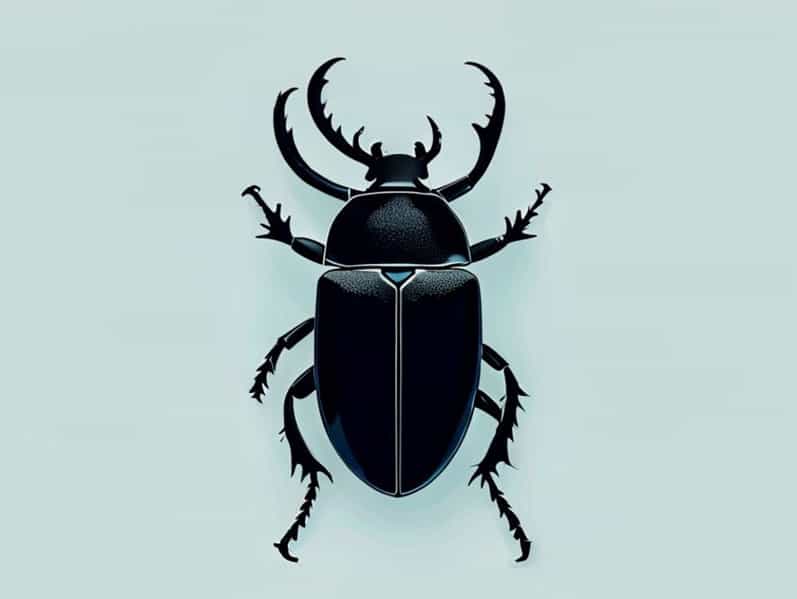
The Florida deep digger scarab beetle is a fascinating and often overlooked insect species native to the southeastern United States, particularly the state of Florida. Known for its burrowing behavior and important ecological role, this beetle contributes significantly to soil aeration, nutrient cycling, and the decomposition of organic matter. Unlike other more commonly observed beetles, the Florida deep digger scarab beetle spends much of its life underground, making it less visible to casual observers. Despite its elusive nature, understanding its biology, habitat, life cycle, and ecological impact provides valuable insight into the delicate balance of Florida’s ecosystems and the importance of preserving native insect populations.
Taxonomy and Identification
The Florida deep digger scarab beetle belongs to the family Scarabaeidae, a diverse group of beetles commonly known as scarabs. Members of this family are characterized by their robust, oval-shaped bodies, strong legs adapted for digging, and often metallic or earthy coloration. The Florida deep digger scarab beetle can be identified by several distinguishing features, including its deep-set eyes, specialized forelegs designed for burrowing, and a slightly elongated body compared to other scarabs.
Physical Characteristics
- Size ranges from 1.5 to 2.5 centimeters in length
- Dark brown to black exoskeleton with subtle iridescence
- Strong, spade-like forelegs adapted for digging into soil
- Rounded body shape that facilitates movement underground
- Antennae with lamellate structures used for sensing food and mates
These physical traits make the Florida deep digger scarab beetle particularly well-suited to its subterranean lifestyle, allowing it to navigate through dense soil and locate organic matter efficiently.
Habitat and Distribution
As the name suggests, the Florida deep digger scarab beetle is primarily found in Florida, though related species may exist in neighboring southeastern states. Its preferred habitats include sandy soils, forested areas, grasslands, and regions with abundant decaying organic material. The beetle thrives in both natural and disturbed habitats, such as gardens, parks, and agricultural fields, where it can access decaying plant matter and animal dung for nutrition.
Soil Preference
The beetle favors well-drained, loose soils that allow for easy burrowing. Sandy and loamy soils are ideal for egg-laying and larval development. The deep burrowing behavior of this beetle helps to aerate the soil, improve water infiltration, and contribute to nutrient recycling, making it an important component of soil health in its native habitats.
Behavior and Feeding
The Florida deep digger scarab beetle exhibits nocturnal and subterranean behavior, spending much of its time underground. Its diet primarily consists of decomposing organic matter, including plant debris and animal feces. By feeding on these materials, the beetle accelerates decomposition, returning vital nutrients to the soil and supporting plant growth.
Burrowing Behavior
This beetle is named for its ability to dig deep tunnels in the soil. Adult beetles and larvae create intricate burrow systems that serve multiple purposes
- Providing shelter from predators and extreme temperatures
- Serving as sites for egg-laying and larval development
- Facilitating access to decomposing organic matter beneath the surface
The burrowing activity also benefits other soil organisms and promotes ecological balance by maintaining healthy soil structure.
Life Cycle and Reproduction
The Florida deep digger scarab beetle undergoes a complete metamorphosis, including four stages egg, larva, pupa, and adult. Understanding the life cycle is essential for appreciating its role in ecosystem functioning.
Egg Stage
Female beetles lay eggs deep in the soil, often near decaying organic matter that will provide food for emerging larvae. The eggs are small, oval, and pale in color, and they hatch within a few weeks depending on environmental conditions.
Larval Stage
The larvae, commonly known as grubs, live underground and feed on decomposing plant material and organic matter. This stage can last several months, during which the larvae grow and develop through multiple instars before pupation. Larval activity significantly contributes to soil nutrient cycling.
Pupal Stage
During pupation, the larva transforms into an adult within a protective chamber in the soil. This stage can last several weeks, after which the adult beetle emerges to begin its life above and below ground.
Adult Stage
Adult Florida deep digger scarab beetles continue to feed on organic matter and engage in reproduction. Adults are capable of surviving for several months, maintaining their role in soil aeration and ecosystem health.
Ecological Importance
The Florida deep digger scarab beetle plays a crucial role in maintaining healthy ecosystems. By breaking down organic matter, this beetle accelerates nutrient cycling, enriches soils, and supports plant growth. Additionally, its burrowing behavior helps aerate the soil, improving water retention and creating habitats for other soil-dwelling organisms.
Impact on Agriculture and Gardens
In agricultural and garden settings, the Florida deep digger scarab beetle provides natural soil improvement. Its activity reduces the need for chemical fertilizers, enhances soil fertility, and promotes sustainable farming practices. While the beetle is generally beneficial, excessive populations in specific areas may require monitoring to prevent minor crop or garden damage.
Conservation and Threats
Despite its ecological significance, the Florida deep digger scarab beetle faces several threats. Habitat loss due to urbanization, agriculture, and deforestation can reduce available breeding and feeding grounds. Pesticide use and soil pollution further threaten beetle populations. Conservation efforts that protect native habitats, encourage organic farming practices, and reduce chemical inputs are essential for maintaining healthy populations of this important beetle.
Protecting Beetle Populations
- Preserve natural and undisturbed soil habitats
- Encourage organic and sustainable farming practices
- Limit the use of pesticides and chemical fertilizers
- Promote awareness of the ecological benefits of native beetle species
Interesting Facts
- The Florida deep digger scarab beetle is sometimes mistaken for other common beetles but is distinguished by its deep-burrowing behavior and robust forelegs.
- It plays a vital role in breaking down animal feces, preventing the spread of waste and disease in natural ecosystems.
- Its nocturnal habits make it less visible, but it is highly active underground, performing important ecological functions.
- Native tribes and local communities have historically recognized the importance of scarab beetles in maintaining soil fertility and supporting agriculture.
The Florida deep digger scarab beetle is a remarkable insect species that contributes significantly to the ecological health of Florida’s soils. Its burrowing and feeding behavior enhances soil fertility, promotes decomposition, and supports other organisms within its habitat. Despite being largely hidden from view, this beetle plays an indispensable role in both natural and agricultural environments. Conservation of its habitat, sustainable land management, and awareness of its ecological importance are crucial to ensuring that this unique scarab continues to thrive. For nature enthusiasts, researchers, and gardeners alike, understanding the Florida deep digger scarab beetle provides insight into the complex interactions within ecosystems and the value of preserving native species.