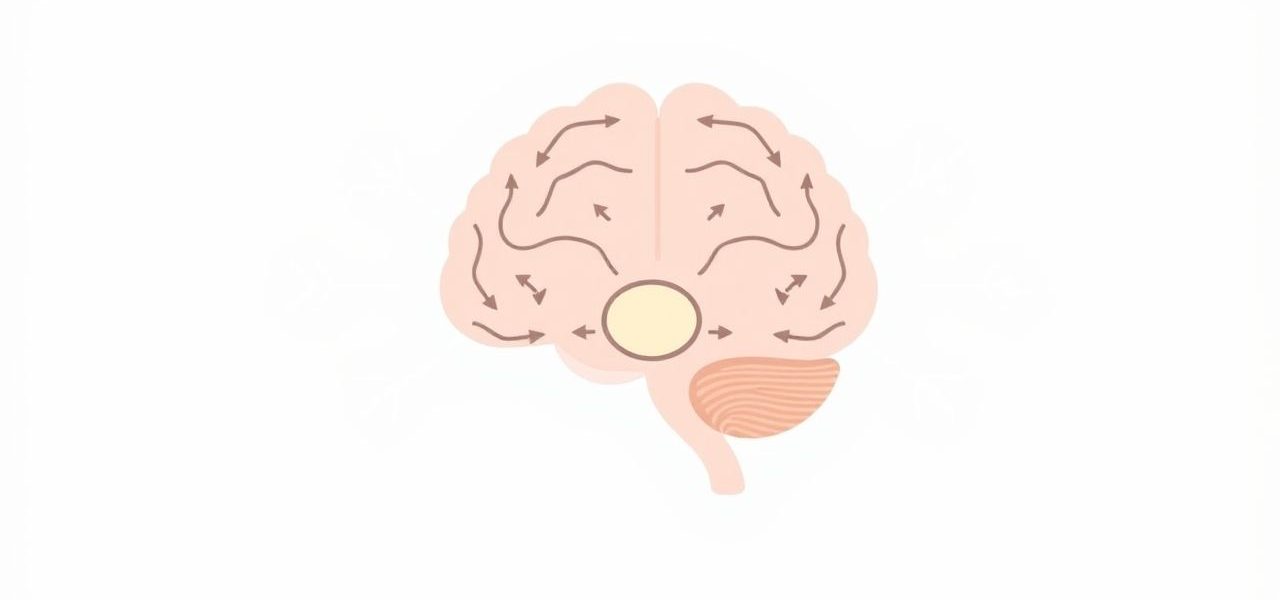
The pituitary gland is one of the most important glands in the human endocrine system, often referred to as the master gland because it controls and regulates the activities of many other glands in the body. For students in Class 10, understanding the function of the pituitary gland is essential as it forms the basis of knowledge about hormones, growth, metabolism, and overall bodily functions. This small gland plays a major role in maintaining homeostasis and coordinating several biological processes through the secretion of hormones.
What Is the Pituitary Gland?
The pituitary gland is a pea-sized gland located at the base of the brain, just below the hypothalamus. It is connected to the hypothalamus by a thin stalk called the infundibulum. Although small in size, the pituitary gland has a powerful influence on the body because it controls growth, reproduction, metabolism, and stress response.
Structure of the Pituitary Gland
The pituitary gland consists of two main parts:
- Anterior Pituitary (Adenohypophysis): Produces and releases several hormones that affect growth, reproduction, and metabolism.
- Posterior Pituitary (Neurohypophysis): Stores and releases hormones produced by the hypothalamus, such as oxytocin and vasopressin.
Why Is the Pituitary Gland Called the Master Gland?
The pituitary gland is called the master gland because it regulates the functions of other endocrine glands, such as the thyroid gland, adrenal glands, ovaries, and testes. By releasing specific hormones, the pituitary gland influences various physiological processes, including growth, sexual development, and energy regulation.
Main Functions of the Pituitary Gland
The pituitary gland performs several critical functions in the body. Here are the major roles explained in detail:
1. Regulation of Growth
The anterior pituitary gland secretes Growth Hormone (GH), also known as somatotropin. This hormone is essential for the growth of bones and tissues, especially during childhood and adolescence. It stimulates cell division, protein synthesis, and muscle development.
2. Control of Thyroid Function
The pituitary gland releases Thyroid-Stimulating Hormone (TSH), which regulates the activity of the thyroid gland. TSH ensures that the thyroid gland produces the necessary hormones (thyroxine and triiodothyronine) for controlling metabolism and energy balance in the body.
3. Regulation of Adrenal Glands
The pituitary gland secretes Adrenocorticotropic Hormone (ACTH), which stimulates the adrenal glands to produce cortisol and other glucocorticoids. These hormones help the body respond to stress and maintain blood pressure and metabolism.
4. Reproductive System Control
The pituitary gland plays an important role in reproduction by releasing hormones like:
- Follicle-Stimulating Hormone (FSH): Promotes the growth of ovarian follicles in females and sperm production in males.
- Luteinizing Hormone (LH): Triggers ovulation in females and testosterone production in males.
5. Milk Production and Lactation
The pituitary gland secretes Prolactin, a hormone responsible for stimulating milk production in mammary glands after childbirth. It ensures that breastfeeding is possible during the postnatal period.
6. Water Balance in the Body
The posterior pituitary gland releases Antidiuretic Hormone (ADH), also known as vasopressin, which controls water retention in the kidneys. ADH reduces water loss through urine, maintaining the body’s fluid balance.
7. Childbirth and Uterine Contraction
Oxytocin, another hormone stored and released by the posterior pituitary, plays a vital role during childbirth. It causes uterine contractions, making the delivery process easier, and also aids in milk ejection during breastfeeding.
Hormones Secreted by the Pituitary Gland
The pituitary gland secretes a variety of hormones, each with specific functions. These include:
- Growth Hormone (GH)
- Thyroid-Stimulating Hormone (TSH)
- Adrenocorticotropic Hormone (ACTH)
- Follicle-Stimulating Hormone (FSH)
- Luteinizing Hormone (LH)
- Prolactin
- Antidiuretic Hormone (ADH)
- Oxytocin
Disorders Related to the Pituitary Gland
If the pituitary gland does not function properly, it can lead to various health problems. Common disorders include:
- Dwarfism: Caused by low secretion of Growth Hormone during childhood, leading to stunted growth.
- Gigantism: Excessive secretion of Growth Hormone during childhood, resulting in abnormal height.
- Acromegaly: Overproduction of Growth Hormone in adulthood, leading to enlarged bones and tissues.
- Diabetes Insipidus: Caused by low secretion of ADH, leading to excessive urination and dehydration.
Importance of Pituitary Gland in Homeostasis
The pituitary gland is essential for maintaining homeostasis in the human body. By regulating hormone secretion in other glands, it ensures proper metabolism, growth, reproduction, and water balance. Without the pituitary gland, the coordination of these processes would be impossible.
Role of Hypothalamus and Pituitary Gland
The hypothalamus works closely with the pituitary gland to control hormone production. It sends signals in the form of releasing hormones to the pituitary gland, which then secretes the appropriate hormones to target organs. This coordination is vital for a balanced endocrine system.
Summary of Functions for Class 10 Students
For Class 10 students, it is important to remember the following key points:
- The pituitary gland is the master gland of the endocrine system.
- It regulates growth, metabolism, reproduction, and water balance.
- Major hormones include GH, TSH, ACTH, FSH, LH, Prolactin, ADH, and Oxytocin.
- Disorders can result from overproduction or underproduction of these hormones.
The function of the pituitary gland is vital for controlling and coordinating various processes in the human body. For Class 10 students, understanding this gland helps in building a strong foundation for biology and health sciences. From growth and reproduction to water balance and stress management, the pituitary gland plays a central role in ensuring overall well-being.