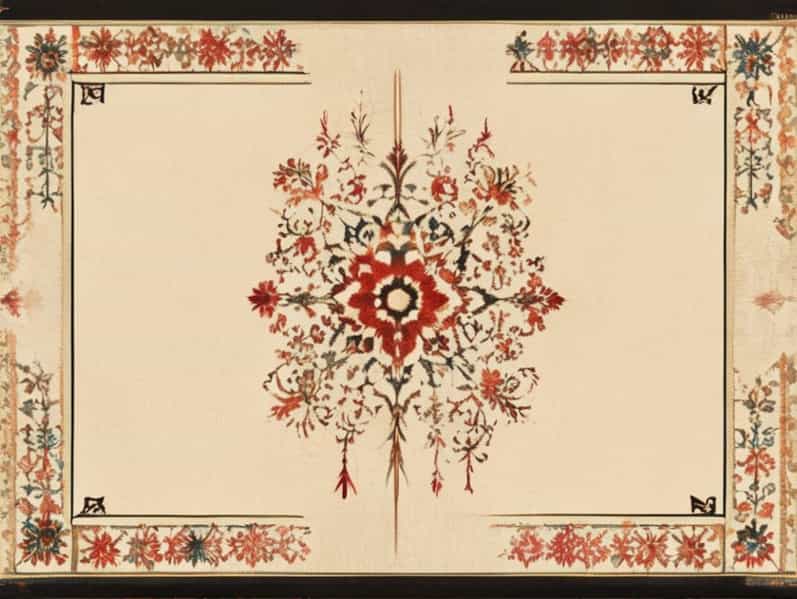
The Ardabil Carpet is one of the most celebrated and historically significant Persian carpets in the world. Crafted in the city of Ardabil, Iran, during the Safavid dynasty in the 16th century, this exquisite textile is renowned for its intricate design, rich symbolism, and exceptional craftsmanship. Beyond its aesthetic appeal, the Ardabil Carpet served multiple functions in both practical and symbolic contexts. From religious purposes to showcasing royal prestige, the carpet has been more than just a decorative object. Understanding the functions of the Ardabil Carpet offers insight into Persian culture, art, and the role of carpets in society.
Historical Background of the Ardabil Carpet
The Ardabil Carpet was commissioned in 1539 1540 during the reign of Shah Tahmasp I, a ruler of the Safavid dynasty. Persian carpets had already become renowned worldwide for their beauty, quality, and artistry, and the Safavids actively promoted carpet weaving as a symbol of cultural sophistication and imperial power. The Ardabil Carpet was specifically intended for the shrine of Shaykh Safi al-Din in Ardabil, a Sufi saint revered in Iranian history. This connection to religious heritage underscores the carpet’s functional and symbolic importance in a spiritual context.
Religious Function
One of the primary functions of the Ardabil Carpet was religious. Carpets in Persian culture often served as prayer rugs or ceremonial textiles, especially in mosques and shrines. The Ardabil Carpet’s placement in the shrine of Shaykh Safi al-Din highlights its sacred function. Its intricate patterns, central medallion, and symmetrical designs were not only aesthetically pleasing but also served spiritual purposes. Devotees could use the carpet as a clean and respectful surface for prayer and contemplation. Its design is thought to reflect cosmic symbolism, representing the universe and the divine order, enhancing the spiritual experience of worshippers.
Symbolism in Design
The Ardabil Carpet’s central medallion, surrounded by intricate floral motifs and geometric patterns, is symbolic of both spiritual and cosmic ideas. The central medallion is often interpreted as representing paradise or the divine presence. The surrounding patterns of intertwining vines, flowers, and arabesques signify growth, eternity, and the interconnection of all life. This symbolic richness made the carpet more than a decorative object it became a tool for meditation and spiritual reflection.
Practical and Decorative Functions
Beyond its religious significance, the Ardabil Carpet also had practical functions as a luxurious textile. Carpets in Persian households were often used to cover floors, providing warmth and comfort in homes and palaces. The Ardabil Carpet’s size and craftsmanship indicate that it was intended to impress viewers and serve as a centerpiece in the space it adorned. Its beauty and complexity elevated the status of the space, reflecting the taste and wealth of its owners or commissioners.
Royal Prestige and Status
The Ardabil Carpet also functioned as a symbol of royal prestige and cultural sophistication. The Safavid dynasty was known for supporting arts and crafts, including carpet weaving, as a way to project power and refinement. The commissioning of such a masterpiece for a shrine and for display in royal spaces demonstrated the dynasty’s patronage of the arts and their role as custodians of Persian cultural heritage. Ownership of a carpet of this caliber signified wealth, authority, and connoisseurship. It served as a tangible representation of the power and cultural influence of the Safavid rulers.
Economic and Cultural Functions
Persian carpets, including the Ardabil Carpet, had significant economic and cultural functions. Carpets were major commodities in trade, exported throughout the Middle East, Europe, and Asia. The Ardabil Carpet represented not only artistic achievement but also economic value. Its intricate craftsmanship required skilled artisans and months of labor, showcasing the economic importance of carpet weaving as a craft industry. The carpet’s fame contributed to the global recognition of Persian carpets as luxury goods, attracting buyers and collectors and bolstering Persia’s cultural reputation.
Artistic and Educational Value
Another function of the Ardabil Carpet was educational and artistic. It served as a model of excellence in weaving techniques and design for other artisans. The carpet’s detailed motifs, knotting techniques, and use of color demonstrated the highest standards of Persian carpet making. Students of the craft could study the carpet to learn advanced weaving methods, design principles, and the symbolic language embedded in the patterns. Its survival over centuries allows contemporary artisans, historians, and designers to continue learning from it.
Symbol of National Heritage
The Ardabil Carpet has become a symbol of Iran’s national heritage. Today, the carpet resides in the Victoria and Albert Museum in London, where it is admired as a masterpiece of Persian art. Its functions have expanded from religious and decorative purposes to embody cultural pride and historical identity. It represents the artistic achievements of the Safavid period, the cultural importance of carpet weaving in Persia, and the enduring legacy of Persian aesthetics. Scholars, tourists, and art enthusiasts view the carpet as a key artifact of world art history, making it an object of both national and global significance.
Preservation and Legacy
The Ardabil Carpet’s function as a cultural artifact has necessitated preservation and careful study. Museum curators and conservationists ensure that the carpet remains intact for future generations. Its preservation allows people to appreciate the artistry, techniques, and cultural meanings embedded in the work. Additionally, the carpet inspires contemporary designers and artists, influencing modern textile and interior design. In this way, its function has evolved to include education, inspiration, and global appreciation of Persian culture.
The Ardabil Carpet serves multiple functions that span religious, practical, aesthetic, economic, and cultural domains. Initially crafted for a sacred shrine, it provided a surface for prayer and spiritual reflection, enhanced by symbolic and cosmic designs. Simultaneously, it functioned as a decorative object and a statement of royal prestige, demonstrating the power, wealth, and artistic taste of the Safavid dynasty. Over time, the carpet has also become a symbol of Persian cultural heritage, economic significance, and artistic mastery. Its preservation and continued study allow it to educate, inspire, and connect people worldwide, demonstrating the multifaceted functions of this remarkable Persian carpet. The Ardabil Carpet remains not only a testament to the skill and creativity of its makers but also a continuing emblem of the enduring legacy of Persian art and culture.