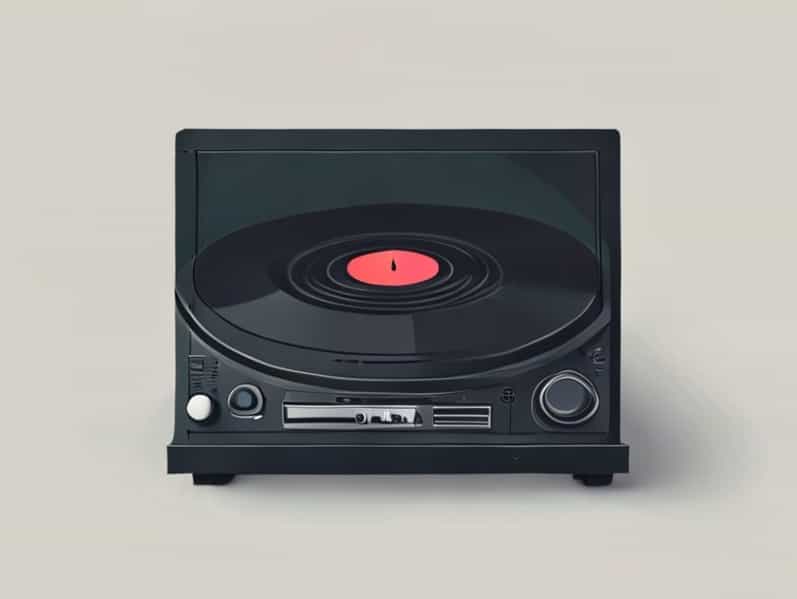
The General Electric stereo console phonograph represents a remarkable chapter in the history of home entertainment. These classic pieces were not just record players they were full furniture systems that brought elegance, style, and high-quality sound into living rooms across America. From the 1950s through the 1970s, owning a GE stereo console phonograph symbolized both modern sophistication and a deep appreciation for music. Their wooden cabinetry, warm analog tone, and craftsmanship made them prized possessions that are still admired by collectors and vintage audio enthusiasts today.
The Evolution of the General Electric Stereo Console Phonograph
General Electric, known globally for innovation and engineering, entered the home audio market at a time when music listening was rapidly transforming. In the post-war era, people sought convenient ways to enjoy music at home. The company’s stereo console phonographs were a response to this demand, combining technology and furniture design into one elegant unit.
Early GE models featured tube amplifiers, which delivered a rich and warm sound signature. As technology advanced, later versions adopted solid-state components that improved reliability and reduced the need for frequent maintenance. The design evolved from simple record players to complete stereo systems with built-in radios, multi-speed turntables, and external speaker connections. By the 1960s, General Electric phonographs were seen as premium home audio equipment, often competing with brands like RCA and Magnavox.
Design and Construction
One of the defining features of a General Electric stereo console phonograph was its craftsmanship. Each unit was enclosed in a beautifully finished wooden cabinet, often made from walnut, mahogany, or oak veneer. The cabinets were designed to complement mid-century modern interiors, making them both a musical instrument and a decorative piece of furniture.
Most GE consoles had a horizontal layout with a lift-top lid that revealed the turntable and controls. Below the top section were the speakers, hidden behind decorative fabric grilles. Some models even featured sliding doors or drawers that provided access to record storage. The design emphasized functionality while maintaining a sleek, stylish look suitable for the era’s living spaces.
Key Features of General Electric Stereo Console Phonographs
While each model had its own unique specifications, several features were common across the line. These made GE consoles practical and enjoyable to use for decades.
- Multi-Speed TurntableMost units supported 33â , 45, and 78 RPM records, allowing users to play LPs, singles, and older shellac records alike.
- Amplifier SystemEarly versions used vacuum tube amplifiers, while later ones incorporated solid-state technology for improved efficiency and sound clarity.
- Built-in AM/FM RadioThe integrated radio tuner added versatility, letting users switch between records and live broadcasts with ease.
- Dual SpeakersEach console included stereo speakers carefully positioned for balanced sound reproduction, sometimes enhanced by external speaker outputs.
- Automatic Record ChangerMany models featured changers that could play multiple records in sequence without manual intervention, perfect for continuous listening sessions.
Sound Quality and Performance
The sound quality of a General Electric stereo console phonograph was one of its main attractions. The combination of wood cabinetry and analog amplification created a warm, full-bodied tone that modern systems often struggle to replicate. The wooden cabinet acted as a natural acoustic chamber, enriching the bass and smoothing high frequencies. GE engineers paid careful attention to speaker placement, ensuring a balanced stereo field even within a single furniture unit.
Tube-based models were known for their natural warmth and smooth sound, particularly appealing to vinyl enthusiasts. As GE transitioned to solid-state circuits, sound became cleaner and more dynamic. Although purists sometimes preferred the older tube sound, the newer models offered greater durability and consistency, which appealed to families using the console as their main music center.
Maintenance and Restoration
Today, many vintage audio lovers seek to restore General Electric stereo console phonographs to their former glory. Because these devices were built to last, most can still function with proper care and a few replacement parts. Common restoration tasks include cleaning or replacing the turntable belt, lubricating the tonearm mechanism, and recapping the amplifier.
Restoration enthusiasts also often replace or re-cone the original speakers if the fabric or wiring has deteriorated. The cabinetry can be refinished to highlight the original wood grain, preserving its mid-century charm. With a little effort, a restored GE console can once again fill a room with rich, analog sound just as it did decades ago.
Why Collectors Love GE Stereo Consoles
Vintage audio collectors and design aficionados have grown increasingly fond of General Electric stereo console phonographs. These consoles are cherished not only for their sound quality but also for their design heritage. Their mix of solid engineering, aesthetic appeal, and historical value make them sought-after pieces in the vintage market.
Collectors appreciate that each model reflects the design sensibilities of its time. For example, 1950s units often feature rounded edges and ornate finishes, while 1960s and 1970s designs tend to embrace clean lines and minimalist shapes. This variety allows collectors to choose a model that complements their home décor while enjoying the nostalgic experience of analog sound.
Identifying Authentic Models
Authentic General Electric stereo console phonographs are typically identified by their model numbers and manufacturer plates located inside the cabinet or behind the unit. Common model names include the GE Wildcat, Musiphonic, and Trimline series. These models were produced in various sizes and power outputs to cater to different room sizes and budgets.
- Wildcat SeriesCompact and portable, known for reliability and affordability.
- Musiphonic SeriesLarger, furniture-style consoles with higher-quality sound and more refined cabinetry.
- Trimline SeriesSleek, modern designs from the late 1960s and early 1970s with solid-state components and updated styling.
Collectors often look for intact logos, original knobs, and factory speaker grills to confirm authenticity. Even partially functional units are prized for restoration projects or as vintage décor pieces.
Modern Appreciation and Usage
In the age of digital music, the General Electric stereo console phonograph stands as a symbol of analog artistry. Many people use restored consoles as both functional record players and nostalgic centerpieces in their homes. Their timeless design and warm audio profile appeal to listeners seeking a tactile, immersive listening experience.
Some modern users modify these consoles to include Bluetooth receivers or auxiliary inputs, blending vintage aesthetics with contemporary convenience. This combination of old and new makes GE phonographs especially attractive to those who value both craftsmanship and modern functionality.
Tips for Buying a Vintage GE Stereo Console
If you are considering purchasing a General Electric stereo console phonograph, it helps to know what to look for. Here are a few essential tips for finding a good piece
- Inspect the cabinet for damage or signs of wood rot.
- Check that the turntable spins correctly and that the tonearm moves freely.
- Test the amplifier for humming or distortion these may indicate failing capacitors.
- Ensure the speakers produce sound from both channels.
- Verify that the power cord and plugs are intact and safe to use.
Even if the phonograph needs repairs, a structurally sound console is often worth restoring. Replacement parts for many GE models remain available through vintage audio suppliers and enthusiast communities.
The General Electric stereo console phonograph is more than a vintage record player it is a testament to an era when craftsmanship, technology, and design converged to create lasting beauty. These consoles embodied the golden age of home audio, offering elegant aesthetics and exceptional sound. Today, they continue to charm collectors and music lovers alike, bridging generations with their timeless appeal. Whether admired as furniture, restored as an audio centerpiece, or cherished for nostalgia, a GE stereo console phonograph remains a beloved icon of sound and style that stands the test of time.