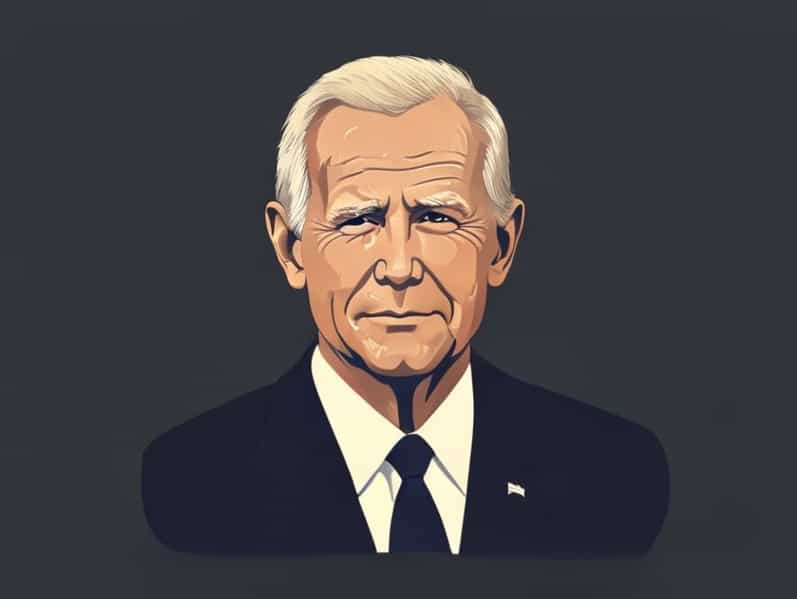
When George W. Bush served as the 43rd President of the United States from 2001 to 2009, his vice president was Dick Cheney. The partnership between Bush and Cheney was one of the most powerful and closely examined relationships in modern American politics. Their administration faced both unprecedented challenges and historic moments, from the September 11 attacks to the wars in Afghanistan and Iraq. Understanding the role of Bush’s vice president helps provide insight into how the executive branch operates during times of crisis and transformation.
The Role of the Vice President in the Bush Administration
The vice president’s role in the U.S. government traditionally serves as a backup to the president and as the president of the Senate. However, under George W. Bush, Dick Cheney’s influence expanded far beyond ceremonial duties. Cheney became one of the most powerful vice presidents in American history, shaping national security policy, foreign relations, and energy strategies.
During Bush’s two terms, Cheney acted as a key advisor and strategist, particularly on defense and intelligence matters. His extensive background as Secretary of Defense under George H. W. Bush and as a member of Congress gave him the experience to navigate Washington’s political and military networks effectively. This allowed him to exert considerable influence behind the scenes, making him a central figure in shaping the administration’s policies.
Early Partnership Between George W. Bush and Dick Cheney
When George W. Bush ran for president in 2000, he chose Dick Cheney not only as his running mate but also as the head of his vice-presidential search committee. Cheney’s deep understanding of government and his connections within the Republican Party made him an appealing choice. Many political observers saw him as a stabilizing figure who could compensate for Bush’s relative lack of experience in Washington.
After their victory, Cheney quickly established himself as more than just a secondary figure. He was involved in daily briefings, strategic meetings, and high-level decisions. His role was especially visible after the terrorist attacks on September 11, 2001, when Bush and Cheney coordinated national responses from secure locations. Cheney’s focus on strengthening executive power and national defense became defining features of the Bush administration’s approach to governance.
Cheney’s Influence on National Security and Foreign Policy
Dick Cheney’s tenure as vice president is most closely associated with the expansion of U.S. military and intelligence operations following 9/11. He played a central role in developing and advocating for the War on Terror, which included the invasions of Afghanistan in 2001 and Iraq in 2003. Cheney strongly supported the notion of preemptive strikes acting against perceived threats before they could materialize fully.
His office also influenced the use of enhanced interrogation techniques, secret detention centers, and surveillance programs. These policies, while defended as necessary for national security, sparked intense debate over human rights and civil liberties. Cheney’s assertive stance often contrasted with more cautious voices within the administration, reinforcing his reputation as a forceful policymaker.
Economic and Energy Policies During the Bush Years
Beyond foreign affairs, Cheney also had a major hand in shaping domestic policy, particularly in the energy sector. As a former CEO of Halliburton, one of the world’s largest oilfield services companies, Cheney brought deep industry knowledge and strong connections to the energy world. In 2001, he led the National Energy Policy Development Group, which aimed to expand domestic energy production and reduce dependence on foreign oil.
Critics accused Cheney of prioritizing corporate interests and lacking transparency, especially when his energy task force met privately with industry executives. Nonetheless, the administration maintained that its energy strategy was focused on ensuring long-term stability and economic growth.
The Dynamic Between President Bush and Vice President Cheney
While George W. Bush and Dick Cheney maintained a united front publicly, their partnership evolved over time. Early in Bush’s presidency, Cheney was seen as the dominant figure, often guiding policy decisions and managing key issues. However, as Bush gained experience and confidence, especially during his second term, he began to assert more independent leadership.
By 2005, Bush started distancing himself from some of Cheney’s more hardline positions, particularly regarding foreign interventions and interrogation practices. The later years of the Bush-Cheney relationship reflected this shift, with the president taking a more central role in decision-making while Cheney continued to influence policy from the background.
Controversies and Criticisms
The vice presidency of Dick Cheney remains one of the most controversial in U.S. history. Critics argue that he expanded executive power beyond constitutional limits, sidelining Congress and shaping policies with minimal oversight. His involvement in intelligence reports leading to the Iraq War, especially concerning weapons of mass destruction, remains one of the most scrutinized aspects of the Bush administration.
Supporters, however, view Cheney as a decisive leader who prioritized national security in an era of global uncertainty. His approach, they argue, prevented further terrorist attacks on U.S. soil and strengthened America’s defense capabilities. Whether admired or criticized, Cheney’s tenure as vice president undeniably redefined the scope of the office.
The Legacy of George W. Bush and His Vice President
Looking back, the partnership between George W. Bush and Dick Cheney shaped the direction of American politics in the early 21st century. The events of their administration particularly the 9/11 attacks, the wars in Afghanistan and Iraq, and the financial crisis of 2008 had long-lasting effects on U.S. domestic and foreign policy.
Cheney’s assertive style and Bush’s leadership combined to form a presidency marked by strong executive control and a willingness to take bold actions. While some historians criticize the administration for its controversial policies, others credit it for its decisive response to national threats and its efforts to maintain stability during turbulent times.
Lessons from the Bush-Cheney Administration
The Bush-Cheney years offer several lessons about the balance of power within the executive branch. One key takeaway is that the influence of a vice president largely depends on the trust and authority granted by the president. In this case, Bush’s reliance on Cheney during the early years of his presidency allowed the vice president to play an unusually central role in policymaking.
- The importance of clear accountability in shared leadership roles
- The risks of expanding executive power without oversight
- The long-term consequences of foreign intervention policies
- The need for transparency in government decision-making
These lessons continue to inform discussions about presidential power and the responsibilities of the vice presidency today.
The Lasting Impact of Bush’s Vice President
George W. Bush’s vice president, Dick Cheney, remains a defining figure in modern American political history. His time in office demonstrated how the role of vice president could evolve from a largely symbolic position into one of immense power and influence. The Bush-Cheney administration left a complex legacy one characterized by both strength and controversy. Whether viewed as a model of decisive leadership or as an example of overreach, their partnership continues to shape how historians, scholars, and citizens understand the balance between national security, executive authority, and democratic principles in the United States.