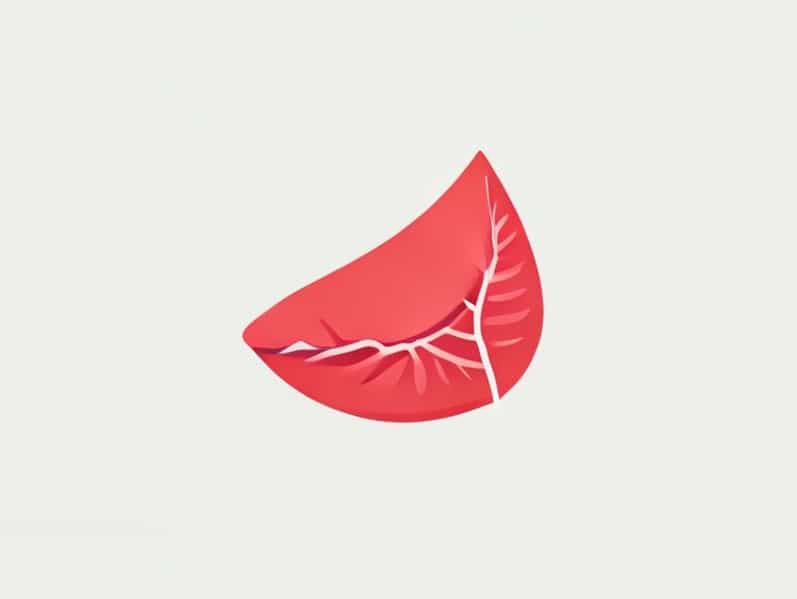
The human body contains several small but vital structures that play essential roles in survival, and one of these is the epiglottis. Though it might appear as a simple flap of tissue, the epiglottis performs an incredibly important function in the respiratory and digestive systems. Without it, the simple act of swallowing could lead to dangerous consequences. Understanding the function of the epiglottis helps explain how the body maintains the separation of food and air pathways, ensuring safety and efficiency in breathing and eating.
What Is the Epiglottis?
The epiglottis is a leaf-shaped flap made of elastic cartilage located at the entrance of the larynx, behind the tongue and in front of the pharynx. It is covered by a mucous membrane that helps protect it and keep it moist. In simple terms, it acts like a switch between the trachea (windpipe) and the esophagus (food pipe), controlling which pathway opens depending on whether a person is breathing or swallowing.
When you breathe, the epiglottis remains open, allowing air to pass freely into the trachea and lungs. When you swallow, it automatically folds down to cover the opening of the trachea, directing food and liquid into the esophagus instead. This reflexive movement prevents choking and aspiration.
The Function of the Epiglottis
The primary function of the epiglottis is to prevent food and liquids from entering the respiratory tract. It acts as a gatekeeper that ensures the correct passage of air and food through separate routes. This process is coordinated with the swallowing reflex, which is controlled by the brainstem. The epiglottis closes the laryngeal inlet at just the right moment to prevent substances from entering the lungs.
1. Protection of the Airway
One of the most crucial functions of the epiglottis is airway protection. Without it, food or drink could easily enter the trachea and lungs, leading to choking or aspiration pneumonia. The epiglottis acts as a shield, covering the entrance to the larynx when swallowing occurs. This action is part of a well-coordinated reflex involving the muscles of the pharynx and larynx.
2. Assisting in Swallowing
During swallowing, several movements happen almost simultaneously. The tongue pushes food to the back of the throat, the soft palate rises to close off the nasal cavity, and the larynx moves upward. At this precise moment, the epiglottis tilts backward, covering the airway. This coordination ensures that food moves safely into the esophagus and not into the respiratory tract.
3. Role in Speech and Breathing
While the epiglottis is primarily known for its protective role, it also plays a part in speech production. The position of the epiglottis can influence the tone and resonance of the voice. In some languages, certain sounds are even produced using the epiglottis. During breathing, it stays upright, ensuring that air can move unobstructed from the mouth or nose into the lungs.
Structure and Anatomy of the Epiglottis
The epiglottis is composed of elastic cartilage, which allows it to bend and return to its original shape easily. This flexibility is essential for its function. The upper surface is covered with non-keratinized stratified squamous epithelium, which provides durability against friction during swallowing. The lower portion, closer to the trachea, is covered by respiratory epithelium, similar to that found in the rest of the airway.
It is connected to surrounding structures through ligaments and folds, such as the hyoepiglottic ligament, which attaches it to the hyoid bone, and the aryepiglottic folds, which help form the entrance to the larynx.
Mechanism of Action During Swallowing
The movement of the epiglottis is part of a complex sequence known as deglutition, or swallowing. The process can be divided into three stages
- Oral phaseThe tongue pushes the food bolus toward the back of the mouth.
- Pharyngeal phaseThe larynx rises and the epiglottis folds backward to cover the trachea.
- Esophageal phaseFood enters the esophagus and is transported to the stomach through peristaltic movement.
The second phase is where the epiglottis plays its most vital role. The downward motion of the epiglottis is not due to muscle contraction but rather a passive movement caused by the elevation of the larynx and pressure from the food bolus.
Disorders and Problems Involving the Epiglottis
Despite its small size, the epiglottis can be affected by various medical conditions that interfere with breathing and swallowing. One of the most serious isepiglottitis, a potentially life-threatening inflammation of the epiglottis, often caused by bacterial infection. In severe cases, the swollen epiglottis can block the airway entirely, requiring emergency treatment.
Other conditions include
- Epiglottic cystsBenign growths that can obstruct airflow or cause discomfort.
- TraumaInjury to the neck or throat can damage the epiglottis and impair its function.
- Neurological disordersConditions affecting nerve control may disrupt the epiglottis’s coordination during swallowing, leading to aspiration.
Diagnosis and Treatment of Epiglottic Disorders
Doctors typically diagnose epiglottic problems through physical examination, laryngoscopy, or imaging studies. In the case of epiglottitis, symptoms often include severe sore throat, fever, difficulty breathing, and drooling. Because it can progress rapidly, it is considered a medical emergency. Treatment may involve antibiotics, corticosteroids, and in severe cases, securing the airway through intubation or tracheostomy.
For less severe issues, such as minor irritation or small cysts, treatment may involve medication, hydration, and monitoring. Speech therapy may also help patients who experience difficulty swallowing due to nerve or muscle dysfunction.
Importance of the Epiglottis in Daily Life
Every time a person eats, drinks, or even swallows saliva, the epiglottis performs its duty silently and effectively. Most people never notice it until something goes wrong. It is a remarkable example of how a small structure can have a major impact on survival. The coordination between breathing and swallowing is one of the most critical reflexes in the human body, and the epiglottis is at the center of that process.
Maintaining a Healthy Epiglottis
Maintaining good respiratory and throat health is key to keeping the epiglottis functioning properly. Avoiding smoking, staying hydrated, and preventing infections through proper hygiene can all reduce the risk of inflammation or irritation. Additionally, prompt medical care for throat infections or persistent hoarseness can prevent complications that might affect the epiglottis.
The epiglottis is a small yet powerful structure that plays a vital role in human survival. Its main function is to act as a gatekeeper between the respiratory and digestive systems, preventing food and liquid from entering the airway while allowing air to pass freely during breathing. Beyond this, it contributes to speech and vocal resonance. Understanding the function of the epiglottis highlights the intricate coordination within the body that makes everyday actions like eating and breathing possible. Though often overlooked, this tiny flap of cartilage is truly one of nature’s most efficient and indispensable mechanisms.