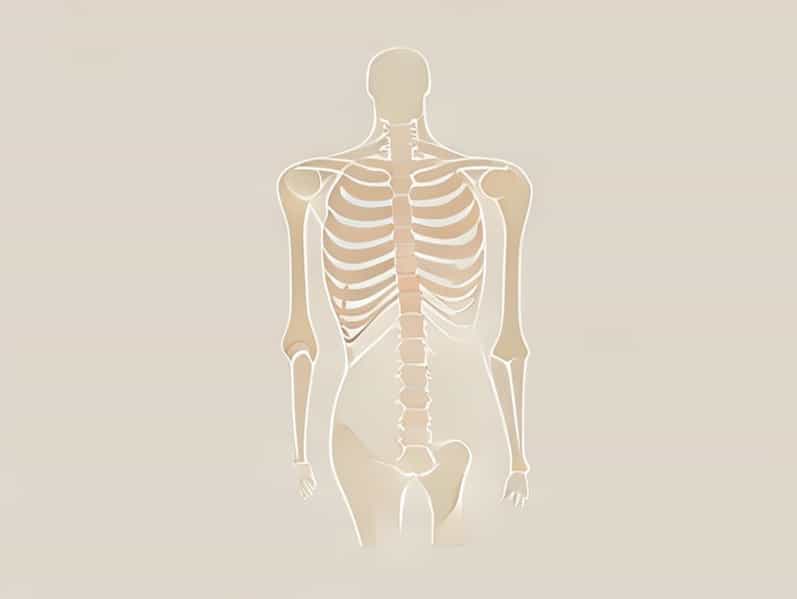
The glenohumeral joint, commonly referred to as the shoulder joint, is one of the most mobile and complex joints in the human body. Proper alignment of the glenohumeral joint is essential for optimal shoulder function, stability, and range of motion. When the joint is described as anatomic, it refers to the normal, physiologic positioning of the humeral head within the glenoid fossa, allowing the joint to move smoothly while minimizing stress on surrounding muscles, ligaments, and tendons. Understanding the principles of anatomic glenohumeral alignment is crucial for clinicians, physical therapists, athletes, and anyone seeking to maintain shoulder health.
Anatomy of the Glenohumeral Joint
The glenohumeral joint is a ball-and-socket joint formed by the articulation of the humeral head and the glenoid cavity of the scapula. Its structure allows for a wide range of motion, including flexion, extension, abduction, adduction, rotation, and circumduction. The joint is supported by a complex network of ligaments, tendons, and muscles, particularly the rotator cuff muscles, which stabilize the humeral head during movement. The alignment of the joint is maintained through the coordinated action of these soft tissue structures and the bony congruence of the humeral head and glenoid.
Key Structures Contributing to Alignment
- Glenoid FossaThe shallow socket of the scapula that articulates with the humeral head. Its slight concavity and surrounding labrum contribute to stability.
- Humeral HeadThe spherical upper end of the humerus that fits into the glenoid fossa. Proper orientation is crucial for smooth movement.
- Rotator Cuff MusclesThe supraspinatus, infraspinatus, teres minor, and subscapularis muscles stabilize the joint dynamically.
- Capsular LigamentsProvide passive stability, particularly during extremes of motion.
- LabrumA fibrocartilaginous rim that deepens the glenoid cavity, enhancing congruity and joint stability.
Defining Anatomic Alignment
Anatomic alignment of the glenohumeral joint refers to the position in which the humeral head is centered within the glenoid cavity without subluxation or displacement. In this position, the joint surfaces are congruent, stress on the capsule and ligaments is minimal, and the rotator cuff muscles operate efficiently. Anatomic alignment is critical for preventing joint wear, impingement, and injuries such as dislocations or rotator cuff tears.
Factors Influencing Alignment
- Bony AnatomyVariations in glenoid version, humeral head retroversion, or deformities can affect joint alignment.
- Muscle BalanceAdequate strength and coordination of the rotator cuff and periscapular muscles help maintain the humeral head in a neutral position.
- Ligamentous IntegrityThe glenohumeral ligaments and capsule contribute to passive stabilization, preventing excessive translation of the humeral head.
- Posture and Scapular PositionProper scapular orientation ensures that the glenoid fossa is positioned optimally for humeral articulation.
Clinical Significance of Anatomic Alignment
Maintaining anatomic alignment of the glenohumeral joint is vital for joint longevity and functional performance. Misalignment can lead to instability, pain, reduced range of motion, and long-term degenerative changes. Clinicians often assess glenohumeral alignment during physical examinations, using palpation, range of motion tests, and imaging studies such as X-rays or MRI scans. Identifying malalignment early can guide interventions to restore optimal positioning and prevent chronic shoulder problems.
Consequences of Malalignment
- Shoulder InstabilityDislocation or subluxation can occur if the humeral head is not properly centered within the glenoid fossa.
- Rotator Cuff InjuryImproper alignment increases stress on the rotator cuff tendons, leading to tears or tendinopathy.
- Impingement SyndromeAbnormal positioning can compress soft tissues under the acromion, causing pain and inflammation.
- OsteoarthritisChronic malalignment can accelerate cartilage wear and joint degeneration.
Maintaining Glenohumeral Alignment
Proper shoulder mechanics, muscle conditioning, and posture are essential for preserving anatomic glenohumeral alignment. Physical therapy programs often focus on strengthening the rotator cuff and periscapular muscles to stabilize the joint dynamically. Additionally, education on proper ergonomics, lifting techniques, and athletic training can help prevent injury and maintain joint congruency over time.
Exercises for Alignment
- Rotator Cuff StrengtheningExercises such as internal and external rotation with resistance bands help stabilize the humeral head.
- Scapular StabilizationRows, scapular retractions, and wall slides improve scapular positioning, supporting the glenoid fossa.
- Postural TrainingFocusing on upright posture and thoracic extension reduces abnormal stress on the shoulder joint.
- Flexibility and MobilityStretching the pectoralis minor, posterior capsule, and surrounding musculature enhances joint range of motion and alignment.
Assessment and Imaging
Healthcare professionals use a combination of clinical assessment and imaging to evaluate glenohumeral alignment. Physical examination includes observing shoulder symmetry, palpating the humeral head, and assessing joint range of motion. Imaging techniques, such as X-ray, MRI, or CT scans, provide detailed views of bony structures, soft tissues, and labral integrity. These assessments help identify deviations from anatomic alignment and guide treatment planning, whether surgical or conservative.
Imaging Considerations
- X-rayProvides clear visualization of bony structures and joint spacing.
- MRIOffers detailed images of soft tissues, including the rotator cuff and labrum.
- CT ScanUseful for assessing complex bony deformities or post-surgical alignment.
Anatomic alignment of the glenohumeral joint is essential for optimal shoulder function, stability, and long-term joint health. Proper positioning of the humeral head within the glenoid fossa, supported by the rotator cuff, ligaments, and scapular positioning, allows smooth and efficient shoulder motion. Understanding the factors that influence alignment, the consequences of malalignment, and strategies for maintaining optimal positioning is critical for clinicians, athletes, and anyone seeking to preserve shoulder health. Through strengthening exercises, postural training, and careful assessment, the anatomic alignment of the glenohumeral joint can be maintained, minimizing the risk of injury and promoting effective, pain-free movement throughout life.