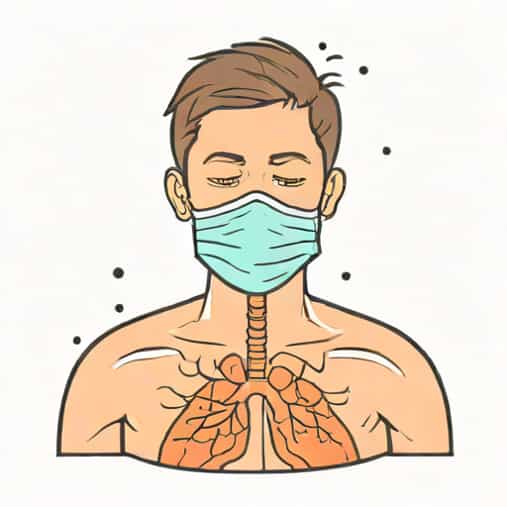
Streptococcal infections are common bacterial infections caused by Streptococcus bacteria, and they can range from mild illnesses like strep throat to more severe conditions such as skin infections or invasive diseases. Understanding how you get a streptococcal infection is crucial for preventing its spread and recognizing the symptoms early. These infections are highly contagious and can affect people of all ages, though children are particularly susceptible. The bacteria can enter the body through various routes, including direct contact, respiratory droplets, and breaks in the skin. By exploring the modes of transmission, risk factors, and preventive measures, individuals can take steps to protect themselves and others from these infections.
What is a Streptococcal Infection?
A streptococcal infection occurs when Streptococcus bacteria invade the body and multiply, causing symptoms ranging from mild to severe. There are several types of Streptococcus bacteria, but group A Streptococcus (GAS) is the most common cause of illnesses such as strep throat, scarlet fever, and skin infections like impetigo. Group B Streptococcus (GBS) can also cause infections, particularly in newborns and people with weakened immune systems. The severity and symptoms of a streptococcal infection depend on the site of infection and the individual’s overall health.
Common Symptoms
The symptoms of a streptococcal infection vary depending on the type of infection. Common signs include
- Sore throat and difficulty swallowing (strep throat)
- Red and swollen tonsils, sometimes with white patches
- Fever and body aches
- Skin redness, swelling, or pustules (for skin infections)
- Fatigue and general malaise
Early recognition of these symptoms is important for timely medical intervention, as untreated infections can lead to complications such as rheumatic fever or kidney inflammation.
How Streptococcal Infections Spread
Streptococcal infections are highly contagious, and the bacteria can be transmitted in several ways. The most common route of transmission is through respiratory droplets when an infected person coughs, sneezes, or talks. These droplets can land in the mouth or nose of another person, leading to infection. Direct contact with an infected person or contaminated surfaces can also spread the bacteria. Additionally, cuts or breaks in the skin can serve as entry points for bacteria, resulting in skin infections.
Direct Contact Transmission
Direct contact with an infected person, such as kissing or sharing utensils, can spread Streptococcus bacteria. Children in schools or daycare centers are particularly at risk due to close physical interactions and shared items. Maintaining proper hygiene, such as handwashing and avoiding sharing personal items, can help reduce the risk of transmission in these environments.
Respiratory Droplets
When a person with a streptococcal infection coughs or sneezes, droplets containing the bacteria can travel through the air and be inhaled by others. This mode of transmission is particularly common with strep throat and other respiratory infections. Wearing masks, covering the mouth and nose when sneezing, and staying home when sick are effective measures to prevent the spread of infection through respiratory droplets.
Contaminated Surfaces
Streptococcus bacteria can survive on surfaces for a short period, making it possible to contract the infection by touching contaminated objects and then touching the mouth, nose, or eyes. Common surfaces include doorknobs, phones, and shared utensils. Regular cleaning and disinfecting of frequently touched surfaces can significantly reduce the risk of infection.
Skin Entry
Breaks in the skin, such as cuts, abrasions, or insect bites, provide a pathway for Streptococcus bacteria to enter the body. Skin infections such as impetigo or cellulitis often develop through these entry points. Keeping wounds clean, covering them with sterile dressings, and avoiding contact with infected individuals can help prevent skin-related streptococcal infections.
Risk Factors for Streptococcal Infections
Certain factors increase the likelihood of contracting a streptococcal infection. Children are more susceptible due to frequent close contact in schools and limited immunity. Individuals with weakened immune systems, chronic illnesses, or poor hygiene practices are also at higher risk. Living in crowded conditions, such as dormitories or shelters, further facilitates the spread of the bacteria.
Environmental and Lifestyle Factors
Environmental conditions and lifestyle habits can influence the risk of infection. Poor sanitation, inadequate handwashing, and exposure to infected individuals increase susceptibility. Seasonal variations also play a role; streptococcal infections tend to be more common during winter and early spring when respiratory illnesses are prevalent, and people spend more time in close indoor settings.
Preventing Streptococcal Infections
Preventing streptococcal infections involves a combination of personal hygiene, environmental control, and prompt medical attention. Key preventive measures include
- Frequent handwashing with soap and water
- Avoiding close contact with individuals who are infected
- Disinfecting commonly touched surfaces regularly
- Covering the mouth and nose when sneezing or coughing
- Properly cleaning and covering cuts, abrasions, or wounds
Vaccines are not currently available for most streptococcal infections, making these hygiene practices critical for prevention.
Seeking Medical Attention
Early medical intervention is important if infection is suspected. A healthcare professional can perform tests, such as a throat swab or blood culture, to confirm the presence of Streptococcus bacteria. Prompt treatment with antibiotics, such as penicillin or amoxicillin, can prevent complications and reduce the spread of the bacteria to others. Completing the full course of antibiotics is essential to ensure the infection is fully eradicated.
Complications of Untreated Streptococcal Infections
If left untreated, streptococcal infections can lead to serious health complications. These may include rheumatic fever, which can damage the heart valves, kidney inflammation (post-streptococcal glomerulonephritis), and severe skin infections that spread to deeper tissues. Understanding how infections occur and seeking timely treatment reduces the risk of these potentially life-threatening outcomes.
Importance of Awareness
Being aware of how streptococcal infections are transmitted and recognizing early symptoms can significantly improve outcomes. Education on hygiene, infection control, and responsible behavior when sick helps limit the spread of bacteria. Awareness is particularly important in schools, healthcare settings, and households where close contact can facilitate rapid transmission.
Getting a streptococcal infection occurs through direct contact with infected individuals, respiratory droplets, contaminated surfaces, and breaches in the skin. Understanding these transmission pathways, recognizing risk factors, and practicing good hygiene are essential steps in preventing infection. Early medical evaluation and appropriate antibiotic treatment can prevent complications and limit the spread of bacteria. By following preventive measures and being vigilant about symptoms, individuals can protect themselves and their communities from the potentially serious effects of streptococcal infections.