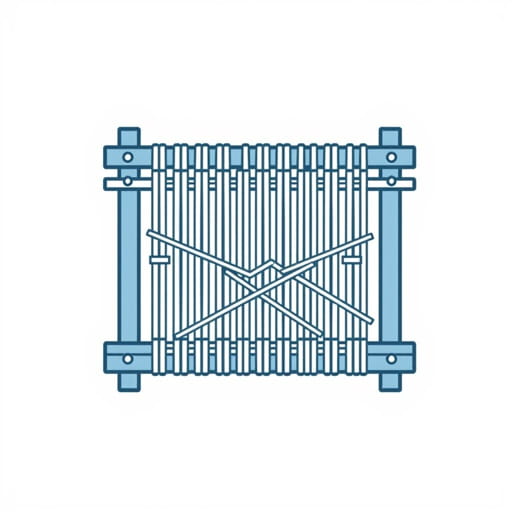
Overshot weaving is a fascinating and historical weaving technique that produces intricate, decorative patterns using a relatively simple process. Known for its stunning geometric designs and strong traditional roots, overshot weaving is both accessible to beginners and deeply satisfying for experienced weavers. This style of weaving was commonly used in early American textiles, especially in coverlets and household fabrics. With a few basic tools and an understanding of how the overshot weave structure works, anyone can begin crafting beautiful woven pieces that blend artistry and function. The process involves using two weft threads one for the pattern and one for the ground creating a layered effect that results in its signature texture and look.
What Is Overshot Weaving?
Understanding the Structure
Overshot weaving is a weft-faced weave where a pattern weft floats over a tabby ground structure. It uses a four-shaft loom and alternates between plain weave (tabby) picks and pattern picks to build the design. The warp threads are usually a solid color, while the pattern weft is often a contrasting or bold color to emphasize the design.
The name ‘overshot’ comes from the pattern weft ‘shooting over’ the warp threads in long floats, which define the complex visual motifs. This structure allows for striking shapes such as stars, roses, wheels, and geometric arrangements that are both timeless and elegant.
Materials and Equipment Needed
Essential Tools for Overshot Weaving
To start with overshot weaving, you’ll need the following:
- Loom: A four-shaft loom is required, although a table loom or floor loom will both work.
- Warp yarn: Typically, a fine, strong yarn like 10/2 cotton.
- Weft yarn: Two types – a tabby weft (same or similar yarn as warp) and a pattern weft (heavier yarn such as wool, cotton flake, or thicker cotton).
- Shuttles: At least two – one for tabby and one for pattern weft.
- Warping board or reel: For measuring and preparing your warp.
- Draft or pattern: A weaving draft that includes threading, treadling, and tie-up instructions.
How Overshot Weaving Works
Basic Principles
Overshot weaving alternates between two types of picks: one pattern pick and one tabby pick. The tabby keeps the fabric stable, while the pattern pick creates the float. Here’s how it works in simple terms:
- Pattern pick: A thicker yarn is woven according to a pattern draft to create the float and design.
- Tabby pick: A thinner yarn is woven in plain weave between each pattern pick to secure the structure.
The repeated alternation between pattern and tabby picks builds up the beautiful, repeating motifs across the woven cloth.
Steps to Do Overshot Weaving
1. Choose a Draft
Select a traditional or modern overshot weaving draft. A draft includes:
- Threading: How each warp thread is placed through the heddles across the four shafts.
- Tie-up: Tells you which treadles to connect to which shafts.
- Treadling: The order in which the treadles are pressed during weaving.
Some well-known overshot patterns include Lee’s Surrender, Orange Peel, and Star of Bethlehem. You can find drafts in weaving books or design your own using weaving software.
2. Warp the Loom
Measure and wind your warp using the selected yarn. Dress the loom by threading the heddles according to your draft, sley the reed, tie on the warp, and tension it evenly. Good warping technique ensures clean sheds and even tension, which are crucial for success in overshot weaving.
3. Weave the Header
Begin with a header using scrap yarn to spread out the warp and establish even tension. This sets up the fabric and makes sure your pattern will begin correctly.
4. Begin the Overshot Pattern
Start weaving using the draft’s treadling sequence. Alternate between:
- One pattern pick with the thicker yarn
- One tabby pick with the thinner yarn (alternating shafts 1 & 2, then 3 & 4)
Continue this rhythm, making sure the tabby is always correctly placed between each pattern pick. The tabby helps prevent overly long floats and ensures the piece stays strong and durable.
5. Monitor the Design
As you weave, check the design regularly. Overshot patterns often appear slowly, so it’s important to keep an eye on the visual development and maintain even tension and beat. Use a temple if needed to keep your edges straight and prevent draw-in.
6. Finishing Your Project
Once the desired length is reached, finish your weaving by weaving a few rows of plain weave and cutting the fabric off the loom. Hem or fringe the edges depending on the final use of the fabric. Wet-finishing may be required to help the fabric settle and achieve the final texture and drape.
Tips for Better Overshot Results
- Beat lightly: Let the pattern floats sit nicely on the surface. Avoid packing them in too tightly.
- Keep a consistent rhythm: Always alternate pattern and tabby picks without skipping.
- Check your shed: Clear sheds help avoid missed threads and flawed patterns.
- Sample first: Weaving a small sample helps test your tension, colors, and pattern clarity.
- Experiment with color: Try different warp and weft combinations to bring out different elements in the pattern.
Modern Applications of Overshot Weaving
Beyond Coverlets
Though traditionally used for coverlets, overshot weaving can be applied to modern textiles such as:
- Table runners
- Pillow covers
- Wall hangings
- Handbags
- Scarves and wraps
Its ability to create bold visual impact makes it perfect for statement textiles and home decor pieces. It’s also a favorite among weavers who love combining history with artistry.
Overshot weaving offers a perfect blend of tradition, creativity, and precision. Its repetitive structure and graphic patterns make it a satisfying process for anyone who enjoys detailed handiwork. Whether you’re using a classic pattern or designing your own draft, this style of weaving is ideal for creating heirloom-quality fabrics and stunning visual pieces. With a basic four-shaft loom, quality yarns, and attention to technique, overshot weaving opens up endless creative possibilities. As you gain confidence, you can experiment with colors, scale, and fibers to personalize every project. Dive into this timeless craft and discover the joy of building intricate woven art, one pick at a time.