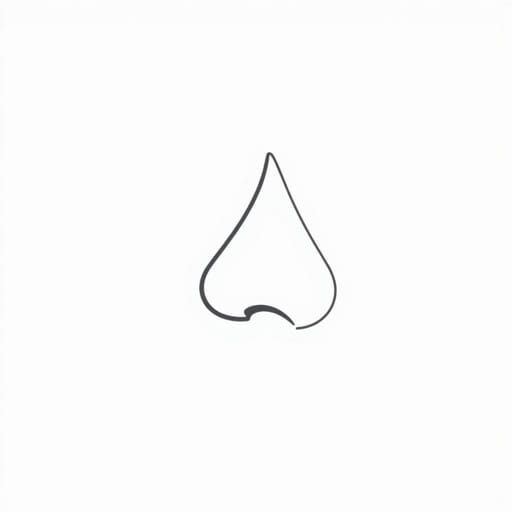
Learning how to draw a nose is an important step in improving your overall portrait drawing skills. The nose is one of the central features of the human face, and although it might seem simple at first glance, it actually has a unique and complex structure. Capturing the form, shading, and proportions of the nose correctly can dramatically improve the realism and balance of your drawings. Whether you’re working in pencil, charcoal, or digital tools, understanding the underlying structure of the nose is key to making it look natural and believable on paper.
Understanding Nose Anatomy for Drawing
Before putting pencil to paper, take a moment to study the basic anatomy of the nose. A realistic nose drawing starts with an understanding of its form. The nose consists of cartilage and bone, but what you need to focus on are the visible parts and how light interacts with them.
Main Parts of the Nose
- Bridge: The top part that starts between the eyes
- Nasal bone: The upper part that connects to the forehead
- Ball or tip: The rounded end of the nose
- Nostrils: Openings on either side of the base
- Alae: The curved outer sides of the nostrils
Each of these parts contributes to the overall shape and form of the nose. Observing how they interact with light and shadow is essential for drawing the nose accurately.
Materials Needed
You don’t need many tools to learn how to draw a nose effectively. Here’s a simple list of what you can use:
- Pencil (preferably HB, 2B, and 4B)
- Kneaded eraser
- Blending stump or tissue for shading
- Sketchbook or drawing paper
Optional materials include charcoal for more dramatic contrast or digital drawing tools if you’re working on a tablet.
Step-by-Step Guide to Drawing a Nose
Step 1: Start With Basic Guidelines
Begin by lightly sketching a vertical centerline. This line helps with symmetry and alignment. Then, draw a horizontal line crossing it to represent the bottom of the nose. You can add two more horizontal lines above it to indicate the bridge and the start of the eyebrows. These guide lines create a framework to keep your proportions consistent.
Step 2: Sketch the Nose Shape
Use basic geometric shapes to outline the nose. Draw a triangle pointing down, with the bottom corners representing the nostrils and the tip at the bottom of the nose. Add circles or ovals for the ball and the nostrils. These shapes don’t have to be perfect they’re just to guide the placement and volume.
Step 3: Refine the Outline
Now, begin refining the outline based on the shapes you’ve drawn. Round out the edges, smooth the lines, and begin defining the wings (alae) of the nose. The bridge should taper gently as it rises toward the eyes. Make sure to keep both sides balanced, especially if you’re drawing the nose from a frontal view.
Step 4: Add Light and Shadow
To make your drawing look three-dimensional, shading is key. Identify the light source in your drawing. The side of the nose facing away from the light will be in shadow. Use light pencil strokes to build up shadows along the sides of the bridge, under the ball of the nose, and in the nostrils.
- Darkest areas: inside the nostrils and directly under the nose
- Mid-tones: sides of the bridge and tip
- Highlights: the bridge and top of the ball where light hits directly
Use a blending stump or tissue to smooth out the shading. Avoid harsh lines noses are soft and rounded, so transitions should be gradual.
Step 5: Define the Nostrils
The nostrils are often misunderstood. They’re not circles or perfect ovals they’re shaped more like curved slits that taper at the ends. Use soft lines and dark shading inside the nostrils to create depth. Avoid outlining them heavily, as this can make the nose look cartoonish.
Step 6: Final Touches
Review the entire drawing. Adjust any asymmetry and refine your shadows and highlights. Use your eraser to lift highlights on the bridge or tip, and darken the shadows for more contrast. Look at reference photos if needed to check the accuracy of your drawing.
Tips for Drawing Realistic Noses
- Use references whenever possible, including photos or mirrors
- Practice drawing noses from different angles (front, 3/4, and profile)
- Study how light falls on different nose shapes and sizes
- Keep your lines light and build up shadows gradually
- Don’t outline the entire nose instead, use shading to show form
Drawing Noses from Different Angles
Understanding how to draw a nose from multiple perspectives can greatly improve your portrait skills. The structure of the nose changes visually depending on the viewing angle.
Front View
In a front view, both nostrils are visible and symmetrical. The bridge appears narrow and the tip rounded. Shadows will fall equally on both sides if the lighting is centered.
Three-Quarter View
This is a common pose in portraits. One nostril appears more prominently, and the bridge may curve slightly. Shading helps show the shift in depth and direction.
Profile View
In profile, the full outline of the nose becomes visible. The bridge, tip, and nostrils are outlined clearly. Focus on the silhouette and add shadows below and behind the nose to suggest its projection.
Common Mistakes to Avoid
- Using hard outlines instead of shading to define shape
- Making both nostrils identical or perfectly round
- Overemphasizing the bridge without considering shading
- Ignoring asymmetry in real noses
- Forgetting the role of the light source in creating shadows
Practicing Nose Drawing Techniques
To improve your nose drawing skills, repetition and observation are essential. Try filling a sketchbook page with quick nose studies from various references. Experiment with different shading techniques cross-hatching, smooth blending, or stippling. Over time, you’ll start to recognize patterns in facial structure and improve your accuracy and confidence.
Learning how to draw a nose involves more than just copying a shape it’s about understanding form, light, and anatomy. By following a structured approach, practicing regularly, and observing real-life examples, you can develop the skills to draw noses that look realistic and expressive. With patience and dedication, your portrait drawings will benefit from the added depth and realism that comes with accurately capturing the human nose.