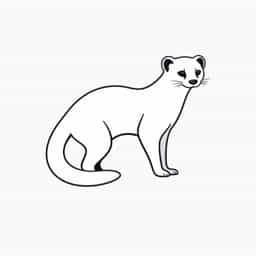
Drawing a polecat can be an enjoyable way to explore wildlife illustration, especially if you’re interested in sketching lesser-known mammals. The polecat, with its slender body, masked face, and bushy tail, provides a great opportunity to practice animal proportions, fur texture, and expressive features. Whether you’re drawing for fun, studying animal anatomy, or building a nature-themed portfolio, learning how to draw a polecat will help sharpen your observation skills and your control over lines and shading. This step-by-step guide is designed to help artists of all levels draw a detailed and accurate polecat with ease.
Materials Needed
Before you start sketching, it’s helpful to gather a few essential materials. These tools will make the drawing process more manageable and produce a cleaner final result:
- Graphite pencils (HB for sketching, 2B-6B for shading)
- Kneaded eraser or precision eraser
- Drawing paper or sketchbook
- Blending stump or cotton swab for shading
- Fine liner pen or marker (optional, for inking)
- Colored pencils or watercolor paints (optional)
Understanding Polecat Anatomy
To draw a realistic polecat, it’s important to understand its general physical structure. Polecats belong to the weasel family and have a similar elongated body. Their heads are narrow with sharp eyes, and their feet are short but strong. Recognizing these traits will help you sketch a more lifelike polecat and add proper proportions to your drawing.
Key features of a polecat:
- Long, slender body
- Short legs and small rounded paws
- Pointed snout and prominent nose
- Dark mask-like facial markings
- Fluffy, tapering tail
Step-by-Step Instructions for Drawing a Polecat
Step 1: Start with Basic Shapes
Begin your drawing by creating light outlines with simple shapes. These will serve as the foundation for your sketch and can be refined later.
- Draw an elongated oval for the body.
- Add a small circle for the head at one end of the oval.
- Sketch a tapering shape at the other end to represent the tail.
- Use short lines to place the legs under the body.
Keep your pencil strokes light so they can be adjusted or erased easily.
Step 2: Define the Head and Face
Once the main structure is in place, start refining the polecat’s head:
- Shape the head into a rounded triangle with a pointed snout.
- Add almond-shaped eyes, slightly angled for a natural expression.
- Draw a small triangular nose at the tip of the snout.
- Add two small, rounded ears positioned toward the top sides of the head.
Don’t forget to outline the dark mask markings common to most polecats. These add a lot of character to the animal’s face.
Step 3: Sketch the Body and Limbs
Now move on to shaping the polecat’s body:
- Smooth out the outline of the oval to represent a flexible, narrow torso.
- Sketch four short legs positioned under the body. The front legs should be slightly bent as if the polecat is moving forward.
- Add small paws with visible toes or claws, depending on your style.
Keep the legs slim but muscular, as polecats are agile and fast.
Step 4: Draw the Tail
The tail is a signature feature of the polecat. It is thick and bushy, helping the animal maintain balance and warmth.
- Extend the shape of the tail from the base of the body.
- Taper it gradually and add curves for a natural flow.
- Use rough, jagged lines to suggest fluff and volume.
Make sure the tail appears soft and well-blended with the rest of the body.
Step 5: Add Fur Texture
Fur is a key detail when drawing a polecat. Use small, directional strokes to give the illusion of texture:
- Follow the flow of the body when sketching fur lines.
- Use shorter strokes around the face, paws, and tail tip.
- Add more dense shading in areas like the belly, tail base, and neck folds.
You can also vary the pressure of your pencil to create light and dark patches that mimic real fur patterns.
Inking and Coloring Your Drawing
Optional Inking
To enhance your polecat drawing, consider outlining it with a fine liner or ink pen. This technique helps define shapes and gives your work a bold, clean look. After the ink dries, erase the pencil sketch underneath to leave a neat outline.
Coloring Your Polecat
If you choose to color your polecat, use natural hues to mimic the real animal’s coat. Most polecats have a mix of dark brown, black, cream, or grayish fur.
- Use light brown or beige for the underbelly and legs.
- Dark brown or black can be used for the back, tail, and mask.
- Add cream highlights around the face and throat for contrast.
- Blend colors with care to preserve the soft texture of fur.
Colored pencils are great for fine details, while watercolor or pastels can be used for softer shading.
Tips for Improving Your Polecat Drawing
- Use wildlife photos or videos as references to understand poses and anatomy better.
- Try drawing the polecat in different positions, such as lying down or standing alert.
- Practice sketching just the face to perfect the masked expression and fur around the eyes.
- Explore both realistic and cartoon styles to expand your technique and creativity.
Common Mistakes to Avoid
Being mindful of typical drawing errors can help you achieve better results:
- Overstretching the body polecats are long, but should still look compact and agile.
- Incorrect leg placement check reference images to place the paws properly under the body.
- Neglecting facial markings the mask is a signature polecat trait and adds personality.
- Too much symmetry natural animals rarely look perfectly even, so add slight variation.
Practice Variations
Once you’re comfortable with the basic drawing, try adding background elements such as forest floor, rocks, or burrows. Drawing environments gives your polecat more context and helps tell a story. You can also practice drawing baby polecats or kits for more variety in body size and proportions.
Mastering how to draw a polecat is a valuable skill for anyone interested in wildlife art, animal anatomy, or improving their drawing technique. With practice and careful observation, you can capture the unique elegance and wild spirit of this remarkable mammal. From its masked face to its soft fur and agile movements, the polecat provides endless inspiration for artists of all skill levels. Take your time, enjoy the process, and keep refining your lines until your polecat comes to life on the page.