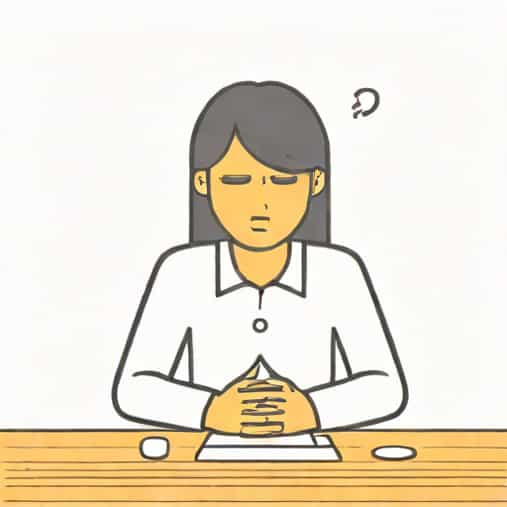
Feeling worthless can be an overwhelming and exhausting experience that affects many aspects of life, from relationships to work and self-care. These emotions often come from internal thoughts of inadequacy or external circumstances that make you question your value. While it is natural to have moments of self-doubt, persistent feelings of worthlessness can erode confidence and lead to anxiety or depression. Understanding how to cope with these feelings, rebuild self-esteem, and cultivate a sense of personal value is essential for emotional well-being and long-term mental health.
Understanding Feelings of Worthlessness
Before addressing feelings of worthlessness, it is important to understand what they are and where they come from. Worthlessness is often tied to negative self-perception, low self-esteem, and internalized criticism. Recognizing the patterns and triggers can help you take steps toward recovery.
Common Causes
- Past trauma or negative experiences, such as bullying or abuse.
- Unrealistic comparisons to others in social, professional, or personal life.
- Chronic stress, failure, or repeated setbacks that affect confidence.
- Mental health conditions like depression or anxiety.
- Lack of supportive relationships or a sense of community.
Recognizing the Signs
Identifying the emotional and behavioral signs of feeling worthless is the first step toward overcoming them
- Persistent negative self-talk or self-blame.
- Loss of interest in activities once enjoyed.
- Withdrawing from friends, family, or social activities.
- Difficulty making decisions or taking action due to self-doubt.
- Physical symptoms such as fatigue, sleep problems, or changes in appetite.
Practical Steps to Overcome Feelings of Worthlessness
Once you understand the sources of worthlessness, taking deliberate steps can help rebuild self-esteem and create a stronger sense of personal value. These strategies focus on both mental and practical approaches.
Challenge Negative Thoughts
Negative self-perception can reinforce feelings of worthlessness. Challenge these thoughts by
- Recognizing automatic negative thoughts and writing them down.
- Questioning the accuracy of these thoughts and looking for evidence to the contrary.
- Replacing harmful self-talk with positive affirmations and realistic self-assessments.
- Practicing mindfulness to become aware of thoughts without judgment.
Set Small, Achievable Goals
Accomplishing small goals helps build a sense of competence and self-worth
- Start with simple tasks such as organizing your space or completing daily chores.
- Gradually increase the difficulty of goals to challenge yourself positively.
- Celebrate each accomplishment, no matter how small, to reinforce self-confidence.
- Use goal-setting to create a sense of purpose and direction.
Focus on Strengths and Passions
Identifying and nurturing personal strengths and interests can improve self-esteem
- Make a list of your skills, talents, and qualities you value about yourself.
- Engage in activities that bring joy, fulfillment, or a sense of achievement.
- Volunteer, create, or contribute in ways that emphasize your strengths.
- Surround yourself with environments that reinforce your abilities and passions.
Build Supportive Relationships
Human connection is essential for overcoming feelings of worthlessness
- Seek out friends, family, or community groups who provide encouragement and understanding.
- Share your feelings with trusted individuals rather than isolating yourself.
- Participate in social activities or online communities that align with your interests.
- Consider mentorship or peer support to receive guidance and perspective.
Practice Self-Care
Taking care of your physical and mental well-being can have a significant impact
- Maintain a balanced diet, regular exercise, and adequate sleep.
- Engage in relaxation techniques such as meditation, deep breathing, or yoga.
- Set boundaries to protect yourself from negative influences or toxic environments.
- Make time for hobbies, leisure, and activities that bring personal satisfaction.
Seeking Professional Help
Sometimes feelings of worthlessness can be intense or persistent, requiring professional support. Therapy or counseling can help address underlying issues and provide structured strategies to rebuild self-worth.
Types of Professional Support
- Cognitive Behavioral Therapy (CBT) to challenge negative thoughts and build coping skills.
- Psychotherapy for exploring past experiences and emotional patterns.
- Support groups where individuals share experiences and strategies for improvement.
- Consultation with a psychiatrist if medication may be necessary for mental health conditions.
When to Seek Help
Seek professional support if
- Feelings of worthlessness persist for weeks or months.
- These emotions interfere with daily functioning, work, or relationships.
- Self-harm thoughts or behaviors occur.
- Other strategies have not alleviated distress.
Maintaining Long-Term Self-Worth
Overcoming feelings of worthlessness is not a one-time effort. Long-term strategies help sustain self-esteem and prevent recurring negative thoughts.
Maintain a Gratitude Practice
Focusing on positive aspects of life can improve perspective
- Write down three things you are grateful for each day.
- Reflect on achievements, relationships, and moments of joy.
- Use gratitude to counterbalance negative self-perceptions.
Continuous Personal Growth
Investing in personal development reinforces value and self-respect
- Learn new skills, pursue hobbies, or explore interests that enhance confidence.
- Set ongoing goals that challenge and motivate you.
- Reflect regularly on progress and acknowledge improvements, however small.
Practice Self-Compassion
Being kind to yourself is crucial for emotional resilience
- Avoid harsh self-criticism or comparing yourself excessively to others.
- Recognize that everyone experiences setbacks and imperfections.
- Use affirmations and gentle encouragement to reinforce self-worth.
Feeling worthless can be a deeply challenging experience, but it is possible to regain a sense of personal value and confidence. Understanding the root causes of these feelings, challenging negative thoughts, setting achievable goals, focusing on strengths, building supportive relationships, and practicing self-care are key strategies. Professional help, such as therapy or counseling, can provide additional guidance for persistent or intense feelings. Maintaining long-term self-worth involves gratitude, continuous personal growth, and self-compassion. By implementing these strategies, individuals can gradually overcome feelings of worthlessness, improve their mental well-being, and cultivate a healthier, more confident sense of self.