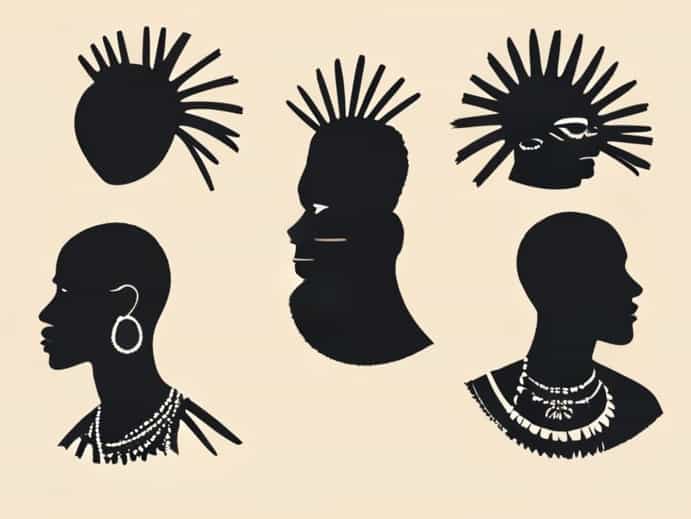
The Khoisan people are among the oldest indigenous groups in Southern Africa, with a rich cultural history and unique traditions that have persisted for thousands of years. Images of Khoisan people provide a powerful visual record of their way of life, clothing, rituals, and daily activities, offering insight into a society that has often been underrepresented in historical documentation. These images, whether photographs, sketches, or historical illustrations, help preserve the memory of Khoisan culture and bring attention to their contributions to human history. Understanding these visual records is essential for appreciating the diversity and resilience of the Khoisan people.
Historical Significance of Images of Khoisan People
Images of Khoisan people are valuable not only as artistic or photographic works but also as historical documentation. Many early images were created by explorers, anthropologists, and missionaries who encountered Khoisan communities during the 18th and 19th centuries. These images captured traditional clothing, hunting techniques, and communal activities, providing insight into how the Khoisan adapted to their environment and maintained cultural practices over generations. They also reveal the interactions between the Khoisan and other groups, including colonial settlers and neighboring communities, highlighting both cooperation and conflict.
Types of Images
Images of Khoisan people come in various forms, each offering a different perspective on their culture
- PhotographsEarly and modern photographs capture both posed portraits and candid moments of daily life, including hunting, gathering, and social ceremonies.
- Drawings and SketchesExplorers and ethnographers often created detailed sketches to record the physical features, clothing, and tools of the Khoisan.
- PaintingsHistorical paintings sometimes depict Khoisan people in their natural environment or during specific events, reflecting both artistic interpretation and ethnographic observation.
- Cave Art and Rock EngravingsSome of the most ancient images of Khoisan ancestors appear in rock art, illustrating hunting scenes, animals, and symbolic representations.
Cultural Representation in Images
Images of Khoisan people often highlight their unique cultural practices, including traditional attire, hunting techniques, and ritual ceremonies. Clothing in many historical images reflects the use of natural materials such as animal hides, leather, and beads, showcasing both functionality and aesthetic expression. Hunting scenes commonly depict the use of bows, arrows, and traps, demonstrating skills that were essential for survival in arid environments. Additionally, ritual dances and ceremonies captured in images reveal the spiritual and communal aspects of Khoisan life, emphasizing the importance of collective identity and tradition.
Modern Photographic Documentation
Modern photography has played a crucial role in documenting the lives of Khoisan people today. Contemporary images often focus on both traditional practices and the challenges faced by these communities in a rapidly changing world. Photographers capture educational activities, modern clothing adaptations, and cultural revival efforts, providing a bridge between historical representation and current realities. These images serve as a tool for advocacy, cultural preservation, and education, helping to raise awareness of the Khoisan’s historical and ongoing contributions to society.
Ethical Considerations
When examining images of Khoisan people, it is important to approach them with cultural sensitivity and ethical awareness. Early images often reflected the biases of colonial observers, portraying Khoisan communities in a way that emphasized exoticism or otherness. Modern scholars and photographers strive to present images that respect the dignity and agency of the subjects. Ethical practices include obtaining consent for photography, providing context for historical images, and avoiding stereotypes that misrepresent Khoisan culture. Respectful visual representation ensures that images serve educational and preservational purposes without perpetuating harm or misinterpretation.
Interpretation and Analysis
Images of Khoisan people can be analyzed to understand both historical context and cultural evolution. Researchers examine clothing, tools, body language, and environmental settings to infer social structures, gender roles, and survival strategies. Comparing images from different periods helps identify changes in lifestyle, technology, and interactions with external societies. This visual analysis complements written records, oral histories, and archaeological evidence, providing a more complete understanding of Khoisan heritage and resilience.
Preserving Khoisan Images
Preservation of images depicting Khoisan people is crucial for maintaining historical and cultural knowledge. Archives, museums, and digital collections play an essential role in conserving both physical and digital representations. Digitization projects allow wider access to images, enabling scholars, students, and the general public to explore Khoisan culture without risking damage to original materials. Proper documentation, cataloging, and contextual information help ensure that images are understood accurately and remain valuable resources for future generations.
Educational and Cultural Value
Images of Khoisan people have significant educational and cultural value. They are used in classrooms, museums, and cultural programs to teach about indigenous heritage, human adaptation, and African history. They also provide inspiration for contemporary artists and photographers seeking to explore identity, tradition, and resilience. By incorporating images into educational materials, institutions can promote awareness, foster respect, and encourage cross-cultural understanding.
Challenges in Accessing Authentic Images
Accessing authentic and accurate images of Khoisan people can be challenging due to historical misrepresentation and the scarcity of early records. Many early images were created by outsiders with limited understanding of the culture, and some have been lost or remain in private collections. Efforts to collaborate with Khoisan communities and document their lives today are essential for creating reliable visual archives. These initiatives help ensure that contemporary images reflect the voices, choices, and perspectives of the Khoisan people themselves.
Images of Khoisan people provide a valuable lens through which to understand the history, culture, and resilience of one of Africa’s oldest indigenous groups. From historical sketches and photographs to modern documentation and cave art, these visual representations capture essential aspects of daily life, spiritual practices, and social structures. Ethical consideration, preservation, and careful interpretation are key to ensuring that images serve as accurate and respectful records. By exploring and sharing these images, we gain insight into the richness of Khoisan culture, support cultural preservation, and promote a deeper appreciation for the diversity of human history.