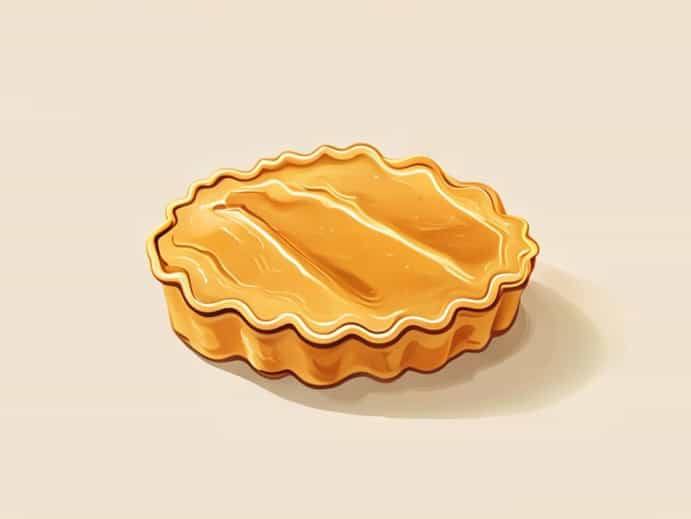
Shortcrust pastry is a versatile and popular base in baking, widely used for pies, tarts, quiches, and various desserts. Its flaky texture and rich taste make it a favorite for home bakers and professional chefs alike. However, for those following a vegan lifestyle, the question arises is shortcrust pastry vegan? Traditional recipes often call for ingredients like butter and eggs, which are animal-derived, creating confusion for people seeking plant-based alternatives. Understanding the ingredients, preparation methods, and available vegan substitutes can help both beginners and experienced bakers enjoy shortcrust pastry without compromising their ethical or dietary choices.
Understanding Shortcrust Pastry
Shortcrust pastry is known for its crumbly, tender texture, achieved by cutting fat into flour until the mixture resembles coarse breadcrumbs, and then adding a small amount of liquid to bind it. The fat is crucial, as it coats the flour ptopics and prevents gluten formation, resulting in a short, delicate crumb. Traditionally, butter is the preferred fat, but lard or other animal fats have also been used in certain recipes. Eggs or milk may sometimes be added for flavor, richness, or binding. Because of these typical ingredients, standard shortcrust pastry is not inherently vegan, but variations can be created to meet vegan dietary requirements.
Common Ingredients in Traditional Shortcrust Pastry
- FlourAll-purpose or pastry flour forms the base of the dough.
- ButterProvides flavor, richness, and helps create a flaky texture.
- EggsOccasionally used to enrich the dough or aid binding.
- SaltEnhances flavor.
- Water or MilkHelps bring the dough together.
In traditional recipes, the presence of butter and eggs makes the pastry unsuitable for vegans, but it can easily be adapted by using plant-based alternatives.
Vegan Alternatives for Shortcrust Pastry
Vegan bakers can still enjoy the delicious qualities of shortcrust pastry by substituting animal products with plant-based ingredients. The key is to maintain the balance between fat and flour to preserve the classic crumbly texture.
Plant-Based Fats
- Vegan ButterWidely available in stores, vegan butter is formulated to mimic the flavor and behavior of dairy butter. It works well for both sweet and savory pastries.
- Coconut OilSolid at room temperature, coconut oil can create a light, flaky texture. It imparts a subtle coconut flavor that pairs well with certain sweet dishes.
- Vegetable ShorteningNeutral in flavor, shortening produces a tender crust and can be an excellent alternative to butter in savory pies.
Binding Without Eggs
Eggs are sometimes used to enrich or bind shortcrust pastry, but in vegan baking, there are several alternatives
- Plant-Based MilkA few tablespoons of soy, oat, or almond milk can help bind the dough without affecting flavor.
- Flax or Chia EggsMixing ground flaxseeds or chia seeds with water creates a gel-like substitute that adds structure to the dough.
- AquafabaThe liquid from canned chickpeas can be used to improve elasticity and binding in vegan pastries.
Steps to Make Vegan Shortcrust Pastry
Making vegan shortcrust pastry follows the same principles as traditional pastry, with plant-based fats and liquids replacing dairy and eggs. The process is simple yet requires attention to detail to achieve the desired texture
- Mix the flour and salt in a large bowl.
- Cut in the vegan butter or solid fat using a pastry cutter or fingertips until the mixture resembles coarse breadcrumbs.
- Add plant-based milk gradually until the dough comes together without being too sticky.
- Form the dough into a ball, wrap in cling film, and chill in the refrigerator for at least 30 minutes to allow the fat to firm up.
- Roll out the dough on a lightly floured surface and use it for pies, tarts, or quiches as desired.
Tips for Perfect Vegan Shortcrust Pastry
- Keep the ingredients cold to maintain a flaky texture.
- Do not overwork the dough to avoid developing gluten, which can make the pastry tough.
- Chill the dough before rolling it out to prevent sticking and ensure even baking.
- Experiment with different plant-based fats to adjust flavor and texture.
Commercial Vegan Shortcrust Pastry
For those who prefer convenience, many supermarkets now offer ready-made vegan shortcrust pastry. These products use plant-based fats and are clearly labeled to indicate they are free from animal ingredients. Pre-made vegan pastry is suitable for both sweet and savory recipes and provides a time-saving solution for busy bakers. Always check the ingredients list to ensure no hidden dairy or eggs are included.
Applications of Vegan Shortcrust Pastry
Vegan shortcrust pastry can be used in all traditional recipes where standard shortcrust would be used, including
- Fruit tarts and pies, such as apple, berry, or peach pies.
- Savory quiches with vegetables, tofu, or plant-based cheese.
- Hand pies and turnovers for snacks or lunch options.
- Mini tartlets for desserts or appetizers.
The versatility of vegan shortcrust pastry ensures that everyone, regardless of dietary restrictions, can enjoy classic baked goods without compromising on taste or texture.
Shortcrust pastry, when made traditionally, is not vegan due to the use of butter and eggs. However, with the wide variety of plant-based alternatives available today, it is entirely possible to create delicious vegan shortcrust pastry that mimics the texture and flavor of the original. Using vegan butter, coconut oil, or vegetable shortening, along with plant-based liquids and egg substitutes, bakers can prepare flaky, tender pastries suitable for both sweet and savory dishes. Whether homemade or store-bought, vegan shortcrust pastry allows for inclusive baking that respects ethical and dietary choices while maintaining the quality and versatility that has made this pastry a beloved component of countless recipes.
Exploring vegan shortcrust pastry opens up opportunities for creative and compassionate baking. From pies and tarts to quiches and snacks, adopting plant-based versions ensures that traditional favorites remain accessible to everyone. With careful selection of ingredients and attention to technique, vegan bakers can enjoy all the pleasure and satisfaction of shortcrust pastry without the use of animal products, making it a practical and ethical choice in modern kitchens.