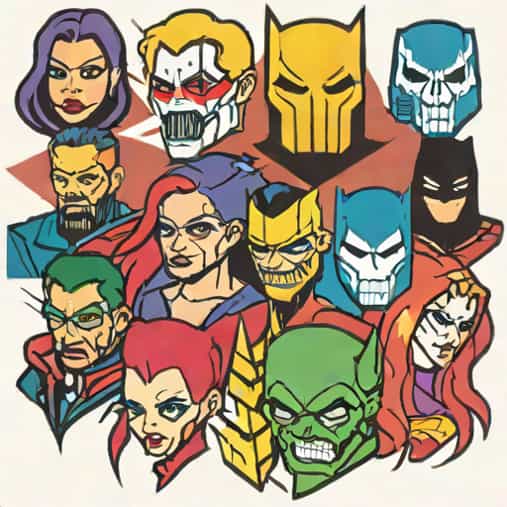
Suicide Squad Kill the Justice League is a video game that has sparked plenty of curiosity and debate among players and fans of DC Comics alike because of its provocative title and premise. Many people wonder, Is Suicide Squad Kill the Justice League? – meaning, does the game actually involve the Suicide Squad trying to kill the Justice League? The answer is a bit more nuanced than a simple yes or no. The game’s design, story, and characters all play into this central question, and understanding its plot and thematic goals helps clarify what players can expect when they dive into this actionadventure title.
What Is Suicide Squad Kill the Justice League?
Suicide Squad Kill the Justice League is a 2024 actionadventure thirdperson shooter game developed by Rocksteady Studios and published by Warner Bros. Games. It is set in the same universe as the Batman Arkham series and takes place five years after the events of Batman Arkham Knight. The game’s central premise revolves around Task Force X, commonly known as the Suicide Squad, being sent on a mission with an unusual objective – confronting members of the Justice League who have been corrupted. The mission is tied into a larger conflict with Brainiac, an alien villain who has invaded Earth and taken control of various heroes.
The Suicide Squad and Its Mission
The Suicide Squad is made up of antiheroes and villains who are compelled by Amanda Waller, the leader of the government agency ARGUS, to carry out dangerous missions. In this game, playable characters include Harley Quinn, Deadshot, Captain Boomerang, and King Shark. Players can tackle missions solo or in cooperative multiplayer. The squad is sent to Metropolis to confront Brainiac’s threat and deal with the Justice League members who have been influenced or brainwashed by the alien invader.
Does the Suicide Squad Kill the Justice League?
On the surface, the title suggests that the Suicide Squad’s primary goal is to kill the Justice League, but the actual ingame narrative provides a richer and more complex experience. In the story, Brainiac has invaded Earth and taken control of several key heroes, turning them into enemies of humanity. Rather than simply fighting ordinary villains, the squad must face off against powerful heroes like Superman, Flash, Green Lantern, and Batman – all of whom are under Brainiac’s influence.
Heroes Gone Wrong
Players do engage in battles against Justice League members who are no longer acting as heroes. Because these versions are corrupted, the conflict feels like a battle against adversaries rather than allies. This narrative device creates tension and raises questions about morality, control, and free will. It’s not just a fight for destruction, but a fight to stop Brainiac’s control and ideally save the true Justice League beneath his influence.
Are Any Justice League Members Actually Killed?
In the initial led narrative of the base game, there are moments where certain Justice League members appear to be defeated or die at the hands of the Suicide Squad. Some reports and player summaries suggest that characters like The Flash or Green Lantern are temporarily defeated in brutal encounters. However, because Brainiac’s brainwashing and cloning elements play a major role, what appears to be death may not always be permanent. Some ingame lore and later discussions indicate that the true versions of these heroes might be alive, held captive, or recoverable later in the story, which shifts the narrative away from permanently killing beloved heroes.
Story and Context Beyond Just Killing Heroes
Suicide Squad Kill the Justice League’s story is built around more than simply eliminating members of the Justice League. The corruption by Brainiac places the squad in the role of reluctant saviors trying to free the world from an alien threat. The mission involves dramatic combat, strategic progression, and a broader fight for humanity’s future. The game’s open world design allows players to explore Metropolis, complete missions, and engage in dynamic battles with both creatures and brainwashed superheroes.
The Role of Brainiac
Brainiac serves as the central antagonist whose influence over the Justice League complicates the Suicide Squad’s mission. Rather than being mindless killers, the Suicide Squad must confront the reality that the heroes they used to admire are no longer in control of their own actions. This narrative choice adds emotional weight to the battles and leads to questions about restoring these characters rather than eliminating them permanently.
Gameplay and Mechanics Related to the Story
The gameplay mechanics of Suicide Squad Kill the Justice League support its narrative focus. Players can switch between Squad members, each with unique abilities, weapons, and combat styles. The game blends shooter combat with melee and traversal mechanics, creating varied engagement in fights against corrupted Justice League villains. Exploring the city of Metropolis clearly shows how Brainiac’s invasion has transformed the world and set the stage for intense and dramatic confrontations.
Combat Against Justice League Members
Battles against corrupted versions of the Justice League are among the most intense parts of the game. Players face powerful movesets and abilities that showcase why these characters are so formidable. Even though the title says Kill the Justice League, defeat in battle doesn’t necessarily mean permanent elimination. Instead, these encounters represent the struggle to weaken or incapacitate powerful enemies so that Brainiac’s influence can ultimately be dealt with.
Player and Fan Reactions
The question of whether the game actually kills the Justice League has also become a topic of discussion within the gaming community. Some players assumed the title meant permanent death for these iconic characters, while others recognized that the narrative may be more complicated. Discussions online and among fans suggest that the game’s story can have twist elements such as fighting clones or freeing heroes, meaning that kill in the title is more thematic and missionbased rather than a straightforward assassination order.
The Nature of a DC Story
Because Suicide Squad Kill the Justice League exists within a fictional DC universe, stories can feature alternate realities, cloning, mental control, and largescale conflicts where outcomes may not be permanent. DC Comics history often includes resurrections, time travel, mind control, and multiverse scenarios, so the idea of killing a hero and later restoring them fits within that broader storytelling tradition. Fans familiar with comic book logic recognize that death in such universes is rarely final, and the game’s narrative appears to embrace that complexity as part of its plot structure.
So, is Suicide Squad Kill the Justice League? The title of the game certainly suggests a dramatic and controversial mission, but the story itself is more nuanced than simply killing the Justice League. The game’s narrative focuses on confronting corrupted versions of powerful heroes, combating an alien threat, and working through complex moral territory rather than simply eliminating beloved characters permanently. While players do fight and potentially defeat Justice League members under Brainiac’s control, the broader context implies that saving or restoring these heroes remains a key part of the plot. The game blends action, storytelling, and character dynamics to create a missiondriven experience that challenges players to think beyond just killing and consider the implications of their actions in a richly imagined world.