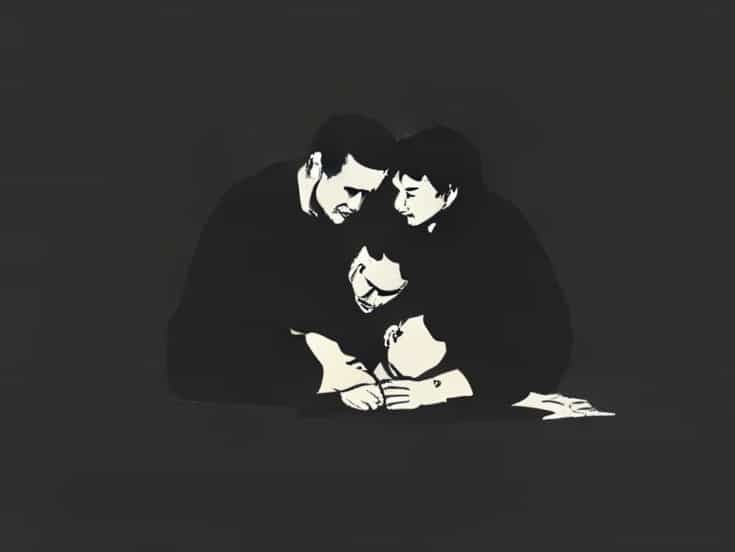
The story of Jekyll and Hyde is one of the most enduring tales in Gothic literature, exploring the duality of human nature and the battle between morality and primal instinct. One of the most shocking moments in Robert Louis Stevenson’s novella is when Hyde violently attacks someone, famously described as Jekyll and Hyde clubbed him to the earth. This scene captures the raw brutality and moral corruption embodied by Mr. Hyde, highlighting the stark contrast between Dr. Jekyll’s respectable public persona and the monstrous alter ego that emerges when his darker impulses take over. Understanding this moment provides insight into the themes, symbolism, and literary significance of Stevenson’s work.
The Context of the Attack
The violent act where Hyde strikes a victim is one of the pivotal moments in the story. It occurs early in the novella when Mr. Hyde’s cruelty is first revealed to other characters and to the reader. The phrase clubbed him to the earth emphasizes the sudden, overwhelming force of Hyde’s actions, showing that he is capable of extreme violence without moral restraint. This scene establishes Hyde as a character who is governed solely by his basest instincts, providing a clear foreshadowing of the chaos and danger that will follow as the story progresses.
Hyde’s Duality and Violence
Hyde represents the hidden, darker side of Dr. Jekyll’s personality-a side that is free from the constraints of social etiquette, morality, and law. The act of clubbing someone to the ground is symbolic of the unchecked power of this darker self. Stevenson uses Hyde’s aggression to illustrate the consequences of repressing immoral desires; when these desires are unleashed, they manifest as violence and destruction. In literary terms, this scene is crucial because it contrasts sharply with Jekyll’s composed, civilized demeanor, emphasizing the duality at the heart of human nature.
Literary Techniques in the Scene
Stevenson employs several literary techniques to make the violence in this scene more impactful. The choice of words, pacing, and perspective all contribute to the reader’s sense of shock and tension.
Choice of Words
The phrase clubbed him to the earth is direct and vivid, leaving little to the imagination. The word clubbed conveys blunt, merciless force, while to the earth emphasizes the victim’s helplessness and the severity of the attack. Stevenson’s language is precise, ensuring that readers fully grasp the brutality of Hyde’s action and the danger he represents.
Perspective and Suspense
The scene is often presented through the perspective of witnesses or the narrative of Mr. Utterson, Jekyll’s lawyer, which adds suspense. Readers experience the attack as observers, feeling the tension and fear as Hyde’s violent tendencies are revealed. This perspective also reinforces the theme of secrecy and concealment, as the true nature of Jekyll’s dual personality is not immediately understood by those around him.
Symbolism of Hyde’s Violence
The act of clubbing someone to the earth is rich in symbolic meaning. It reflects not only Hyde’s physical aggression but also the broader themes of the novella, including the destructive potential of suppressed evil and the fragility of social order.
The Embodiment of Repressed Desires
Hyde’s actions symbolize the destructive power of repressed human desires. Dr. Jekyll’s attempts to separate his moral self from his darker impulses result in a persona that is entirely liberated from ethical constraints. The violent act is a literal and figurative demonstration of what happens when human impulses are allowed to run unchecked, suggesting that repressing evil does not eliminate it but instead allows it to grow stronger and more dangerous.
The Fragility of Civilization
Stevenson also uses Hyde’s violence to comment on the fragility of social norms and civility. The victim’s sudden fall to the ground illustrates how easily the veneer of order and politeness can be shattered by underlying savagery. Hyde’s behavior serves as a warning that beneath the surface of every civilized individual, there may exist untamed instincts that, if unleashed, can disrupt society.
Impact on Other Characters
The scene where Hyde clubbed his victim to the earth has a profound impact on the other characters, shaping their perceptions of both Hyde and Jekyll.
Mr. Utterson
As Jekyll’s lawyer and confidant, Mr. Utterson is deeply troubled by Hyde’s actions. This moment forces him to confront the possibility that someone he knows well, Dr. Jekyll, may be linked to such violence. The attack heightens Utterson’s suspicion and propels his investigation, ultimately revealing the duality of Jekyll’s nature.
Public Perception
Hyde’s brutality also affects the public perception of the story’s events. News of such violence spreads fear and gossip, reinforcing Hyde’s reputation as a figure of menace. The scene makes clear that Hyde’s existence poses a threat not only to individual victims but also to the broader community.
Thematic Implications
This violent act embodies several key themes in Stevenson’s novella, making it central to understanding the story’s message.
Duality of Human Nature
The attack exemplifies the duality of human nature, showing how one person can contain both moral and immoral impulses. Dr. Jekyll represents the socially acceptable, rational self, while Mr. Hyde represents the suppressed, primal side capable of cruelty and violence. The act of clubbing someone to the earth demonstrates the extreme consequences when the darker side takes control.
Consequences of Scientific Experimentation
Stevenson’s novella also warns about the dangers of unchecked scientific experimentation. Jekyll’s attempt to separate his good and evil selves results in the creation of Hyde, whose violence is uncontrollable. The scene underscores the ethical responsibility that comes with scientific knowledge and experimentation, a theme that resonates even in modern discussions about science and morality.
The moment when Hyde clubbed his victim to the earth is one of the most powerful and memorable in Strange Case of Dr Jekyll and Mr Hyde. It captures the essence of Hyde’s brutality, symbolizes the destructive potential of repressed desires, and illustrates the fragile nature of civility and social order. Through vivid language, suspenseful narrative, and symbolic depth, Stevenson conveys the central themes of duality, moral responsibility, and the consequences of unchecked human impulses. Understanding this scene allows readers to appreciate the complexity of the novella, the terrifying power of Hyde, and the enduring relevance of Stevenson’s exploration of human nature.