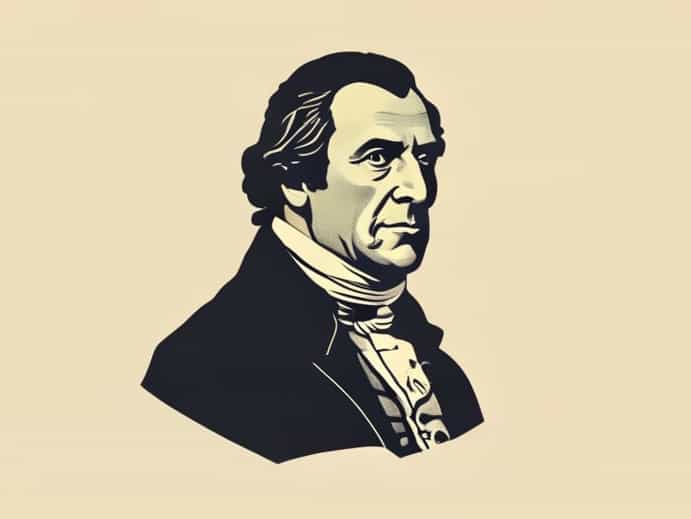
John Quincy Adams, the sixth president of the United States, is remembered not only for his political career but also for an unusual episode involving an alligator that became a quirky piece of presidential history. This story provides a fascinating glimpse into the lighter, more eccentric side of the early American presidency, illustrating how unusual gifts and curiosities were often presented to presidents during the 19th century. The tale of John Quincy Adams and the alligator highlights both the customs of the era and the personal interests of a president known for his intellect and distinctive personality.
Background on John Quincy Adams
Born on July 11, 1767, John Quincy Adams was the son of John Adams, the second president of the United States. Before his own presidency from 1825 to 1829, he served in a variety of diplomatic roles, including ambassador to the Netherlands, Prussia, Russia, and Great Britain. He was also a U.S. senator and Secretary of State, playing a key role in formulating the Monroe Doctrine. Adams’ reputation as a scholar, diplomat, and advocate for strong national policy often overshadowed his lighter, more eccentric personal traits, which included an appreciation for unusual curiosities such as the alligator gift he received.
The Alligator Gift
During his time as president, John Quincy Adams received a wide variety of gifts from diplomats, foreign dignitaries, and citizens. Among these was an alligator, a creature that would seem startling today but was considered a fascinating exotic novelty at the time. The alligator reportedly arrived in Washington, D.C., and captured the curiosity of both the president and the public. While some sources suggest the alligator may have been intended as a symbolic gesture, reflecting the diplomat’s cultural background or as a display of rarity, it quickly became a topic of intrigue among visitors to the White House.
White House Curiosities
The presentation of exotic animals as gifts was not unusual in the 19th century. Presidents and other high-ranking officials often received rare animals as demonstrations of wealth, status, or novelty. John Quincy Adams’ alligator was placed in the White House, likely in a specially prepared enclosure to ensure the safety of both the animal and visitors. Guests were reportedly fascinated by the creature, which served as a living example of nature’s marvels, sparking conversations and amusement in the presidential residence.
Public Reaction
The arrival of the alligator elicited a mixture of awe, curiosity, and mild apprehension from the public and the press. Newspapers of the era noted the peculiar gift, often recounting anecdotes of visitors observing the reptile with fascination. Children and adults alike were intrigued by its presence, and it provided a rare moment of levity during an era otherwise marked by political debates and intense public scrutiny. The alligator became a minor attraction, reflecting the public’s interest in exotic animals and the ways presidents engaged with such curiosities.
Symbolism and Cultural Significance
Gifts of exotic animals carried symbolic meanings, and the alligator presented to Adams may have represented power, exoticism, or the diplomatic reach of the donor. Alligators were not commonly seen in the northeastern United States, making them emblematic of far-off regions and untamed nature. For a president like John Quincy Adams, who valued education, culture, and knowledge, the alligator also offered a unique opportunity for study and reflection on natural history.
Adams’ Personal Interaction with the Alligator
John Quincy Adams was known for his intellectual curiosity and interest in learning. Contemporary accounts suggest that he engaged with the alligator in a measured, cautious manner, appreciating its uniqueness without succumbing to fear or over-familiarity. The alligator likely became an example of Adams’ broader engagement with scientific and cultural matters, consistent with his interest in the natural world, diplomacy, and international affairs. While entertaining, the presence of the animal in the White House underscored the president’s role as a host to international diplomacy and unusual gifts.
Legacy of the White House Alligator
While the alligator’s tenure in the White House was temporary, it left a lasting impression on those who witnessed it and contributed to the colorful history of presidential curiosities. Today, the story is often cited in discussions of presidential trivia, highlighting the eccentricities of early American political life. The alligator serves as a reminder of how presidents, despite their serious responsibilities, often encountered unexpected challenges and moments of whimsy in their official roles.
Historical Significance
The episode of John Quincy Adams and the alligator is more than a mere anecdote; it reflects broader historical themes. It illustrates the global connections of early American diplomacy, the cultural practices of gift-giving among elites, and the interplay between politics and popular fascination with the exotic. Moreover, it demonstrates how presidents navigated both the ceremonial and informal aspects of their office, balancing public duties with moments of curiosity and amusement.
Lessons from the Story
- The importance of intellectual curiosity and openness to new experiences, even for national leaders.
- Insights into early 19th-century American culture and the novelty of exotic animals in domestic spaces.
- Understanding the symbolic role of gifts in diplomacy and international relations.
- The humanizing effect of unusual incidents on historical figures, providing a more complete picture of their personalities.
The story of John Quincy Adams and the alligator remains a fascinating chapter in the history of the American presidency. It highlights the quirky, unexpected experiences that presidents have encountered while serving their nation and offers insight into the customs and curiosities of the 19th century. Beyond its entertainment value, the alligator episode reflects broader themes of diplomacy, cultural exchange, and the personal interests of a president who combined intellect with a willingness to embrace the unusual. Today, this story continues to capture the imagination of historians, educators, and the public, reminding us that even in the highest office of the United States, moments of wonder and amusement are an enduring part of history.