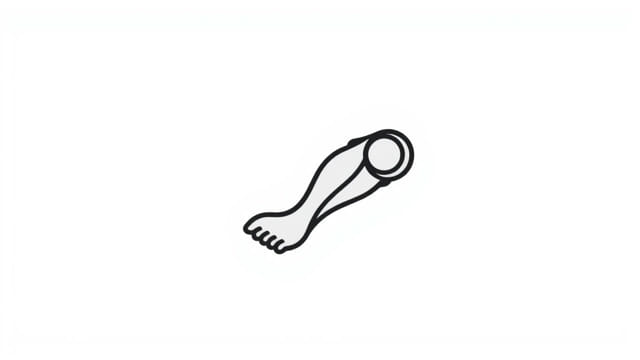
Visual puzzles like dingbats are a popular way to challenge the brain using clever arrangements of letters, words, or symbols. One such intriguing puzzle is the phrase ‘Knee Over X’ which often appears in dingbat or rebus puzzles. At first glance, it may seem cryptic, but with a bit of lateral thinking and an understanding of how dingbats work, the answer becomes surprisingly clear. Solving dingbats like Knee Over X requires not only language skills but also a good eye for symbolic positioning and interpretation.
Understanding Dingbats and Rebus Puzzles
Dingbats, also known as rebus puzzles, are visual word games where the arrangement of text or images represents a common word, phrase, or idiom. The key to solving a dingbat lies in reading between the lines literally. These puzzles often use placement, orientation, repetition, and abbreviation to disguise familiar expressions. Unlike standard crossword clues, dingbats rely heavily on visual literacy rather than word definitions.
Common Dingbat Techniques
- Stacked words indicate on, over, or under.
- Repetitive words can suggest again, multiple, or many.
- Unusual fonts or spacing may represent tone or emphasis.
- Use of symbols like arrows or shapes can provide directional clues.
Applying this knowledge helps in deciphering clues such as Knee Over X. The position of the word Knee and the letter X is essential to understanding the puzzle’s meaning.
Breaking Down the Knee Over X Dingbat
To solve this particular dingbat, let’s examine it word by word and consider the layout. The word Knee is placed above the letter X. This arrangement immediately triggers a visual or spatial interpretation rather than a literal one. So what does Knee over X mean when visualized as a phrase or idiom?
Interpreting the Clue
When you see Knee over X, your brain should consider phrases where something is physically positioned over something else. In this case, Knee over X can be reinterpreted as knee over cross, since X is commonly used as a symbol for a cross. Combining these ideas brings you to the phrase:
Knee over cross = Kneel before the cross
Or more commonly phrased as:
Kneel at the cross
This expression has strong religious connotations and is widely recognized as a phrase associated with prayer, humility, or devotion. That makes it a fitting and logical solution to this dingbat puzzle.
Why the Phrase Kneel at the Cross Works
Dingbat solvers must remember that these puzzles often rely on metaphor or symbolism. In this case, X representing the cross is a common association, particularly in Christian imagery. Placing knee above it implies a physical posture of kneeling. Thus, the overall meaning is not a direct combination of the words but a symbolic action described by the layout.
Alternative Interpretations
Depending on the context of the puzzle, there may be other similar interpretations:
- Kneel over the cross
- Kneeling at the cross
- Bend the knee before the cross
All these retain the central theme of reverence or submission, and would likely be acceptable depending on the level of detail required by the puzzle or quiz format.
Tips for Solving Similar Dingbats
If you found Knee Over X a challenge or are just getting into solving dingbats, here are a few tips to help decode puzzles with ease:
1. Visualize the Layout
Always take a moment to imagine the physical arrangement of the words or letters. Are they stacked? Spaced apart? Angled? These aspects often provide crucial hints.
2. Translate Symbols
Common symbols like X, arrows, or punctuation marks usually represent something more abstract. For instance, X can mean cross, target, or wrong. Understanding the context helps you choose the right one.
3. Think About Synonyms
The words used in the dingbat may not be the final answer but may point toward a synonym or related action. Knee becomes kneel, X becomes cross. It’s a matter of connecting concepts.
4. Consider Common Idioms or Sayings
Dingbats often represent phrases that are used in everyday language or religious, cultural, or popular contexts. Being familiar with idioms gives you a bigger library of potential solutions.
Other Dingbats to Try
If you enjoyed solving Knee Over X, here are a few similar dingbats to test your lateral thinking:
- HEADHEELS(Answer: Head over heels)
- MANwritten inside the wordBOARD(Answer: Man overboard)
- The wordSTANDwritten on the wordICE(Answer: Stand on thin ice)
- The wordTIMErepeated four times (Answer: Time after time)
- The wordRIGHTaligned to the left side (Answer: Left of right)
Practicing with these puzzles enhances your ability to spot patterns, break down language, and have fun with creative wordplay.
Why Dingbats Remain Popular
In a world of fast-paced digital entertainment, dingbats offer a refreshing way to slow down and engage the mind. They are popular in newspapers, mobile puzzle apps, and family game nights. The challenge lies not in how much vocabulary you know, but how flexibly you can think. Knee Over X is just one example of how a simple phrase can unlock a layered and meaningful message through clever design.
The Joy of Discovery
One of the most satisfying aspects of solving dingbats is the ‘aha’ moment. After spending time puzzling over the meaning of a visual clue, arriving at the correct phrase provides a mental reward that keeps solvers coming back for more. It’s not about speed it’s about perception and interpretation.
The dingbat Knee Over X is a great example of how a small, visual word puzzle can pack a big intellectual punch. By analyzing its structure, interpreting the symbolism, and applying familiar idioms, we arrive at the phrase Kneel at the cross. This puzzle showcases the clever, engaging nature of dingbats and their ability to challenge our thinking in unique ways. Whether you’re new to visual puzzles or a seasoned pro, exploring clues like this one deepens your appreciation for language, logic, and creative problem-solving.