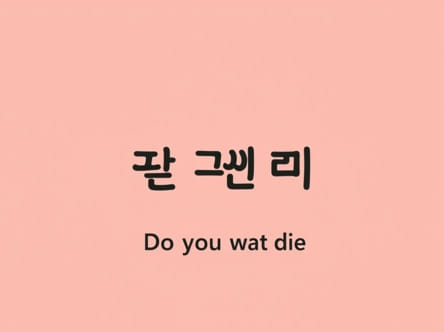
Language is a powerful tool that reflects the culture, emotions, and expressions of its speakers. Among the various phrases that exist in Korean, some carry intense emotions and unique connotations that may seem surprising or even shocking to learners or foreigners. One such phrase is the Korean equivalent of ‘Do you wanna die?’ which is often used in everyday language but not always literally. Understanding the meaning, context, and cultural nuance of this phrase is essential for those interested in Korean language and culture.
The Literal Meaning of ‘Do You Wanna Die?’ in Korean
The phrase ‘Do you wanna die?’ can be translated into Korean as ‘ì£½ê³ ì¶ì´?’ (jukgo sipeo?). Literally, it means ‘Do you want to die?’ This direct translation can be quite startling if taken at face value, especially for those unfamiliar with Korean slang or informal speech. However, in Korean conversational usage, this phrase rarely implies a literal threat or serious intent.
Usage in Informal Contexts
In informal Korean, especially among young people or close friends, ‘ì£½ê³ ì¶ì´?’ is often used as a strong, playful, or teasing way to express frustration, disbelief, or annoyance. It is similar to how in English someone might say, ‘Are you crazy?’ or ‘Do you want to get hurt?’ without actually meaning to threaten harm. The phrase can serve to emphasize that what the other person said or did was outrageous or foolish.
- Example: ì¹êµ¬ê° ì½ìì ê¹ë¹¡ ìì ì ë, ì£½ê³ ì¶ì´?ë¼ê³ ëë´ì¼ë¡ ë§í ì ìë¤.
- Translation: When a friend forgets an appointment, you might jokingly say, ‘Do you wanna die?’
Cultural Nuances Behind the Phrase
Understanding Korean culture helps explain why such a phrase might be casually used without serious intent. Korean language often includes expressions that might sound intense but are softened by tone, context, and relationship. This is particularly common among friends or peers where teasing and banter are a normal part of communication.
Expressing Strong Emotions
Korean is rich in expressive phrases used to convey emotions like surprise, anger, or disbelief. Using strong phrases like ‘ì£½ê³ ì¶ì´?’ can function as a release of frustration or a humorous way to exaggerate feelings. Unlike Western cultures where such expressions might be taboo or alarming, in Korean social settings they can be normalized within certain groups.
Importance of Intonation and Context
The meaning of ‘ì£½ê³ ì¶ì´?’ heavily depends on how it is said. A harsh or angry tone might indicate real irritation, while a lighthearted or joking tone turns the phrase into playful teasing. Context such as who is speaking, the situation, and the relationship between speakers all shape the interpretation.
When Should You Avoid Using This Phrase?
Despite its common use in informal settings, ‘ì£½ê³ ì¶ì´?’ is not appropriate for all contexts. Because it literally references death, it can be sensitive or offensive if misused. It is crucial for learners and visitors to understand the boundaries before using this phrase.
Formal Situations
In professional, academic, or formal social situations, using such a phrase would be considered rude or inappropriate. Politeness and respect are highly valued in Korean culture, and language reflects this social hierarchy.
With Strangers or Unknown People
Using ‘ì£½ê³ ì¶ì´?’ with strangers or people you do not know well may be misunderstood as aggressive or threatening. Without shared context, the phrase can cause discomfort or offense.
Serious Conversations
It should never be used in discussions about mental health, emotional struggles, or any sensitive topics related to life and death. In those contexts, the phrase can be harmful or triggering.
Alternative Korean Phrases to Express Similar Emotions
If you want to express surprise, disbelief, or frustration without the intensity of ‘ì£½ê³ ì¶ì´?,’ Korean offers many other phrases that are more neutral or polite.
- ë§ë ì ë¼! (Maldo an dwae!) ‘No way!’ or ‘That’s impossible!’
- ì ë§? (Jeongmal?) ‘Really?’ (Used to express disbelief or surprise)
- ë ë ¸ì³¤ì´? (Neo michyeosseo?) ‘Are you crazy?’ (Common casual expression to show shock or disbelief)
- ì ê·¸ë? (Wae geurae?) ‘What’s wrong with you?’ (Used to show annoyance or confusion)
How This Phrase Reflects Korean Language Learning Challenges
For language learners, phrases like ‘ì£½ê³ ì¶ì´?’ highlight the challenges of understanding not only vocabulary and grammar but also cultural context and pragmatic usage. Literal translations often fail to capture the true intent or social acceptability of expressions.
Importance of Contextual Learning
Learning Korean effectively requires exposure to natural speech and social interactions. Understanding how phrases are used in daily life, including their tone and context, helps learners avoid embarrassing or offensive mistakes.
Seeking Cultural Guidance
Consulting native speakers or language instructors can clarify when and how to use certain expressions. This is especially important for idiomatic or emotionally charged phrases like ‘ì£½ê³ ì¶ì´?’.
The phrase ‘Do you wanna die?’ in Korean, expressed as ‘ì£½ê³ ì¶ì´?,’ serves as an intriguing example of how language and culture intertwine to create meanings beyond literal translation. While it may sound harsh or alarming to non-native speakers, it is often used informally to express frustration or disbelief in a playful or exaggerated manner among friends.
Understanding the cultural nuances, appropriate contexts, and alternative expressions can help language learners navigate Korean communication more effectively and respectfully. Always be mindful of tone, setting, and relationships when encountering or using emotionally charged phrases in any language.