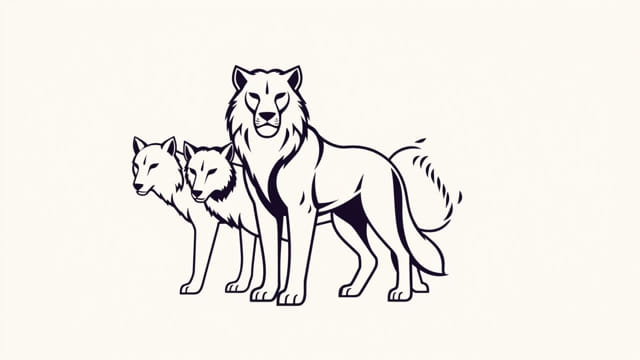
In both the animal kingdom and human society, the phrase leader of the pack has long been used to describe someone who holds the highest position of influence, power, or authority within a group. The expression draws imagery from wolves or dogs moving in coordinated packs, where one animal usually the strongest, most experienced, or most confident emerges as the dominant figure guiding the others. Over time, this phrase has evolved beyond its animal origins and become a metaphor used widely in business, sports, politics, and everyday conversations. Understanding the deeper meaning of leader of the pack reveals insights into leadership traits, group dynamics, and societal expectations.
Origin and Etymology of ‘Leader of the Pack’
The origin of the phrase leader of the pack can be traced to the behaviors observed in wild animals, especially canines like wolves. In a wolf pack, the alpha wolf leads the group, making decisions about hunting, movement, and protection. This natural leadership structure was later mirrored in human contexts. The term gained cultural popularity in the 20th century, especially after it was used as the title of a famous 1964 song by The Shangri-Las. Since then, the phrase has carried symbolic weight in both literal and figurative use.
Symbolism of the Pack
The pack symbolizes any organized group moving toward a shared goal. This could be a team at work, a group of friends, or a community. The leader of the pack is the person who others look up to, follow, and trust. They often set the pace, define standards, and maintain order. Unlike simple authority figures, a leader of the pack usually earns their role through respect, competence, and charisma.
Modern Usage of the Phrase
Today, the phrase leader of the pack is commonly used across various fields to recognize individuals who stand out in their roles. It represents dominance, influence, and a natural ability to guide others. The phrase is often synonymous with trailblazers, innovators, or people with strong leadership qualities.
- In Business: A CEO who motivates employees and drives a company’s success may be called the leader of the pack.
- In Sports: The team captain who inspires performance and keeps morale high may be described with this phrase.
- In School: A student who leads projects, excels in academics, and encourages peers is often seen as the pack’s leader.
- In Pop Culture: Celebrities or influencers who set trends and lead movements are referred to as leaders of the pack.
Qualities of a Leader of the Pack
Being a leader of the pack is not just about holding a title. It involves demonstrating certain characteristics that naturally earn the respect and trust of others. These qualities can be developed over time and are crucial in any leadership role.
Key Traits Include:
- Confidence: Leaders show belief in their own abilities and decisions, which encourages others to follow.
- Empathy: Understanding the needs and feelings of the group builds loyalty and cooperation.
- Resilience: When challenges arise, leaders stay strong and focused, setting an example for others.
- Vision: They see the bigger picture and help the group work toward long-term success.
- Integrity: Honest actions and ethical behavior earn lasting respect.
Differences Between a Leader and a Boss
It’s important to differentiate between a leader of the pack and someone who simply has authority. A boss may give orders, but a leader earns trust and inspires commitment. People follow leaders not because they must, but because they want to.
Leader of the Pack vs. Boss
- Leads by example vs. commands from above
- Gains respect vs. demands obedience
- Builds team morale vs. monitors performance
- Encourages growth vs. controls output
Leadership is about influence, not just power. The leader of the pack often emerges because others recognize their worth, not because they were appointed.
Becoming a Leader of the Pack
Anyone can become a leader of the pack with the right mindset and effort. Leadership is not reserved for the loudest or the most dominant person. Instead, it’s about showing reliability, encouraging others, and stepping up when it matters most.
Steps to Cultivate Leadership
- Build Communication Skills: Clear, respectful, and motivational communication is key.
- Stay Accountable: Take responsibility for your actions and decisions.
- Be Consistent: Reliable actions over time earn trust.
- Encourage Collaboration: Empower others instead of controlling them.
- Learn Continuously: Leaders are always improving and adapting.
Challenges Faced by Leaders
Even leaders of the pack face obstacles. They must often make tough decisions, mediate conflicts, and bear the weight of expectations. It’s not always easy to stay strong when others are looking to you for guidance. However, true leaders embrace these responsibilities and grow stronger through adversity.
Common Challenges
- Maintaining Balance: Avoiding burnout while staying committed to the group.
- Dealing with Criticism: Accepting feedback and using it constructively.
- Navigating Conflict: Resolving disputes fairly and maintaining harmony.
- Staying Humble: Leading without arrogance, even when admired.
Real-Life Examples of Leaders of the Pack
Throughout history and modern society, we see examples of individuals who embodied the spirit of the leader of the pack. From political icons like Nelson Mandela, who united a divided nation, to business innovators like Elon Musk, who push the boundaries of technology, these figures show what it means to lead boldly and effectively. Even in everyday life, schoolteachers, parents, coaches, and community organizers often take on the role of guiding and inspiring others.
Leader of the pack is more than just an expression it’s a role that reflects inner strength, trustworthiness, and the ability to inspire others toward a shared goal. In both formal and informal settings, people look to the leader of the pack for direction, motivation, and protection. By developing leadership traits like empathy, consistency, and vision, anyone can step into this role and make a meaningful impact in their community or organization. In a world where collaboration and guidance are essential, true leaders remain the heartbeat of progress and unity.