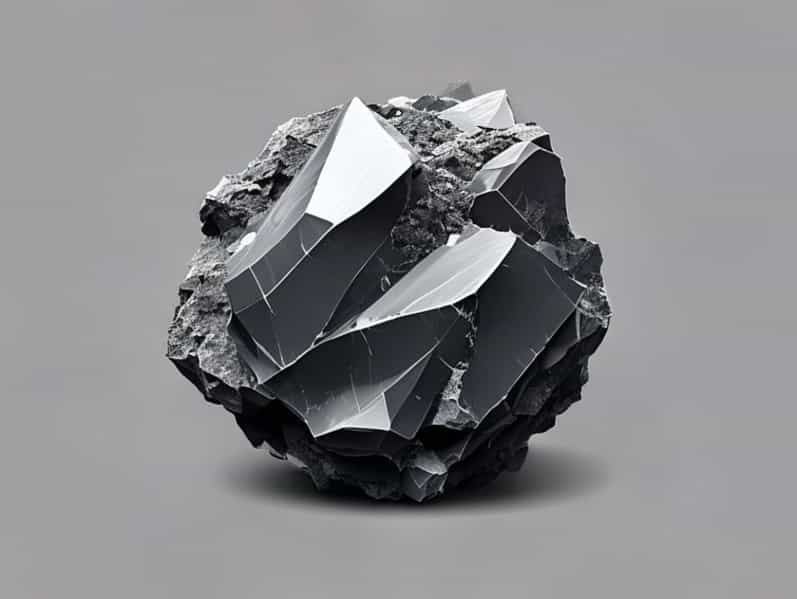
Lignite, often referred to as brown coal, is one of the most abundant forms of coal and an important source of energy worldwide. Known for its relatively low carbon content and high moisture levels, lignite is primarily used in electricity generation and industrial applications where it can be burned efficiently. The distribution of lignite is not uniform across the globe, and it is found in large quantities in specific geological regions where conditions favored the formation of this type of coal over millions of years. Understanding where lignite is found in large quantities is crucial for energy planning, industrial development, and resource management.
What is Lignite?
Lignite is classified as a low-rank coal because it has a lower carbon concentration compared to bituminous and anthracite coals. It has a brownish-black color and a soft, crumbly texture. Its high moisture content, sometimes exceeding 30-40%, makes it less energy-dense than higher-rank coals, but it is abundant and relatively easy to mine. Lignite’s chemical composition and geological formation make it particularly suitable for power plants located near the mines, as transporting it over long distances can be inefficient due to its high moisture content.
Formation of Lignite
Lignite forms from peat under conditions of moderate heat and pressure over millions of years. The process begins in swampy regions where plant material accumulates and decays under waterlogged conditions. Over geological time, burial under sediments compresses the peat, driving off water and initiating coalification. Lignite represents an early stage of coal formation, sitting between peat and higher-rank coals like bituminous coal in the coalification process. Its presence indicates that the region once had lush vegetation and specific environmental conditions conducive to peat formation.
Countries and Regions with Large Quantities of Lignite
Lignite is distributed globally, but certain countries and regions are particularly rich in lignite deposits. These deposits often correspond with sedimentary basins that were once swampy and vegetated areas in prehistoric times. The largest quantities are found in Europe, Asia, and North America.
Germany
Germany is one of the leading countries in lignite production and consumption. The country has extensive lignite deposits in regions such as the Rhineland, Lusatia, and Central Germany. The Rhineland lignite mines, in particular, are some of the largest open-pit mining operations in the world. German power plants rely heavily on lignite for electricity generation, contributing significantly to the national energy mix. Despite environmental concerns, lignite remains a key resource for Germany due to its abundance and domestic availability.
Russia
Russia also has large lignite reserves, mainly located in Siberia and the Far East regions. The Kansk-Achinsk basin is one of the largest lignite deposits in the country, and its lignite is used primarily for power generation. Russian lignite reserves are significant for regional energy security, especially in areas far from hydrocarbon resources. The country continues to develop mining and power plants near these deposits to ensure a steady energy supply.
United States
The United States has extensive lignite deposits, particularly in North Dakota, Texas, and Montana. The Fort Union Formation in North Dakota is the largest lignite deposit in the country. Lignite mining in the U.S. supports several large power plants that supply electricity to regional grids. Texas, particularly the Gulf Coast region, also has substantial lignite resources used for electricity generation. U.S. lignite is often mined using surface mining techniques, which allow for efficient extraction of large quantities of low-rank coal.
Australia
Australia is rich in lignite deposits, particularly in the states of Victoria and South Australia. The Latrobe Valley in Victoria is famous for its extensive lignite reserves, which fuel nearby power stations. Australian lignite is characterized by high moisture content but remains a critical energy resource for the domestic market. The country has developed technologies to utilize lignite efficiently in power generation and industrial processes.
Other Countries
Other countries with notable lignite deposits include
- GreeceLignite is mined in the regions of Western Macedonia and Peloponnese, serving as the primary fuel for local power plants.
- TurkeyLignite deposits in Turkey are widespread, especially in the Aegean and Central Anatolian regions, providing fuel for electricity production.
- IndiaIndia has lignite reserves in Tamil Nadu, Rajasthan, and Gujarat, with Tamil Nadu being the most significant contributor.
- ChinaChina has lignite deposits mainly in Inner Mongolia, Shanxi, and Xinjiang, contributing to its extensive coal-based energy infrastructure.
Uses of Lignite
Lignite’s primary use is in electricity generation, where it is burned in thermal power plants. Because of its high moisture content, lignite is generally used near the mining site to minimize transportation costs. In addition to power generation, lignite has industrial applications, including
- Production of synthetic natural gas
- Manufacture of briquettes for heating
- Extraction of humic acids for agricultural and chemical uses
- Feedstock for chemical and fertilizer industries
Environmental Considerations
While lignite is abundant and provides a reliable energy source, its environmental impact is significant. Lignite combustion produces higher carbon dioxide emissions per unit of energy compared to higher-rank coals. Mining operations, particularly open-pit mines, can lead to deforestation, habitat destruction, and water pollution. Many countries are exploring ways to mitigate these impacts through carbon capture, cleaner combustion technologies, and transitioning to renewable energy sources. However, due to its abundance, lignite remains an integral part of energy planning in several regions.
Lignite is found in large quantities in specific regions worldwide, including Germany, Russia, the United States, Australia, and parts of Asia like India, Turkey, and China. These deposits are critical for electricity generation and industrial applications, particularly in areas where other energy resources are limited. Understanding the distribution, uses, and environmental implications of lignite is essential for energy policy, industrial planning, and sustainable development. While it is a low-rank coal with unique challenges, lignite continues to be a major contributor to the global energy mix, providing a vital resource in regions where it is abundantly found.