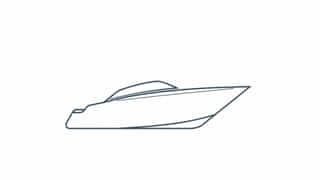
The phrase ‘loaded to the gunwale’ might sound nautical to many ears, and rightly so it hails from the maritime world. However, over time, it has evolved into a widely used idiom that can apply to various modern contexts. Whether you’re describing an overstuffed suitcase, a car packed for a road trip, or a person overwhelmed with emotions, this phrase carries the idea of being completely full or stretched to the limit. Understanding its origins and how it’s used today provides fascinating insight into how language, history, and metaphor blend together.
Origin of the Phrase ‘Loaded to the Gunwale’
The word ‘gunwale’ (pronounced ‘gunnel’) comes from naval terminology. A gunwale is the upper edge of the side of a boat or ship, originally designed to support the mounting of guns. In old sailing vessels, the gunwale was a crucial structural component where cannons were often mounted. Hence, the term itself ties directly into a ship’s capacity to hold weight and withstand battle stress.
When something is described as ‘loaded to the gunwale,’ it means that it is filled right up to the very edge so full that it cannot possibly take on any more without risking overflow, sinking, or collapse. In historical terms, this referred to cargo ships filled to maximum capacity, barely floating above water level. Over time, the phrase made its way into everyday language, metaphorically describing anything crammed or overwhelmed to its maximum.
Modern Usage and Interpretations
Today, ‘loaded to the gunwale’ is a vivid way to express a situation where something or someone is brimming. It’s often used to describe physical loads but can also apply to abstract concepts such as emotions, stress, or schedules. Here are a few contexts where the phrase commonly appears:
- Vehicles: ‘The car was loaded to the gunwale with camping gear and snacks.’
- Emotions: ‘She was loaded to the gunwale with anxiety before the exam.’
- Events: ‘The wedding banquet hall was loaded to the gunwale with guests.’
- Workloads: ‘His schedule is loaded to the gunwale with back-to-back meetings.’
Common Synonyms and Related Expressions
If you’re looking to express a similar idea, several phrases can be used interchangeably with ‘loaded to the gunwale,’ though none carry quite the same nautical charm. Some alternatives include:
- ‘Filled to the brim’
- ‘Packed to capacity’
- ‘Bursting at the seams’
- ‘Chock-full’
- ‘Overflowing’
Each of these expressions emphasizes the concept of being extremely full, whether literally or figuratively, though they may differ slightly in tone or emphasis. ‘Bursting at the seams,’ for example, might evoke a more visual image, while ‘filled to the brim’ suggests something delicately topped off.
The Appeal of Nautical Idioms
Nautical phrases like ‘loaded to the gunwale’ have a lasting impact on the English language because they bring with them vivid imagery and historical depth. English is full of such seafaring idioms ‘three sheets to the wind,’ ‘batten down the hatches,’ and ‘all hands on deck’ are just a few examples. These expressions originated at sea but found firm footing on land.
Part of what makes ‘loaded to the gunwale’ enduring is its ability to draw a strong visual while also implying limits. It suggests that there’s no room for more any further addition could lead to collapse or spillover. In that sense, it’s a practical metaphor with emotional resonance, applicable in conversations from casual to professional.
Psychological and Emotional Implications
Interestingly, when used in emotional contexts, ‘loaded to the gunwale’ can convey a powerful message about mental state. Saying someone is ‘loaded to the gunwale with stress’ indicates not just stress, but stress at a breaking point. It helps to articulate emotional overwhelm in a concise, memorable way.
In mental health discussions, phrases like this allow people to convey their feelings with greater nuance. Describing a situation as being ‘loaded to the gunwale’ might open the door for more open conversations about coping mechanisms, boundaries, and the importance of decompressing.
Examples in Popular Culture
While not as commonly quoted as some idioms, ‘loaded to the gunwale’ has appeared in books, movies, and news topics, particularly in descriptive passages that need an evocative touch. Authors may use the term to describe scenes of chaos, excess, or fullness, adding texture and mood to their narratives.
Journalists sometimes reach for the phrase when describing overcrowding in stadiums, mass evacuations, or supply-laden relief trucks, all of which benefit from the maritime reference that implies a tipping point or sense of urgency.
Why the Phrase Still Matters
In a world constantly battling overload be it information, work, or emotion phrases like ‘loaded to the gunwale’ remain incredibly relevant. They help us communicate the sensation of being at capacity in a poetic, efficient, and relatable way. Whether you’re describing a jam-packed office or a bursting suitcase, the phrase delivers clarity with character.
Moreover, idioms like this enrich everyday speech. They connect us with history, spark imagery, and make our language more engaging. The enduring popularity of such expressions reflects the human need for vivid, relatable language to articulate our experiences.
Embracing the Power of Figurative Language
‘Loaded to the gunwale’ is more than just a catchy phrase it’s a linguistic bridge between the practical world of sailors and the expressive needs of modern speakers. It reminds us that sometimes, the best way to describe today’s challenges is by borrowing from yesterday’s wisdom. As you go through life perhaps with your plate full or your car trunk overflowing remember the timeless imagery behind this saying. Whether you’re navigating stormy seas or a crowded schedule, being ‘loaded to the gunwale’ might just be the most fitting description.