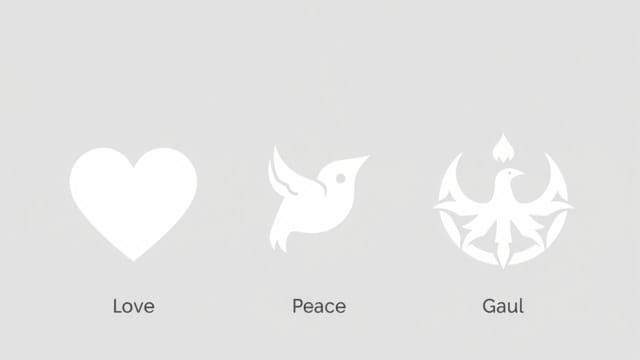
Love, Peace and Gaul may strike you first as a play on words, but it carries a deeper resonance that spans history, culture, and modern symbolism. This phrase blends the universal ideals of love and peace with a nod to ancient Gaul the region now known as France and surrounding areas creating a unique cultural tapestry. From historical contexts and philosophical reflections to modern applications in art and societal movements, the story behind Love, Peace and Gaul is rich and invites us to explore how timeless values intersect with national identity and collective memory.
The Legacy of Ancient Gaul
Historical Roots
Gaul, before it became France, was a diverse mix of Celtic tribes living under Roman rule. The region played a pivotal role in shaping European history from Julius Caesar’s conquests and the Gallic Wars to the eventual integration of Roman and Celtic cultures. The ancient Gauls valued community, bravery, and spiritual connection with nature.
Modern Symbolism
Today, referencing Gaul invokes a sense of heritage and resilience. It reminds modern citizens and enthusiasts about the region’s historical significance, cultural assimilation, and transformation. The idea of Gaul serves as a reminder of where we come from and what values continue to endure.
Love and Peace: Universal Values
Love as a Driving Force
Love transcends borders and time periods. In this context, it signifies empathy, understanding, and interpersonal connection. Within a cultural setting, love fosters unity whether among communities, nations, or generations. When we say love and Gaul, we are merging universal empathy with cultural identity.
Peace as Aspiration
Peace complements love and is essential when building sustainable communities. For the ancient Gauls, peace meant relative autonomy amidst Roman expansion. Today, it represents harmony internal and external between citizens and cultures. Peace and Gaul, thus, encourages preserving heritage without conflict.
Love, Peace and Gaul in Cultural Expression
Art and Literature
French artists, poets, and writers have long used themes of love and peace to explore identity. In recent years, some creators have embraced Love, Peace and Gaul as a motif incorporating Gaulish imagery, tribal art, and pastoral symbolism alongside contemporary peace messages. These works celebrate the link between the ancient and modern.
Music and Festivals
Festivals celebrating Celtic or French heritage often carry the dual tones of tradition and modernity. Music, dance, and rituals promote solidarity, joy, and environmental consciousness echoing love and peace. Love, Peace and Gaul aligns with festival movements that embrace sustainable living rooted in ancestral respect.
Community and Social Movements
Heritage Preservation
Groups dedicated to archaeology and historical preservation regularly use this phrase in campaigns. By emphasizing love and peace alongside Gaul, they advocate preserving ancient sites in ways that respect local communities and foster national unity.
Environmental and Spiritual Initiatives
Modern movements focused on ecology and mindfulness often draw inspiration from Celtic spirituality and nature reverence. Love, Peace and Gaul connects Gaia-like respect with historic wisdom reminding people that caring for the earth aligns with both ancient and modern values.
Applying the Motto Today
Education and Awareness
Cultural institutions have begun using this slogan in educational programs. Lessons on Gallic history are paired with discussions on empathy, collaboration, and civic responsibility demonstrating how love and peace remain timeless aspects of identity.
Branding and Identity
Some French brands adopt Love, Peace and Gaul to differentiate their products as both heritage-rooted and socially conscious. Whether in fashion, culinary arts, or tourism, it resonates with locals and international consumers looking for meaningful authenticity.
Critiques and Considerations
Simplification Risks
Some historians argue that merging ancient Gaul with modern peace and love can oversimplify complex histories. While artistic and symbolic uses are valuable, deeper academic understanding must remain intact to avoid romanticization or historical erasure.
Cultural Inclusivity
France is multicultural today, and invoking Gaul must be done carefully to include all heritages. Feminist and anti-colonial groups stress that nostalgia must balance with inclusivity, ensuring that love and peace approaches evolve alongside society’s broader cultural makeup.
Examples of Love, Peace and Gaul in Action
- Cultural Exhibitions: Museums feature thematic displays pairing Celtic art with messages of unity, interactivity, and mindfulness.
- Public Art Installations: Murals and sculptures incorporate Celtic knots, natural symbols, and love peace slogans in urban spaces.
- Workshops and Events: Community gatherings teach Gaulish history while hosting peace-building and cultural exchange activities.
Future of the Concept
Love, Peace and Gaul represents a bridge between past and present. As global interest in cultural heritage grows, this phrase will likely inspire more initiatives linking indigenous wisdom with modern challenges especially environmental and social justice issues rooted in love and coexistence. Its potential for inclusive storytelling makes it relevant across diverse communities beyond France.
Love, Peace and Gaul goes beyond clever wording it carries a vision where ancient heritage meets modern ideals. By rooting love and peace in Gaulish history, the phrase invites cultural exploration, creative expression, and meaningful action. Whether you encounter it in art, activism, or education, it serves as a reminder that our shared past can inspire unity today. Embracing its nuances and responsibilities, this motto encourages us to build a future grounded in empathy and historical awareness truly capturing the essence of what it means to value both ourselves and our collective heritage.
: