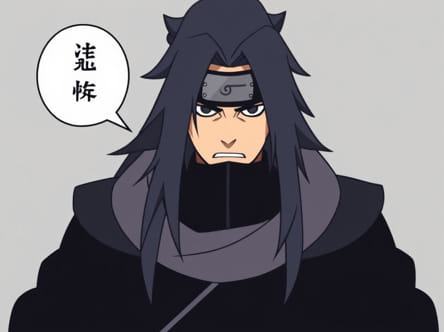
Among the most haunting and impactful moments in the Naruto anime series is Madara Uchiha’s infamous ‘Accursed World’ speech. Delivered during the Fourth Great Ninja War, this speech reveals not only Madara’s worldview, but also his disillusionment with humanity and the ninja system. It’s a defining moment that captures the essence of his ideology, shaped by betrayal, conflict, and loss. Many fans revisit this scene for its chilling tone, philosophical weight, and dramatic resonance, as it encapsulates what makes Madara such a compelling antagonist.
Madara’s Role in the Naruto Universe
Madara Uchiha is not just a powerful shinobi; he is the ideological opposite of Naruto Uzumaki. Where Naruto believes in hope, connection, and change, Madara sees the world as inherently flawed. His plan to place humanity under an eternal illusion Infinite Tsukuyomi is rooted in the belief that the world cannot be fixed through reality alone. His speech during the war is both a personal confession and a condemnation of the world’s cycle of hatred.
Background: A Lifetime of Conflict
To understand the Accursed World speech, one must consider Madara’s history. Born during the Warring States Period, Madara was raised in an environment of constant bloodshed. He lost siblings and saw countless betrayals, which led to a hardened heart. Even when he founded Konohagakure alongside Hashirama Senju, his peace was short-lived, and suspicion tore the unity apart. This cycle repeated throughout his life, reinforcing his belief that true peace could only come through force.
The Accursed World Speech: A Cry of Disillusionment
Madara’s speech is a scathing analysis of the shinobi world. He speaks not just as a villain, but as someone who tried to change things and failed. His words resonate because they reflect real pain and disappointment.
Main Themes of the Speech
- The Curse of Conflict: Madara refers to the world as ‘accursed’ because it is bound to repeat violence. Peace, in his eyes, is a fleeting illusion.
- False Hope and Betrayal: He believes that hope is a lie that leads only to suffering. Every time people trust each other, betrayal follows.
- The Infinite Tsukuyomi Solution: His plan to cast the world into a dream state is presented as an act of mercy to create a world where suffering no longer exists, even if it’s not real.
Iconic Lines from the Speech
While translations vary, the tone remains consistent: grim, commanding, and almost prophetic. Lines like Wake up to reality. Nothing ever goes as planned in this accursed world instantly became quotes repeated across fan forums and social media.
Philosophical Layers Behind Madara’s Words
Beyond the drama of the battlefield, Madara’s words touch on deeper philosophical dilemmas. His speech mirrors real-world debates about human nature, suffering, and the pursuit of peace. The following interpretations help unpack the significance of his perspective:
Is Peace Achievable?
Madara challenges the notion that true peace can exist in a world driven by self-interest and emotion. From his perspective, every peace is temporary, built on fragile foundations. His worldview suggests that only a forced harmony, like the Infinite Tsukuyomi, can break this cycle.
Reality vs. Illusion
The Accursed World speech presents a paradox: to escape suffering, Madara offers a dream. But is a dream worth more than a painful truth? This debate echoes throughout literature and philosophy from Plato’s Allegory of the Cave to modern sci-fi narratives questioning simulated reality.
Leadership Through Control
Madara believes that the masses cannot govern themselves wisely. His speech justifies a form of dictatorship under the guise of salvation. To him, freedom leads to chaos; only control leads to order. This makes his ideology both terrifying and fascinating.
Reception and Impact in the Fandom
Madara’s Accursed World speech is widely cited as one of the most memorable monologues in anime history. Fans are drawn to its power, its emotional weight, and its brutal honesty. It also sparked countless discussions and essays analyzing its meaning and how it reflects real-world themes.
Why the Speech Resonates
- Relatable Cynicism: Many viewers connect with Madara’s disillusionment, especially in times of social or political unrest.
- Ideological Conflict: The speech highlights the tension between hope and despair, idealism and realism central themes in *Naruto*.
- Memorable Delivery: Whether in Japanese or English, the voice acting and animation brought an intense weight to Madara’s words.
Quotes and Memes
Due to its dramatic nature, the Accursed World speech has become a meme template, with the famous opening line Wake up to reality used humorously and seriously. Its versatility has kept it alive in online culture, long after the original episode aired.
Madara’s Speech Compared to Other Antagonists
Madara’s monologue can be compared to other famous villain speeches in anime and beyond. It shares qualities with:
- Pain (Nagato): Who also believed in achieving peace through force.
- Light Yagami (Death Note): Who thought control and fear would reshape the world for the better.
- Thanos (Marvel): Who sought salvation through extreme sacrifice.
These characters all share a belief that suffering can only be erased through radical action and their speeches reflect the burden of such ideals.
The Tragedy of Madara Uchiha
What makes Madara’s speech even more powerful is its tragic nature. He is not merely a villain driven by evil, but by despair. His loss of faith in humanity doesn’t come from malice, but from experience. He once dreamed of peace, only to see it destroyed repeatedly. His Accursed World speech is the voice of a man who has given up on redemption not just for himself, but for everyone.
Madara Uchiha’s Accursed World speech stands as a monumental moment in *Naruto*’s storytelling. It combines emotional weight, philosophical depth, and villainous charisma to deliver a monologue that stays with viewers. Whether you see him as a visionary or a tyrant, his words force audiences to reflect on the nature of pain, peace, and the cost of dreams. In the end, the speech serves as both a warning and a mirror reminding us that even the most dangerous ideas often begin with disappointment and the desire to heal a broken world.